Why Your Hot Water Runs Out Too Fast: Hamilton Homeowner's Guide
There's nothing quite as jarring as a hot shower suddenly turning cold. One minute you're enjoying the soothing warmth, the next you're shivering, wondering where all the hot water went. If this sounds like a familiar frustration in your Hamilton, Ancaster, or Burlington home, you're not alone. Running out of hot water too quickly is a common plumbing woe that can disrupt your daily routine, especially during the busy summer months when families are home more often and demand for hot water might be higher than usual. But don't despair – understanding the root causes is the first step to enjoying consistent, comfortable warm water once again.
At Water Heaters R Us, we understand the importance of a reliable hot water supply. As your trusted local experts for water heaters and water softeners in Hamilton and the surrounding areas, we're here to help you diagnose and solve your hot water dilemmas. Let's dive into the most common reasons your hot water might be running out too fast and what you can do about it.
Top Reasons Your Hot Water Supply is Dwindling
1. Your Water Heater Tank is Too Small for Your Household
This is perhaps the most straightforward reason. If your family has grown, or your hot water usage habits have changed significantly, your existing water heater tank might simply be undersized for your current demand. A 40-gallon tank might have been fine for two people, but with a family of four or five, especially with teenagers taking longer showers, it will quickly be depleted. This issue often becomes more apparent during the summer when kids are home from school, leading to more showers, baths, and laundry cycles throughout the day.
- The Fix: Evaluate your family's hot water needs. If you consistently run out, it might be time to consider upgrading to a larger tank or exploring a tankless water heater, which provides hot water on demand.
2. Sediment Buildup in Your Tank
Hard water is a common issue for many homeowners across Ontario, including those in Hamilton, Stoney Creek, Grimsby, and Oakville. Over time, the minerals (calcium and magnesium) in hard water can settle at the bottom of your water heater tank, forming a layer of sediment. This sediment takes up valuable space, reducing the effective capacity of your tank. More critically, it creates an insulating barrier between the heating element (or burner) and the water, making your water heater work harder and less efficiently to heat the water. This means your hot water will deplete faster and cost more to produce.
- The Fix: Regular tank flushing is crucial. We recommend flushing your water heater once a year to remove sediment. For a long-term solution to hard water and sediment, consider installing a water softener. A water softener not only protects your water heater but also extends the life of other appliances and improves the quality of water throughout your home.
3. Failing Heating Elements (Electric Water Heaters)
Electric water heaters typically have two heating elements: an upper and a lower. If one of these elements fails, your water heater will struggle to heat the entire tank efficiently. If the lower element fails, for instance, only the top portion of the tank will heat, giving you a very limited supply of hot water before it runs cold. If the upper element fails, the lower element may still work, but it will take much longer to heat the water, and the hot water will be less consistent.
- The Fix: This requires a professional diagnosis and replacement of the faulty heating element. Attempting this yourself without proper electrical knowledge can be dangerous.
4. Pilot Light or Burner Issues (Gas Water Heaters)
For gas water heaters, issues with the pilot light or the main burner can lead to insufficient hot water. A pilot light that frequently goes out, or a burner that isn't igniting properly, means your water heater isn't heating water effectively or consistently. A dirty or clogged burner can also lead to inefficient heating, similar to sediment buildup in electric tanks.
- The Fix: Check if your pilot light is lit. If it's out, you can try to relight it according to your water heater's instructions. However, if it repeatedly goes out or if you suspect burner issues, it's best to call a qualified technician to inspect and repair the gas components safely.
5. Malfunctioning Thermostat
Your water heater's thermostat controls the temperature of the water inside the tank. If the thermostat is set too low, or if it's faulty and not accurately reading the water temperature, your tank might not be heating the water to its optimal level. This means you're effectively getting lukewarm water that feels like it runs out faster because it's not as hot as it should be.
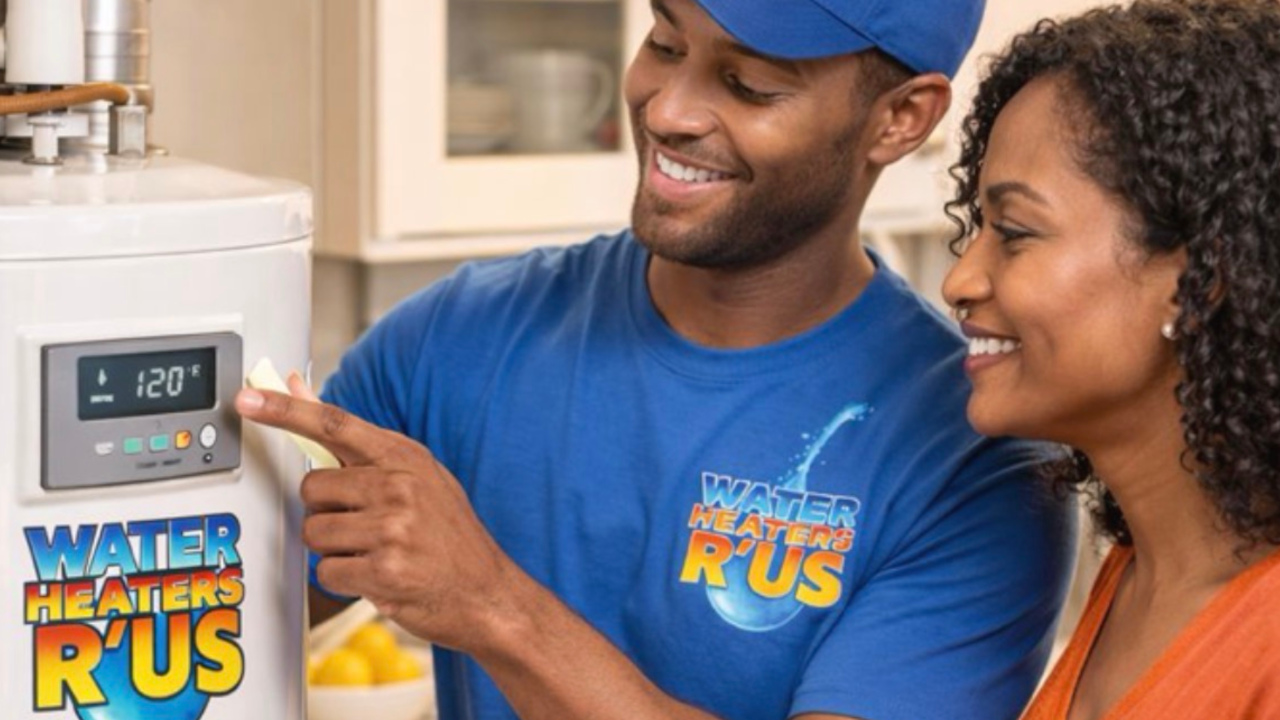
- The Fix: Carefully check your thermostat setting. The recommended temperature for most homes is around 120°F (49°C) to balance safety (to prevent scalding) and efficiency. If adjusting the setting doesn't help, a faulty thermostat might need to be replaced by a professional.
6. Damaged Dip Tube
The dip tube is a crucial component inside your water heater that directs incoming cold water to the bottom of the tank, ensuring it gets heated before rising to the top to be distributed. If the dip tube is cracked, broken, or dislodged, cold water will mix with the hot water at the top of the tank, effectively diluting your hot water supply and making it seem like you're running out much faster.
- The Fix: This issue requires opening the water heater and replacing the dip tube, a task best left to experienced plumbing professionals.
7. Leaking Tank
While less common as a "runs out too fast" issue and more of an "Oh no, there's a flood!" problem, a slow leak in your tank could be contributing to rapid hot water depletion. If hot water is constantly seeping out, your tank will struggle to keep up with demand.
- The Fix: Inspect your water heater and the area around it for any signs of leaks or moisture. Even small puddles warrant immediate attention. A leaking tank often signals the need for a full replacement.
8. Aging Water Heater
Like all appliances, water heaters have a lifespan, typically 8-12 years. As they age, they become less efficient, accumulate more sediment, and are more prone to component failures. An old water heater might simply not be able to keep up with your household's demands, especially during peak usage times in the summer when everyone needs a refreshing shower.
- The Fix: If your water heater is nearing or past its expected lifespan and you're consistently experiencing hot water issues, it might be more cost-effective in the long run to invest in a new, energy-efficient model. Modern water heaters, including tankless options, offer superior performance and efficiency.
Practical Tips & Actionable Advice
- Adjust Your Habits: Stagger showers, run dishwashers and washing machines during off-peak hot water usage hours.
- Lower Thermostat (Carefully): If your water is too hot, setting it slightly lower can conserve energy, but don't go below 120°F (49°C) for health reasons.
- Insulate Your Tank & Pipes: For older tanks, adding an insulation blanket can reduce heat loss. Insulating the first six feet of hot water pipes can also help.
- Consider Low-Flow Fixtures: Low-flow showerheads and faucet aerators can significantly reduce hot water consumption without sacrificing comfort.
- Regular Maintenance: Annual professional maintenance can catch small issues before they become big problems, ensuring your water heater runs efficiently.
When to Call the Professionals at Water Heaters R Us
While some issues like adjusting the thermostat or staggering usage can be handled by homeowners, many of the underlying causes of hot water depletion require expert attention. Dealing with gas lines, electrical components, or heavy plumbing repairs should always be left to certified professionals to ensure safety and proper functionality.
If you're experiencing any of the following, it's time to call Water Heaters R Us:
- Your water heater is leaking.
- You hear strange noises (rumbling, popping) from your tank.
- You suspect a faulty heating element, burner, or dip tube.
- Your water heater is old and consistently underperforming.
- You're considering a larger tank or switching to a tankless water heater.
- You want to explore the benefits of a water softener to combat hard water issues.
Our team of experienced technicians proudly serves homeowners throughout Hamilton, Ancaster, Dundas, Stoney Creek, Burlington, Grimsby, Waterdown, Binbrook, Oakville, Milton, Brantford, and Caledonia. We're well-versed in the specific water quality challenges of the region and can provide tailored solutions, whether it's a simple repair, a full replacement, or the installation of a new water softener system to protect your investment.
Don't Let Cold Showers Ruin Your Day
Running out of hot water doesn't have to be a daily ordeal. By understanding the common culprits and knowing when to seek professional help, you can restore consistent, comfortable hot water to your home. Whether it's sediment buildup, an aging unit, or simply a tank that's too small, the experts at Water Heaters R Us are here to help you find the right solution.
Ready to enjoy endless hot showers and reliable hot water throughout your home, all summer long and beyond? Don't hesitate to reach out to the trusted professionals at Water Heaters R Us. We'll ensure your water heater is running efficiently and effectively, giving you peace of mind.
Contact Us Today!
Call us at 905-679-9420 or visit our website at waterheatersrus.ca to schedule a service appointment or get expert advice. Let us help you put an end to those frustrating cold showers!
Need a Water Heater?
Same-day installation, professional service, and flexible rent-to-own options across Hamilton and surrounding areas.
Call 905-679-9420