Unlock Savings: Your Guide to Water Heater Energy Efficiency Ratings
As an Ontario homeowner, you're always looking for ways to make your home more comfortable, efficient, and cost-effective. With summer in full swing, you might be thinking about AC costs, but what about your water heater? It’s a major energy consumer, often silently working away in your basement or utility room, accounting for a significant portion of your home's energy use.
Understanding water heater energy efficiency ratings isn't just about saving money (though that's a huge benefit!); it's about making an informed decision that impacts your household's comfort and your carbon footprint. Here at Water Heaters R Us, serving Hamilton, Ancaster, Dundas, Stoney Creek, and beyond, we believe in empowering our neighbours with the knowledge to make smart choices. Let’s demystify these ratings and help you find the perfect energy-efficient solution for your home.
Why Water Heater Energy Efficiency Matters to You
Before we dive into the technicalities, let’s talk about why this topic is so crucial for homeowners in Hamilton and the wider Golden Horseshoe area:
- Significant Cost Savings: Heating water is typically the second-largest energy expense in a home, right after heating and cooling. A more efficient water heater can dramatically reduce your monthly utility bills, putting more money back in your pocket.
- Environmental Impact: Reducing energy consumption means a smaller carbon footprint. Choosing an energy-efficient model is a step towards a greener lifestyle, aligning with Ontario's commitment to sustainability.
- Consistent Comfort: Modern, energy-efficient water heaters often offer superior performance, ensuring you have a reliable supply of hot water for showers, dishes, and laundry, even during peak demand.
- Increased Home Value: Energy-efficient appliances are a selling point for potential buyers, making your home more attractive if you ever decide to move within areas like Burlington, Oakville, or Milton.
Decoding Water Heater Energy Efficiency Ratings
When you're shopping for a new water heater, you'll encounter a few key terms and labels. Knowing what they mean is essential:
The Uniform Energy Factor (UEF)
The UEF is the current industry standard for measuring a water heater's overall energy efficiency. It replaced the older Energy Factor (EF) rating in 2017 to provide a more accurate and comprehensive comparison across different types and sizes of water heaters (tank-style, tankless, heat pump, etc.).
- What it means: UEF measures how efficiently a water heater converts the energy it consumes into hot water over a 24-hour period. It takes into account recovery efficiency, standby losses, and cycling losses.
- How to read it: The UEF is a decimal number, typically ranging from 0.65 to 0.95 for traditional tank models, and often above 0.90, even reaching over 3.0 for advanced heat pump or tankless models. Higher UEF values indicate greater efficiency.
- Why it matters: A higher UEF means less energy waste, translating directly to lower operating costs for your home in Grimsby or Brantford.
The Energy Factor (EF) – The Legacy Rating
While UEF is the current standard, you might still hear about or see EF ratings, especially for older models or in discussions about past technologies.
- What it was: EF was a measure of a water heater’s overall efficiency based on how much hot water it could deliver per unit of fuel consumed. It was a single metric that combined recovery efficiency (how efficiently the burner heats the water), standby losses (heat lost while the water sits in the tank), and cycling losses.
- Limitations: EF had some limitations in comparing different technologies and capacities accurately, which led to the development of UEF.
The EnergyGuide Label
You've likely seen these bright yellow labels on appliances. The EnergyGuide label is your quick reference for a water heater's estimated annual energy consumption and operating cost.
- What it shows: It displays the model's UEF rating, estimated annual energy cost (based on national average electricity rates), and often a range comparing its efficiency to similar models.
- Why it's helpful: It provides a clear, standardized way to compare models side-by-side and understand potential long-term expenses.
First-Hour Rating (FHR)
This rating is specific to tank-style water heaters.
- What it means: FHR indicates how many gallons of hot water a storage tank water heater can deliver in the first hour of use, starting with a full tank of hot water.
- Why it matters: It helps you size a tank water heater appropriately for your household's peak hot water demand. If you have a large family in Binbrook, you'll need a higher FHR to avoid running out of hot water during morning showers.
Gallons Per Minute (GPM)
This rating is crucial for tankless water heaters.
- What it means: GPM measures the continuous flow rate of hot water a tankless unit can provide.
- Why it matters: It helps you determine if a tankless unit can meet your household's simultaneous hot water demands. For example, if you often run the dishwasher while someone is showering, you'll need a higher GPM rating.
Energy-Efficient Water Heater Options for Your Home
Now that you understand the ratings, let's explore the types of water heaters that excel in efficiency:
1. Tankless (On-Demand) Water Heaters
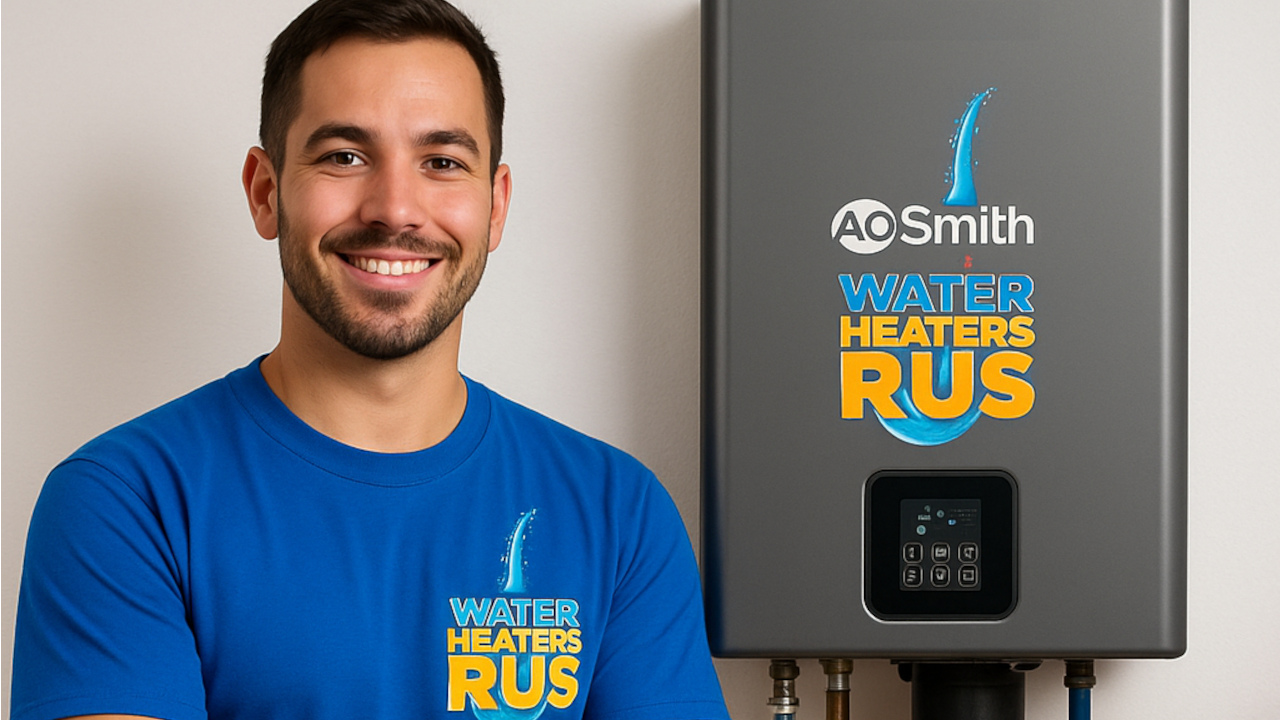
These units heat water only when you need it, eliminating standby heat loss associated with traditional tanks. They are highly efficient, with UEF ratings often above 0.90.
- Pros: Endless hot water, significant energy savings, compact size, longer lifespan.
- Cons: Higher initial cost, requires proper sizing and often gas line upgrades.
2. Heat Pump (Hybrid) Water Heaters
These electric water heaters use electricity to move heat from the surrounding air to the water in the tank, rather than generating heat directly. They are incredibly efficient, with UEF ratings often above 2.0.
- Pros: Up to 3x more efficient than conventional electric tank heaters, substantial energy savings.
- Cons: Require adequate clearance and a suitable temperature range in their installation space (e.g., a basement in Caledonia rather than a cold garage), higher initial cost.
3. Condensing Tank Water Heaters
These are more efficient versions of traditional gas tank water heaters. They capture heat from exhaust gases that would otherwise be wasted, using it to preheat incoming cold water.
- Pros: More efficient than standard gas tanks, lower operating costs.
- Cons: Higher initial cost than standard tanks, requires a specialized venting system.
Maximizing Your Water Heater's Efficiency (Even in Summer!)
Even with an efficient unit, a few practices can further boost savings:
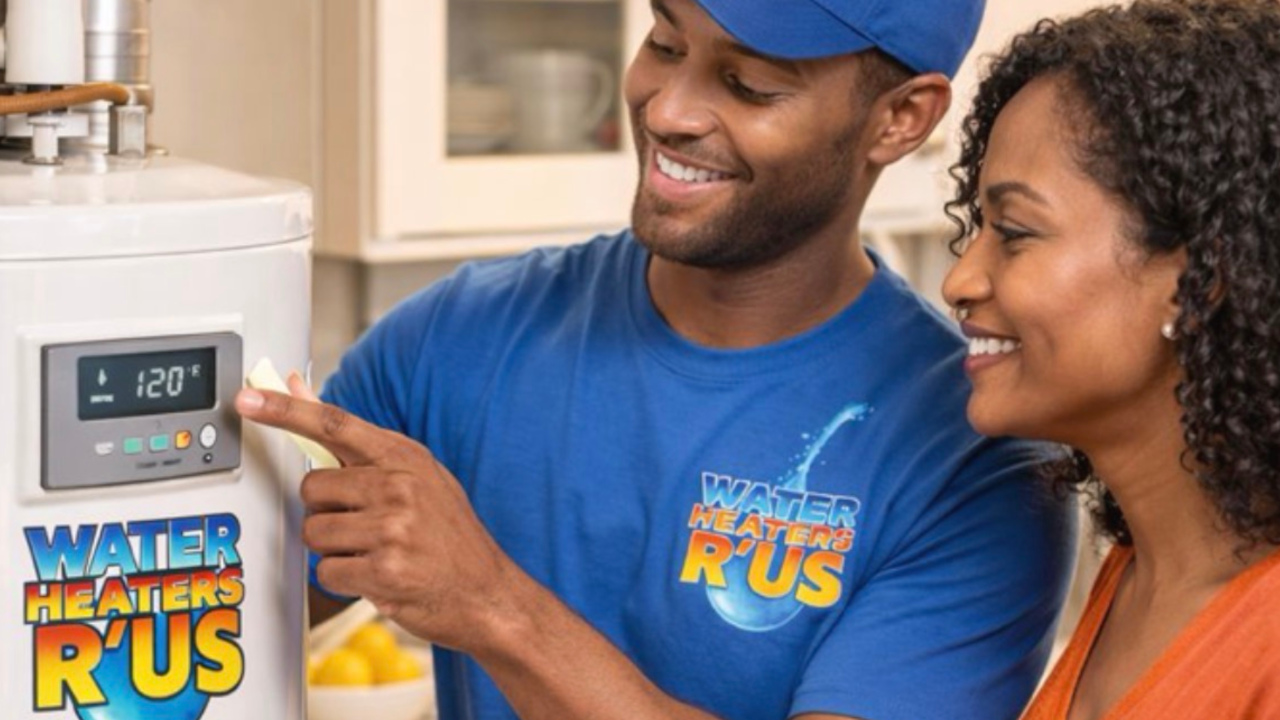
- Lower the Thermostat: Most water heaters are set to 140°F (60°C). Lowering it to 120°F (49°C) can save energy and reduce the risk of scalding, without a noticeable difference for most households.
- Insulate Your Tank and Pipes: If you have an older tank-style water heater, insulating the tank and the first six feet of hot and cold water pipes can reduce heat loss.
- Address Hard Water: Hard water, prevalent in many parts of Ontario, leads to mineral buildup (scale) inside your water heater, reducing its efficiency and lifespan. A water softener can prevent this buildup, ensuring your water heater operates at peak performance. Water Heaters R Us offers expert advice and installation for water softeners throughout our service area, from Waterdown to Oakville.
- Regular Maintenance: Flush your tank annually to remove sediment. For tankless units, periodic descaling is crucial. Proper maintenance ensures your unit runs efficiently and extends its life. This is especially important during the summer when you might use less hot water, allowing sediment to settle.
- Consider a Vacation Mode: If your unit has one, use it when you're away on summer holidays. Otherwise, turn the temperature down to its lowest setting.
- Fix Leaks Promptly: Even a small hot water leak can waste a surprising amount of energy and water.
Choosing the Right Energy-Efficient Water Heater for Your Home
Selecting the best energy-efficient water heater involves more than just looking at the UEF rating. You need to consider your household's hot water needs, fuel type (natural gas, propane, electricity), budget, and installation requirements.
That's where the experienced professionals at Water Heaters R Us come in. We serve homeowners across Hamilton, Ancaster, Dundas, Stoney Creek, Burlington, Grimsby, Waterdown, Binbrook, Oakville, Milton, Brantford, and Caledonia, offering expert guidance. We’ll assess your specific situation, explain the best options, and ensure a seamless, professional installation.
Don't let confusing ratings hold you back from enjoying a more efficient, comfortable, and cost-effective home. Understanding water heater energy efficiency ratings is the first step towards significant savings.
Ready to Explore Your Energy-Efficient Options?
Whether you're looking to replace an aging unit, upgrade to a tankless system, or simply ensure your current water heater is running optimally, Water Heaters R Us is here to help. Contact us today for expert advice, reliable service, and professional installation.
Call us at 905-679-9420 or visit waterheatersrus.ca to schedule a consultation.
Need a Water Heater?
Same-day installation, professional service, and flexible rent-to-own options across Hamilton and surrounding areas.
Call 905-679-9420