When to Drain Your Water Heater & Why It Matters
As the vibrant colours of autumn sweep across Hamilton and the surrounding areas, our thoughts naturally turn to cozy evenings, warm drinks, and preparing our homes for the colder months ahead. While you might be checking your furnace filters or sealing drafty windows, there's another crucial appliance that deserves your attention: your water heater. It's the unsung hero providing the comfort of hot showers, clean dishes, and warm laundry day in and day out.
However, this diligent work comes at a cost if not properly maintained. Over time, sediment can accumulate inside your water heater tank, silently sabotaging its efficiency and shortening its life. That's why understanding when and why to drain your water heater is not just good practice, but essential for any homeowner in Ontario. At Water Heaters R Us, we believe in empowering our neighbours in Hamilton, Ancaster, Dundas, Stoney Creek, Burlington, and beyond with the knowledge to keep their homes running smoothly and efficiently.
What Does It Mean to "Drain" or "Flush" a Water Heater?
When we talk about draining or flushing a water heater, we're referring to the process of emptying the water from the tank and allowing fresh water to flow through it to remove any accumulated sediment. Think of it like a spring cleaning for your water heater – a vital task that often gets overlooked.
The Silent Enemy: Sediment Buildup
The water entering your home, even if it appears crystal clear, contains dissolved minerals like calcium and magnesium. This is especially true in areas with hard water, which is common throughout much of Ontario. When water is heated, these minerals separate and settle at the bottom of your water heater tank, forming a layer of sediment. While a water softener can significantly mitigate this issue for your entire home, including your water heater, sediment can still build up over time, particularly if you don't have a softener or if your softener isn't properly maintained.
Why Draining Your Water Heater Matters (A Lot!)
Ignoring sediment buildup can lead to a host of problems, impacting your comfort, your wallet, and your water heater's longevity. Here’s why flushing is so important:
1. Boost Energy Efficiency & Save Money
- Heating Sediment, Not Water: A layer of sediment at the bottom of your tank acts as an insulator, creating a barrier between the heating element (electric) or burner (gas) and the water. This forces your water heater to work harder and longer to heat the water, consuming more energy and driving up your utility bills.
- Faster Heating: With a clean tank, heat transfers more efficiently to the water, meaning you get hot water faster and your unit doesn't have to run as long.
2. Extend Your Water Heater's Lifespan
- Preventing Corrosion: Sediment can corrode the bottom of the tank, leading to leaks and premature failure. Regular flushing helps remove these corrosive materials.
- Reducing Stress on Components: When a water heater works harder, its components, like heating elements and burners, experience more wear and tear. Flushing reduces this strain, prolonging the life of these expensive parts and the unit as a whole.
3. Eliminate Noisy Operation
- Rumbling & Popping Sounds: If you've ever heard strange rumbling, popping, or banging noises coming from your water heater, sediment is often the culprit. As the heating element or burner heats the water, trapped pockets of water under the sediment can boil and explode, creating these unsettling sounds. Draining the tank can restore peace and quiet.
4. Maintain Hot Water Consistency
- Inconsistent Temperatures: Sediment can interfere with the proper functioning of temperature sensors, leading to erratic hot water temperatures or even insufficient hot water for your needs.
5. Improve Water Quality (Potentially)
- While less common in properly maintained hot water systems, extreme sediment buildup can sometimes harbour bacteria or release unpleasant odours, though this is more often associated with anode rod issues. A clean tank contributes to overall better water quality.
When to Drain Your Water Heater: The Ideal Schedule
The general recommendation for draining your water heater is once a year. However, several factors can influence this frequency:
- Water Hardness: If you live in an area with very hard water (common in many parts of Ontario, including Hamilton, Burlington, and Oakville), or if you don't have a water softener, you might benefit from flushing every six months.
- Age of Your Unit: Older units tend to accumulate sediment faster.
- Usage: Homes with higher hot water demand might see faster sediment buildup.
Fall: The Perfect Season for Water Heater Maintenance
As we transition from the demands of summer to the heavy usage of winter, fall presents an ideal window for water heater maintenance. Flushing your tank now ensures it's operating at peak efficiency before the colder temperatures hit and your family relies more heavily on hot water for heating, washing, and bathing. It's a proactive step that can prevent breakdowns and ensure consistent comfort when you need it most.
DIY or Call a Professional?
Many homeowners feel comfortable performing a simple water heater flush themselves. If you're handy and follow safety guidelines, it can be a straightforward process. However, if you're unsure, have a gas water heater (which involves working with gas lines), or if your unit is older and hasn't been flushed in years (which can sometimes dislodge large chunks of sediment and clog drain valves), it's always best to call a professional.
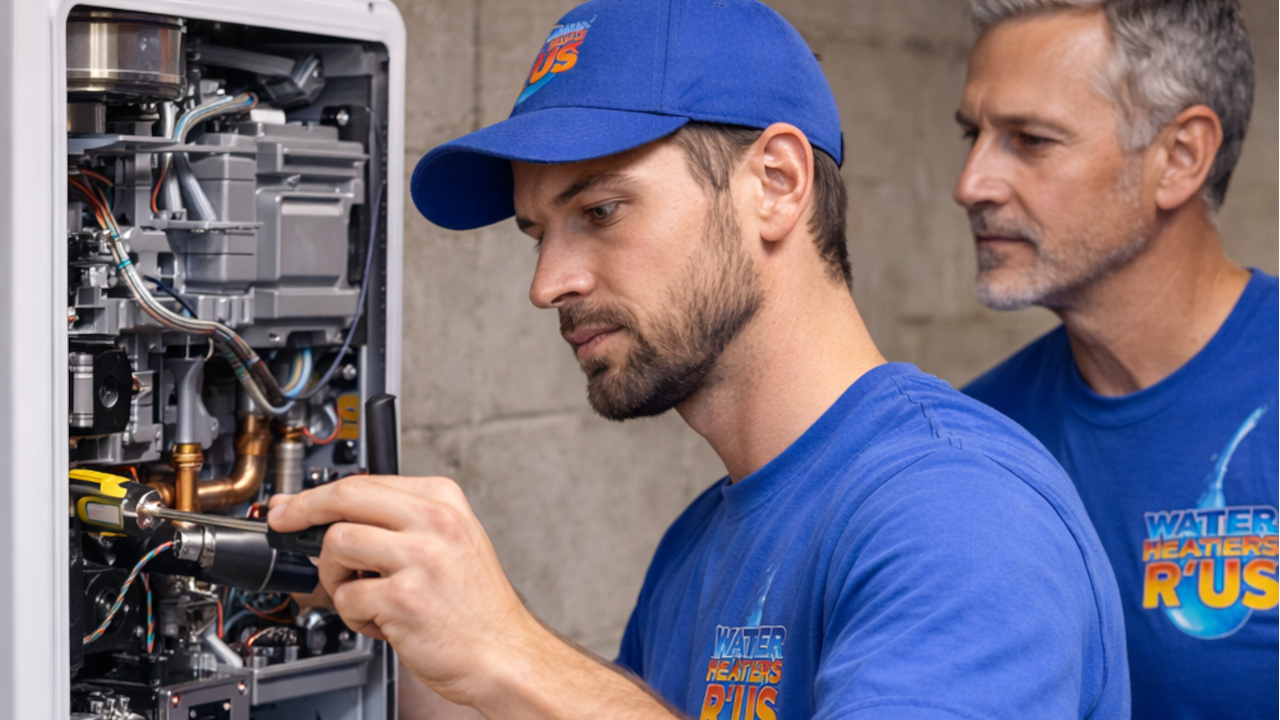
Our certified technicians at Water Heaters R Us are experts in all types of water heaters and can perform a thorough flush and inspection, giving you peace of mind. We serve homeowners across our extensive service area, including Grimsby, Waterdown, Binbrook, Milton, Brantford, and Caledonia.
How to Flush Your Water Heater Tank (A Basic Guide)
For those comfortable tackling the task, here's a simplified overview:
Turn Off Power/Gas & Cold Water
For electric heaters, turn off the breaker. For gas, turn the gas valve to the "pilot" setting or off. Turn off the cold water supply valve to the water heater.
Connect Hose
Attach a garden hose to the drain valve located at the bottom of the water heater. Route the other end of the hose to a floor drain or outside area where hot, possibly dirty, water can safely drain.
Open Drain Valve
Open a hot water faucet somewhere in your house (e.g., a bathtub) to prevent a vacuum and help the water drain faster. Then, open the drain valve on the water heater itself.
Flush Until Clear
Allow the tank to drain completely. Once it's mostly empty, open the cold water supply valve to the water heater for short bursts, allowing fresh water to agitate and flush out remaining sediment. Continue until the water coming out of the hose runs clear.
Close Valve & Refill
Close the drain valve on the water heater and remove the hose. Close the hot water faucet you opened earlier. Open the cold water supply valve to the water heater and allow the tank to refill completely. You'll hear the water running. Once water flows freely from the previously opened hot water faucet, the tank is full.
Restore Power/Gas
Once the tank is full, and ONLY then, restore power to your electric water heater or turn the gas valve back to "on" for a gas unit.
Beyond Draining: Comprehensive Water Heater Care
While flushing is critical, it's just one part of a comprehensive maintenance plan. Consider these other vital tasks:
- Anode Rod Inspection/Replacement: The anode rod sacrifices itself to protect your tank from corrosion. It should be inspected every 3-5 years and replaced as needed.
- T&P Valve Testing: The temperature and pressure relief (T&P) valve is a crucial safety device that prevents your tank from over-pressurizing. It should be tested annually.
- Insulation: Insulating your hot water tank and pipes can further reduce heat loss and improve efficiency.
- Water Softener Maintenance: If you have a water softener, ensure it's functioning correctly. It plays a significant role in preventing sediment buildup in your water heater and prolonging the life of all your water-using appliances.
Trust the Experts at Water Heaters R Us
Whether you're looking for routine maintenance, a repair, or considering an upgrade to a more energy-efficient tankless water heater, Water Heaters R Us is your trusted partner in Hamilton and the greater Golden Horseshoe region. We're committed to providing reliable service, expert advice, and transparent pricing to ensure your home's hot water needs are always met.
Don't Wait for Trouble – Act Now!
This fall, take a proactive step to protect your home's comfort and your investment. Draining your water heater is a small effort that yields significant benefits in efficiency, longevity, and reliable hot water. Don't let sediment quietly diminish your hot water system's performance.
For expert water heater maintenance, repair, or replacement in Hamilton, Ancaster, Dundas, Stoney Creek, Burlington, Grimsby, Waterdown, Binbrook, Oakville, Milton, Brantford, or Caledonia, trust the local professionals. Contact Water Heaters R Us today!
Call us at 905-679-9420 or visit us online at waterheatersrus.ca to schedule your service. We're here to keep your hot water flowing!
Need a Water Heater?
Same-day installation, professional service, and flexible rent-to-own options across Hamilton and surrounding areas.
Call 905-679-9420