When to Drain Your Water Heater & Why It Matters for Your Hamilton Home
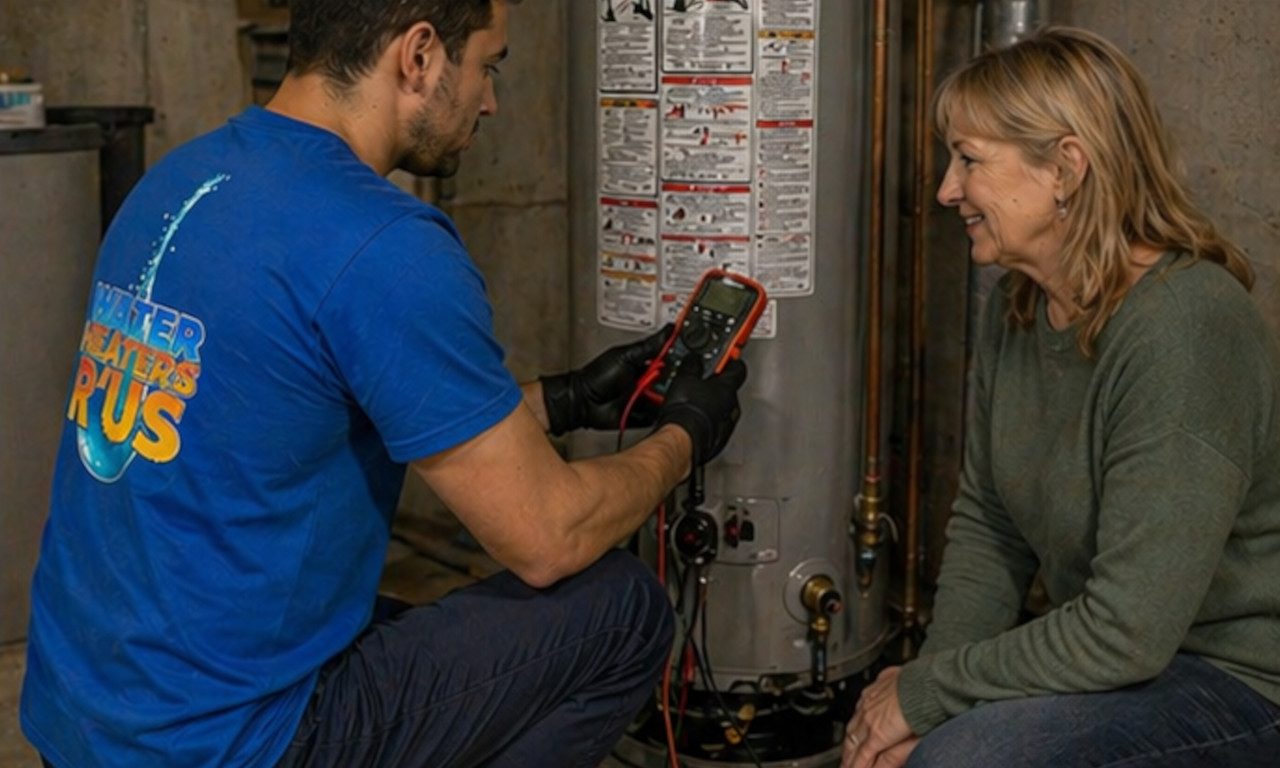
Imagine stepping into a refreshing, hot shower after a long day, only for the warmth to disappear halfway through. Or perhaps you've noticed strange rumbling noises coming from your basement. These aren't just minor annoyances; they're often tell-tale signs that your water heater, a silent workhorse in your Hamilton home, needs some attention.
At Water Heaters R Us, we know that reliable hot water is more than a luxury – it's a necessity. That's why we're here to talk about a simple yet vital maintenance task: draining and flushing your water heater. It's a key step to ensure efficiency, extend its lifespan, and keep those hot showers flowing, especially as we head deeper into the cooler Ontario months.
Why Draining Your Water Heater Is So Important for Hamilton Homeowners
The primary reason to drain your water heater is to remove sediment buildup. But what exactly is this sediment, and why is it such a problem?
The Silent Enemy: Sediment Buildup
Ontario's water, particularly in areas like Hamilton, Burlington, and Oakville, often contains a significant amount of dissolved minerals – primarily calcium and magnesium. This is what we refer to as 'hard water.' While generally safe to drink, these minerals don't just disappear. Over time, they precipitate out of the water, especially when heated, and settle at the bottom of your water heater tank. This accumulation is known as sediment.
The Damaging Effects of Sediment on Your Water Heater:
- Reduced Efficiency & Higher Energy Bills: Sediment acts as an insulator, creating a barrier between the heating element (or burner) and the water. This forces your water heater to work much harder and longer to heat the water, consuming more energy and driving up your utility bills. It's like trying to heat a pot of water with a layer of sand at the bottom!
- Decreased Hot Water Supply: The space occupied by sediment means there's less room for hot water. Your tank effectively shrinks, leading to quicker depletion of your hot water supply.
- Strange Noises: As sediment heats up, it can create air pockets and cause popping, crackling, or rumbling sounds. These noises are not just annoying; they indicate that your water heater is struggling.
- Premature Wear & Tear: Constant overheating due to sediment can stress the tank's lining, heating elements, and other components, leading to faster corrosion and an increased risk of leaks or complete system failure. This significantly shortens the lifespan of your water heater, potentially costing you thousands in early replacement.
- Compromised Water Quality: In some cases, excessive sediment can even lead to cloudy or discolored hot water, or a metallic taste.
The Role of Water Softeners
If you have a water softener installed in your home in Ancaster, Dundas, or Stoney Creek, you're already doing a great job at mitigating hard water issues. A water softener removes these mineral ions before they enter your plumbing system, drastically reducing sediment buildup in your water heater. However, even with a softener, some microscopic particles or residual minerals can still settle over time. Therefore, flushing remains a beneficial, albeit less frequent, maintenance task even for homes with water softeners.
When to Drain Your Water Heater: Timing is Everything
So, how often should you perform this crucial maintenance?
General Recommendations:
- Annually: For most households, a yearly flush is sufficient to prevent significant sediment buildup and maintain efficiency.
- Every 6 Months (or more): If you live in an area with particularly hard water (and don't have a water softener), or if your water heater is older, consider flushing every six months.
Seasonal Relevance: Fall Maintenance
The fall season, with its crisp air and preparation for winter, is an excellent time to add water heater flushing to your home maintenance checklist. As temperatures drop across Grimsby, Waterdown, and Binbrook, your water heater will be working harder to provide warm comfort. Ensuring it's free of sediment now can significantly improve its efficiency and reliability during the peak demand of winter.
Signs It's Time to Flush:
- Reduced Hot Water: If your hot showers are getting shorter.
- Strange Noises: Popping, crackling, or rumbling sounds coming from the tank.
- Higher Energy Bills: An unexplained increase in your utility costs.
- Discolored Hot Water: If your hot water appears rusty or cloudy.
How to Drain and Flush Your Water Heater Tank Safely
While this is a task many homeowners can tackle, safety is paramount. If you're ever unsure, it's always best to call a professional from Water Heaters R Us to handle it for you. For those comfortable with DIY, here's a general guide:
Estimated Time: 30-45 minutes
Step-by-Step Guide:
- Gather Your Tools: You'll need a garden hose (long enough to reach a drain or outdoor area), a bucket, and a flathead screwdriver or utility knife (to open the drain valve).
- Turn Off Power/Gas: For electric water heaters, switch off the breaker at your electrical panel. For gas water heaters, turn the gas control valve to the 'OFF' position. This prevents the heating elements from burning out if the tank empties.
- Turn Off Cold Water Supply: Locate the cold water inlet valve at the top of your water heater and turn it off. This stops new water from entering the tank.
- Open a Hot Water Faucet: Turn on a hot water faucet (e.g., in a nearby sink or bathtub) in your home. This helps relieve pressure in the tank and prevents a vacuum as the water drains.
- Connect Garden Hose: Attach your garden hose to the drain valve located near the bottom of your water heater. Direct the other end of the hose to a floor drain, utility sink, or outside away from your foundation.
- Open the Drain Valve: Carefully open the drain valve on the water heater. Be cautious; the water will be hot. Allow the tank to drain completely.
- Flush Out Sediment: Once the tank is empty, turn the cold water supply valve back on for a few minutes while the drain valve is still open. This will stir up and flush out any remaining sediment. You'll likely see cloudy or discolored water at first, which should eventually run clear.
- Close Valves & Refill: Once the water runs clear, close the drain valve on the water heater and remove the garden hose. Turn off the hot water faucet you opened earlier.
- Refill the Tank: Slowly open the cold water supply valve to refill the tank. As it fills, listen for the sound of water entering. Once the tank is full, turn on a hot water faucet to bleed any air from the lines until water flows smoothly.
- Restore Power/Gas: Once the tank is completely full and air is bled, restore power to your electric water heater or turn the gas control valve back to the 'ON' position for gas models. Your water heater will now begin reheating the fresh water.
Beyond Draining: Comprehensive Water Heater Care
While flushing is critical, it's just one part of comprehensive water heater maintenance. Other essential tasks include testing the temperature and pressure relief (T&P) valve, inspecting the anode rod (the 'sacrificial' rod that attracts corrosive elements), and checking for leaks. These tasks can be more complex and are often best left to experienced professionals.
Regular maintenance not only keeps your water heater running efficiently but also helps identify minor issues before they become major, expensive repairs. Whether you're in Brantford, Caledonia, or anywhere in our wide service area including Oakville and Milton, a well-maintained water heater ensures comfort and peace of mind.
Don't Wait Until It's Too Late!
Ignoring water heater maintenance is like driving your car without oil changes – eventually, it will break down, often at the worst possible time. By making regular flushing a part of your home maintenance routine, you'll extend the life of your appliance, save on energy bills, and avoid the inconvenience of cold showers.
If you're unsure about draining your water heater, suspect a problem, or simply prefer to leave the dirty work to the experts, Water Heaters R Us is here to help. Our certified technicians serve homeowners across Hamilton, Ancaster, Dundas, Stoney Creek, Burlington, Grimsby, Waterdown, Binbrook, Oakville, Milton, Brantford, and Caledonia. We offer professional water heater maintenance, repair, and installation services, ensuring your home always has reliable hot water.
Ready to ensure your water heater is ready for winter? Don't hesitate to reach out to the trusted professionals at Water Heaters R Us!
Call us today at 905-679-9420 or visit us online at waterheatersrus.ca to schedule your service.
Need a Water Heater?
Same-day installation, professional service, and flexible rent-to-own options across Hamilton and surrounding areas.
Call 905-679-9420