Pilot Light Keeps Going Out? Causes & Fixes for Hamilton Homes
As the crisp autumn air settles over Hamilton, Ancaster, and Stoney Creek, a reliable hot water supply becomes more than just a convenience – it's a necessity. Imagine stepping into what you expect to be a warm, comforting shower, only to be met with an icy blast. Often, the culprit behind this discomfort is a pilot light that just won't stay lit.
At Water Heaters R Us, we understand the frustration and inconvenience this issue can cause for homeowners across our service areas, from Burlington to Brantford. A malfunctioning pilot light isn't just annoying; it can be a sign of underlying problems with your water heater. Let's dive into why your pilot light might be going out and what you can do about it.
Understanding Your Water Heater's Pilot Light
For many traditional gas water heaters, the pilot light is a small, continuous flame that ignites the main burner when your tank needs to heat water. It's a crucial component, essentially the 'spark plug' of your water heater. When it goes out, the main burner can't ignite, and your water stays cold.
Common Reasons Your Pilot Light Keeps Going Out
Several factors can cause a pilot light to extinguish. Identifying the specific cause is key to finding the right solution. Remember, safety is paramount when dealing with gas appliances.
1. A Faulty Thermocouple: The Most Common Culprit
The thermocouple is a safety device designed to detect if the pilot flame is lit. If the thermocouple doesn't sense a flame, it automatically shuts off the gas supply to the pilot, preventing gas from leaking into your home. Over time, thermocouples can wear out, bend, or become dirty, losing their ability to properly sense the flame.
How to tell: If your pilot lights easily but then goes out shortly after you release the gas control knob, a faulty thermocouple is very likely the cause.
The Fix: Often, replacing the thermocouple is the solution. This is a relatively inexpensive part, but the installation requires careful handling and knowledge of gas lines. While some DIYers might attempt this, we generally recommend professional assistance to ensure safety and proper function.
2. Clogged Pilot Tube or Orifice
Just like any other component exposed to air, the tiny tube that supplies gas to the pilot light, or the pilot orifice itself, can become clogged with dirt, dust, or other debris. This restricts the gas flow, leading to a weak, flickering, or easily extinguished flame.
How to tell: If the pilot flame looks weak, yellow, or inconsistent, rather than a strong blue, a clog might be present.
The Fix: Carefully cleaning the pilot tube and orifice can resolve this. This often involves gently blowing compressed air through the tube or carefully using a thin wire to clear the orifice. Again, exercise extreme caution and ensure the gas supply is off before attempting.
3. Insufficient Gas Pressure or Supply Issues
If your water heater isn't getting enough gas, the pilot flame won't be strong enough to sustain itself. This could be due to several reasons:
Gas Shut-Off Valve: Ensure the main gas shut-off valve to the water heater is fully open.
Other Gas Appliances: If other gas appliances in your Hamilton home (like your furnace or stove) are also struggling, it might indicate a broader issue with your home's gas supply or regulator.
The Fix: Check the gas valve first. If the problem persists or affects other appliances, contact your gas utility provider or a certified gas technician immediately. Never attempt to tamper with gas lines or regulators yourself.
4. Drafts or Poor Ventilation
Believe it or not, a strong draft can simply blow out your pilot light. This is more common in older homes or water heaters located in open, drafty basements or utility closets.
How to tell: If the pilot light seems to go out randomly, especially after opening a nearby door or window, drafts could be the issue.
The Fix: Check for nearby open windows, vents, or exhaust fans that might be creating a strong air current. Sometimes, simply redirecting airflow or sealing minor gaps can help. Ensure proper ventilation is maintained, especially for gas appliances.
5. Restricted or Blocked Venting System
Your water heater's venting system (flue pipe) is crucial for safely expelling exhaust gases. If this system becomes blocked by debris, bird nests, or even heavy snow accumulation (especially relevant as we head deeper into fall and winter), it can lead to a dangerous buildup of combustion byproducts. This can also cause a safety mechanism (often a draft hood sensor) to shut off the gas, including the pilot light, as a safety measure.
How to tell: Look for visible blockages around the vent termination outside your home. Inside, listen for unusual noises or observe signs of backdrafting.
The Fix: Inspect the vent pipe for obstructions. If you suspect a blockage, it's critical to call a professional. Never operate a water heater with a blocked vent, as it can lead to carbon monoxide poisoning.
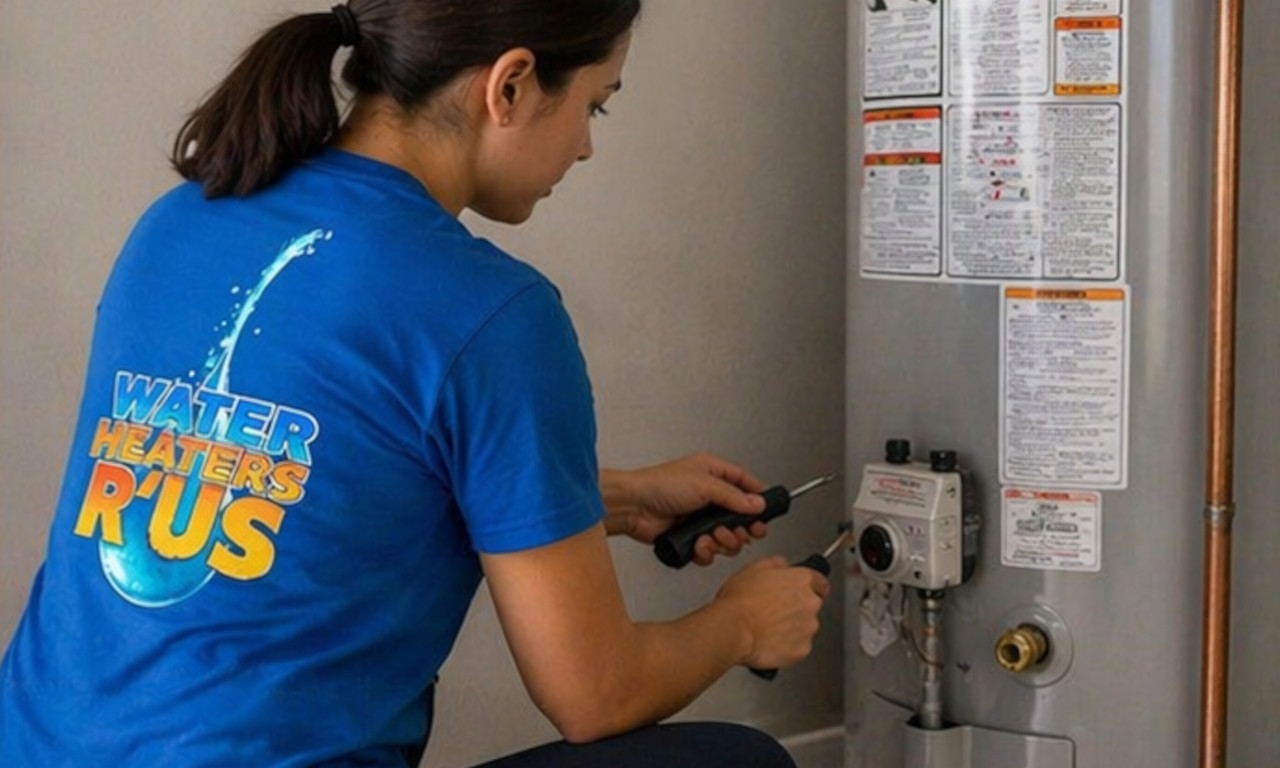
6. Faulty Gas Control Valve
Less common, but more serious, is a failing gas control valve. This component regulates the flow of gas to both the pilot and the main burner. If it's faulty, it might not be supplying enough gas to keep the pilot lit, or it could be failing to hold the pilot flame at all.
How to tell: This is harder to diagnose without specialized tools. If you've ruled out all other possibilities, a faulty gas control valve could be the culprit.
The Fix: This requires a professional technician to diagnose and replace. Do not attempt to repair a gas control valve yourself.
Safety First: When to Call the Experts
While some issues, like checking for drafts or ensuring a gas valve is open, can be tackled by a homeowner, anything involving gas lines, internal components, or suspected carbon monoxide issues should always be handled by a certified professional. Gas appliances are safe when properly installed and maintained, but dangerous when tampered with incorrectly.
If you're unsure about the cause, uncomfortable with any steps, or if the pilot light continues to go out after basic troubleshooting, it's time to call in the experts. Ignoring a persistent pilot light issue can lead to more significant problems, including potential gas leaks or a complete loss of hot water when you need it most.
Preventative Measures for Your Water Heater
Regular maintenance is key to preventing pilot light issues and extending the life of your water heater. Consider these tips:
Annual Inspections: Have a professional from Water Heaters R Us perform an annual inspection and tune-up. We'll check the thermocouple, pilot assembly, gas lines, and venting to ensure everything is in top condition, catching potential problems before they become emergencies.
Keep the Area Clear: Ensure the area around your water heater is free of clutter and debris, allowing for proper airflow and preventing accidental blockages.
Consider a Water Softener: While not directly related to pilot lights, hard water can cause sediment buildup in your tank, reducing efficiency and potentially contributing to other operational issues over time. If you're in an area with hard water, like many parts of Waterdown or Caledonia, a water softener can protect your water heater and other appliances.
Don't Get Left in the Cold This Fall!
A flickering or constantly extinguishing pilot light is more than just an annoyance; it's a sign that your water heater needs attention. As the weather cools across Hamilton, Ancaster, Dundas, Stoney Creek, Burlington, Grimsby, Waterdown, Binbrook, Oakville, Milton, Brantford, and Caledonia, ensuring your hot water supply is reliable is essential for comfort and safety.
For reliable, expert service on your water heater – whether it's a pilot light issue, a complete replacement, or considering an upgrade to a tankless system – trust the professionals at Water Heaters R Us. We're here to keep your home warm and your water hot.
Don't hesitate to reach out! Call us today at 905-679-9420 or visit our website at waterheatersrus.ca to schedule a service appointment.
Need a Water Heater?
Same-day installation, professional service, and flexible rent-to-own options across Hamilton and surrounding areas.
Call 905-679-9420