When to Drain Your Water Heater: Hamilton Homeowner's Guide
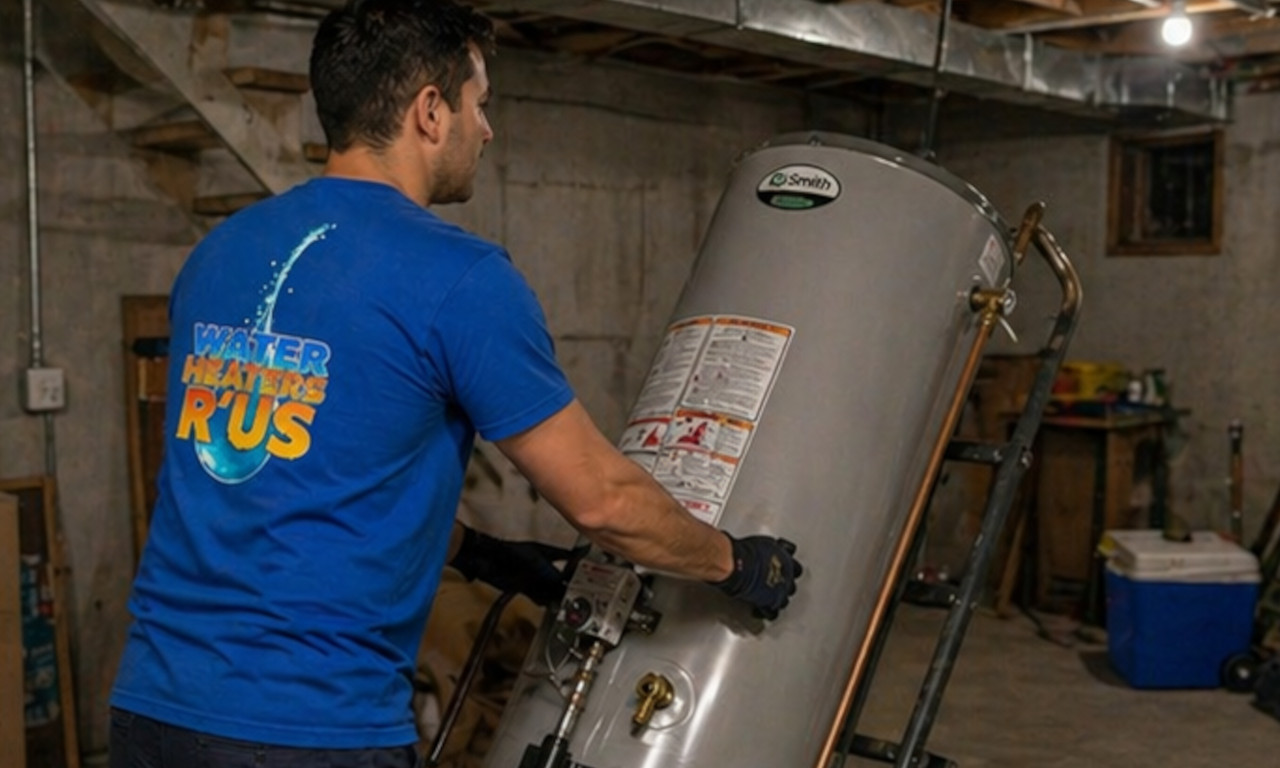
As the crisp fall air settles over Hamilton and our thoughts turn to cozy nights indoors, there's one unsung hero working tirelessly in your home: your water heater. It provides that comforting hot shower, the warm water for dishes, and the essential heat for laundry. But like any hard-working appliance, your water heater needs a little TLC to keep performing its best. One of the most important, yet often overlooked, maintenance tasks is draining and flushing your water heater.
At Water Heaters R Us, we believe in empowering Hamilton homeowners with the knowledge to maintain their systems. Understanding when and why to drain your water heater isn't just about prolonging its life; it's about ensuring efficiency, preventing costly repairs, and enjoying consistent hot water, even as the temperatures drop outside.
Why Draining Your Water Heater Matters: The Sediment Story
Imagine tiny rocks and grit collecting at the bottom of a pot. That's essentially what happens inside your water heater over time, especially in areas with hard water like much of Ontario. The water supplied to your home, even if treated, contains dissolved minerals like calcium and magnesium. When this water is heated, these minerals separate and settle as sediment at the bottom of your water heater tank.
The Hidden Dangers of Sediment Buildup:
- Reduced Efficiency: Sediment forms an insulating layer between the heating element (in electric heaters) or the burner (in gas heaters) and the water. This forces your water heater to work harder and longer to heat the water, leading to higher energy bills.
- Shorter Lifespan: Constant overheating due to sediment can prematurely wear out the tank and heating components, drastically shortening your water heater's life. Think of it as driving your car with the brakes slightly on all the time.
- Strange Noises: If you hear popping, rumbling, or banging noises coming from your water heater, that's often the sound of steam bubbles escaping from under the sediment layer. This isn't just annoying; it indicates stress on the tank.
- Corrosion and Leaks: Sediment can create hot spots within the tank, leading to localized overheating and corrosion, which can eventually cause leaks and tank failure.
- Reduced Hot Water Supply: Sediment takes up space in your tank, meaning there's less room for actual hot water, reducing your usable supply.
When to Drain Your Water Heater: A Seasonal Approach
For most homeowners in Hamilton, Ancaster, Dundas, and beyond, an annual flush is a good baseline. However, the exact frequency can depend on a few factors:
1. Your Water Hardness:
Hamilton and many surrounding communities in our service area (Stoney Creek, Burlington, Grimsby, Waterdown, Binbrook, Oakville, Milton, Brantford, Caledonia) are known for having moderately to very hard water. If you live in an area with particularly hard water, or if you don't have a water softener, you might consider flushing your water heater every 6 months to prevent excessive buildup.
2. The Age of Your Water Heater:
Older water heaters tend to accumulate sediment faster and are more susceptible to the damage it causes. If your unit is over 5-7 years old, more frequent flushing might be beneficial.
3. Presence of a Water Softener:
If you have a water softener installed by Water Heaters R Us, congratulations! You're already taking a significant step to reduce mineral buildup. Water softeners work by removing calcium and magnesium from your water supply, dramatically slowing down sediment accumulation. However, a water softener doesn't entirely eliminate the need to flush. While it drastically reduces the rate, some fine particles can still settle over time. An annual flush is still recommended to keep your system in top shape.
4. Seasonal Timing - Fall is Ideal:
With fall upon us, it's the perfect time to think about this critical maintenance task. Before winter truly sets in and your water heater works overtime to keep up with increased demand for hot water, a thorough flush can ensure it's running at peak efficiency. This preventative step can help you avoid unexpected cold showers or costly breakdowns during the coldest months.
Practical Advice: How to Flush Your Water Heater
While the process of flushing your water heater can be done by a DIY-savvy homeowner, it's crucial to follow safety procedures to avoid injury or damage to your system. If you're uncomfortable or unsure, don't hesitate to call a professional. The experts at Water Heaters R Us are always ready to assist homeowners throughout the Hamilton region.
Here’s a simplified overview of the steps involved in flushing your water heater:
- Turn Off Power/Gas: Crucial first step! For electric heaters, switch off the breaker. For gas heaters, turn the gas valve to the 'off' position.
- Turn Off Cold Water Supply: Locate the cold water inlet valve at the top of your water heater and turn it off.
- Open a Hot Water Tap: Open a hot water tap in your home (e.g., in a sink or bathtub) to relieve pressure and allow air into the tank.
- Connect a Hose: Attach a garden hose to the drain valve located at the bottom of your water heater. Direct the other end of the hose to a floor drain or outside where hot, sediment-laden water can safely drain.
- Open the Drain Valve: Carefully open the drain valve. You'll see water, often murky and discolored, flowing out. Let it run until the water appears clear.
- Flush with Cold Water (Optional but Recommended): Once the water runs clear, close the drain valve. Briefly open the cold water supply valve for a few seconds to stir up any remaining sediment, then close it again and open the drain valve to let the water run clear again. Repeat this a few times.
- Close Drain Valve & Remove Hose: Once the water runs completely clear, close the drain valve tightly and remove the hose.
- Refill and Restore Power: Close the hot water tap you opened earlier. Turn on the cold water supply valve to refill the tank. Once water flows freely from a hot water tap in your home (indicating the tank is full), turn the power or gas supply back on.
This process typically takes about 30-45 minutes. Regular flushing helps prevent major issues down the line and keeps your water heater running smoothly and efficiently.
Beyond the Flush: Comprehensive Water Heater Care
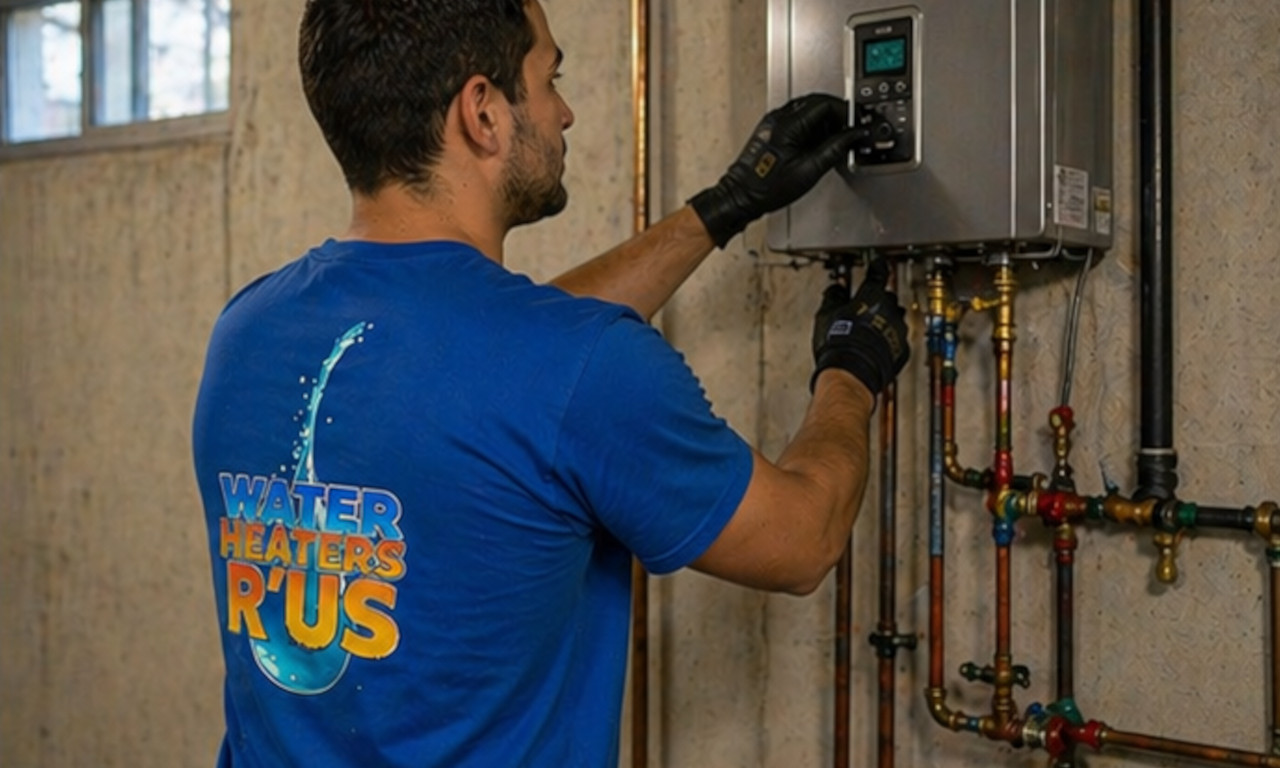
While draining and flushing are vital, they're just one part of comprehensive water heater maintenance. Keep an eye out for other signs of trouble, like leaks, persistent strange noises even after flushing, or insufficient hot water. If you notice any of these issues, or if you're due for a professional inspection or thinking about upgrading to a tankless water heater, the certified plumbing experts at Water Heaters R Us are here to help.
We serve homeowners across Hamilton, Ancaster, Dundas, Stoney Creek, Burlington, Grimsby, Waterdown, Binbrook, Oakville, Milton, Brantford, and Caledonia, providing trusted advice, reliable service, and quality installations. Don't let sediment steal your hot water or inflate your energy bills. A little preventative maintenance goes a long way!
Ready to Ensure Your Hot Water Heater is Winter-Ready?
Don't wait for a cold shower to realize your water heater needs attention. If you have questions about flushing your water heater, need professional maintenance, or are considering a new water heater or softener system, reach out to the friendly team at Water Heaters R Us today!
Call us at 905-679-9420 or visit our website at waterheatersrus.ca to schedule a service or learn more. Your comfort is our priority!
Need a Water Heater?
Same-day installation, professional service, and flexible rent-to-own options across Hamilton and surrounding areas.
Call 905-679-9420