Water Heater Energy Efficiency Ratings Explained for Hamilton Homes
As an Ontario homeowner, you know that keeping your home comfortable comes with its share of utility costs. And often, a significant portion of those costs comes from heating water. Especially as we enjoy the Hamilton summer, you might be thinking about ways to optimize your home's energy consumption. While the sun is shining, it's the perfect time to understand how your water heater's energy efficiency rating impacts your wallet and the environment, preparing you for year-round savings.
At Water Heaters R Us, we believe in empowering our neighbours across Hamilton, Ancaster, Dundas, and beyond with the knowledge to make informed decisions about their home's most essential systems. Understanding water heater energy efficiency ratings isn't just about technical jargon; it's about smart savings and a greener home.
Why Water Heater Energy Efficiency Matters to Ontario Homeowners
Your water heater is likely one of the hardest-working appliances in your home, constantly heating water for showers, laundry, and dishes. In fact, it can account for 15-20% of your total home energy consumption. With fluctuating energy prices in Ontario, maximizing its efficiency is a smart move for several reasons:
- Reduced Utility Bills: This is often the biggest motivator! A more efficient water heater uses less energy to do the same job, directly translating to lower monthly expenses.
- Environmental Impact: Less energy consumption means a smaller carbon footprint, contributing to a healthier planet for everyone.
- Increased Home Value: Energy-efficient appliances are a selling point, making your home more attractive to potential buyers.
- Eligibility for Rebates: Some highly efficient models may qualify for local or provincial energy rebates, offering upfront savings.
Decoding Water Heater Energy Efficiency Ratings: EF vs. UEF
When you're shopping for a new water heater, you'll encounter various efficiency ratings. The two most prominent are the Energy Factor (EF) and the Uniform Energy Factor (UEF). Let's break them down.
The Energy Factor (EF)
For many years, the Energy Factor (EF) was the standard metric used to measure a water heater's overall energy efficiency. It's a ratio that indicates how efficiently a water heater converts the energy it consumes into hot water. The EF value typically ranges from 0.50 to 0.95 for conventional tank-style water heaters, and often higher for tankless units.
- How it's calculated: EF considers the energy consumed during standby losses (heat lost from the tank when not in use), the recovery efficiency (how efficiently it heats water), and the energy used to deliver hot water.
- What a higher EF means: A higher EF number indicates a more energy-efficient water heater. For example, a water heater with an EF of 0.90 is more efficient than one with an EF of 0.70.
- Limitations: While helpful, EF had some limitations. It was based on a single, standardized test scenario that didn't always accurately reflect real-world usage patterns, especially for different types of water heaters.
Introducing the Uniform Energy Factor (UEF)
Recognizing the need for a more comprehensive and standardized rating, the Department of Energy (DOE) updated its testing procedures in 2017, introducing the Uniform Energy Factor (UEF). UEF is now the industry standard for measuring water heater efficiency in North America, including here in Ontario.
- Why UEF is better: UEF provides a more accurate comparison across different types of water heaters (tank, tankless, heat pump) and accounts for varying hot water usage scenarios (low, medium, high demand). This means you can more reliably compare the efficiency of a conventional tank unit against a tankless or hybrid model.
- How it's calculated: UEF considers more variables, including specific hot water draws and standby heat loss, using a more rigorous testing protocol.
- What a higher UEF means: Just like with EF, a higher UEF number signifies greater energy efficiency. When comparing models today, always look for the UEF rating.
First Hour Rating (FHR)
While not an efficiency rating, the First Hour Rating (FHR) is crucial for sizing your water heater correctly, which indirectly impacts efficiency. FHR measures how many gallons of hot water a storage tank water heater can deliver in the first hour of use, starting with a full tank of hot water. A correctly sized water heater avoids running out of hot water, preventing inefficient cold showers and excessive reheating.
Types of Water Heaters and Their Efficiency Profile
Understanding EF and UEF helps you compare models within each category, but it's also important to know the general efficiency landscape of different water heater types:
- Conventional Storage Tank Water Heaters: These are the most common in Hamilton homes. They store and continuously heat a reservoir of water. Their UEF typically ranges from 0.60 to 0.95. Higher efficiency models often come with better insulation or specialized burners.
- Tankless (On-Demand) Water Heaters: As the name suggests, these only heat water when you need it, eliminating standby heat loss. They boast impressive UEFs, often ranging from 0.80 to 0.99. While the initial cost is higher, the long-term energy savings can be substantial, especially for larger households or those looking to save money on summer utility bills.
- Heat Pump (Hybrid) Water Heaters: These innovative units use electricity to move heat from the surrounding air to the water, much like a refrigerator in reverse. They are incredibly efficient, with UEFs often above 2.0, making them one of the most energy-efficient choices available. They require specific installation considerations, like sufficient space and temperature in their environment.
Beyond the Rating: Other Factors Influencing Your Water Heater's Efficiency
Even with a high UEF rating, several other factors can impact your water heater's real-world efficiency and your energy bills:
- Proper Sizing: An undersized unit will constantly struggle to meet demand, while an oversized one will waste energy by heating more water than you need. Our team at Water Heaters R Us can help you determine the perfect size for your family's needs.
- Professional Installation: Incorrect installation can severely compromise efficiency and safety. Always rely on certified plumbers for installation.
- Regular Maintenance: Flushing your tank annually to remove sediment buildup, checking the anode rod, and inspecting for leaks can significantly extend its life and maintain efficiency.
- Water Quality: Hard water, common in many parts of Ontario, leads to mineral buildup (scale) inside your water heater. This scale acts as an insulator, forcing the unit to work harder and consume more energy. Installing a water softener can protect your water heater and other appliances, boosting their efficiency and lifespan.
Practical Tips for Boosting Your Water Heater's Efficiency This Summer & Beyond
Want to start saving right away? Here are some actionable tips:
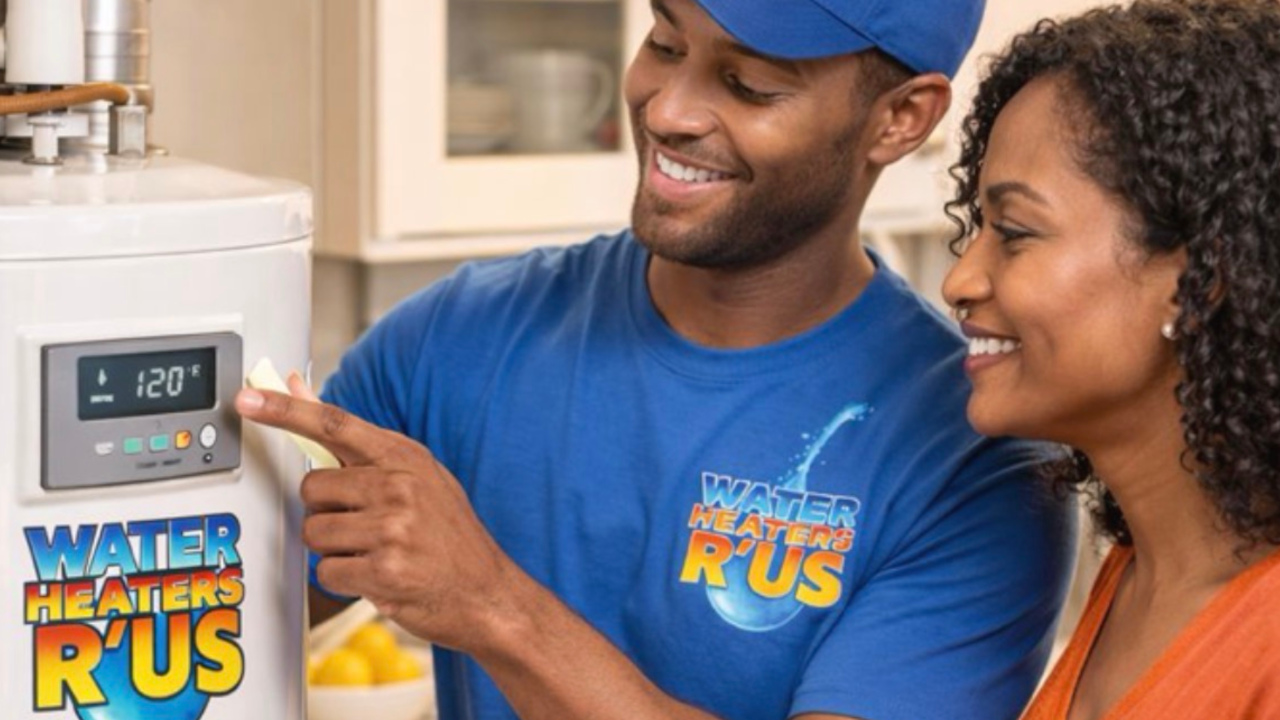
- Lower the Thermostat: Most water heaters are set to 140°F (60°C) by default. For many households, 120°F (49°C) is sufficient, safe, and can save you 6-10% on your water heating costs. If you're heading out for a summer vacation, turn it down even further or put it on vacation mode if available.
- Insulate Your Tank and Pipes: Insulating an older storage tank can reduce standby heat loss by up to 25-45%. Insulating the first six feet of hot and cold water pipes connected to the heater also helps prevent heat loss.
- Fix Leaks Promptly: Even a small hot water leak can waste hundreds of gallons of hot water and significant energy over time.
- Use Less Hot Water: Install low-flow showerheads and aerators, wash clothes in cold water when possible, and run dishwashers only when full.
- Consider a Water Softener: If you have hard water, a water softener will prevent scale buildup, ensuring your water heater operates at peak efficiency for longer. It's an investment that pays off in energy savings and appliance longevity.
When to Consider an Upgrade
If your current water heater is over 10-15 years old, requires frequent repairs, or if you're consistently seeing high energy bills, it might be time to consider an upgrade to a more energy-efficient model. The initial investment in a high-efficiency water heater, especially a tankless or heat pump model, can be recouped through significant long-term energy savings.
From routine maintenance to selecting a new high-efficiency model, Water Heaters R Us is here to serve homeowners across Hamilton, Ancaster, Dundas, Stoney Creek, Burlington, Grimsby, Waterdown, Binbrook, Oakville, Milton, Brantford, and Caledonia. Our licensed technicians can assess your current system, explain your options, and provide professional installation to ensure optimal performance and efficiency.
Ready to Save on Your Energy Bills?
Understanding your water heater's energy efficiency ratings is the first step towards a more economical and environmentally friendly home. Whether you're considering an upgrade or looking for ways to maximize your existing unit's performance, the experts at Water Heaters R Us are ready to help.
Don't let inefficient water heating drain your wallet. Take control of your home's energy consumption today!
Contact Water Heaters R Us for expert advice, installation, and service. Call us at 905-679-9420 or visit us online at waterheatersrus.ca to schedule a consultation.
Need a Water Heater?
Same-day installation, professional service, and flexible rent-to-own options across Hamilton and surrounding areas.
Call 905-679-9420