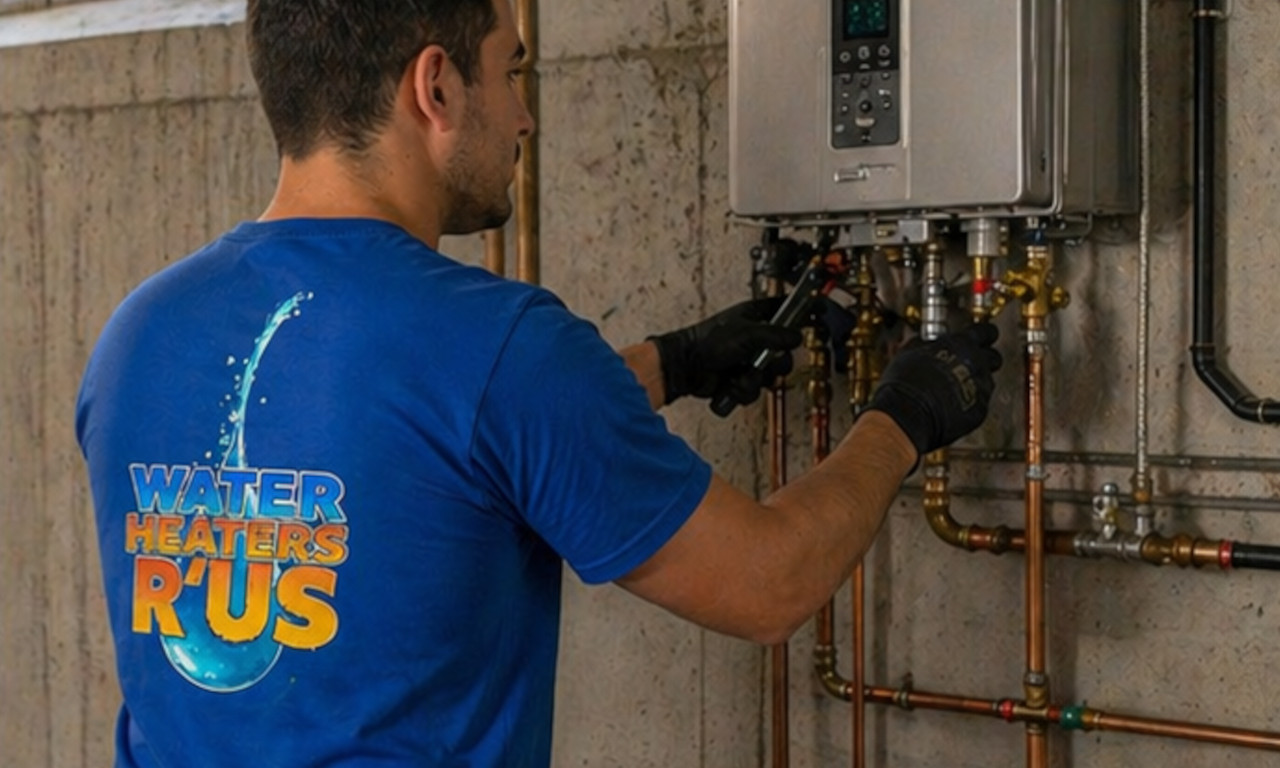
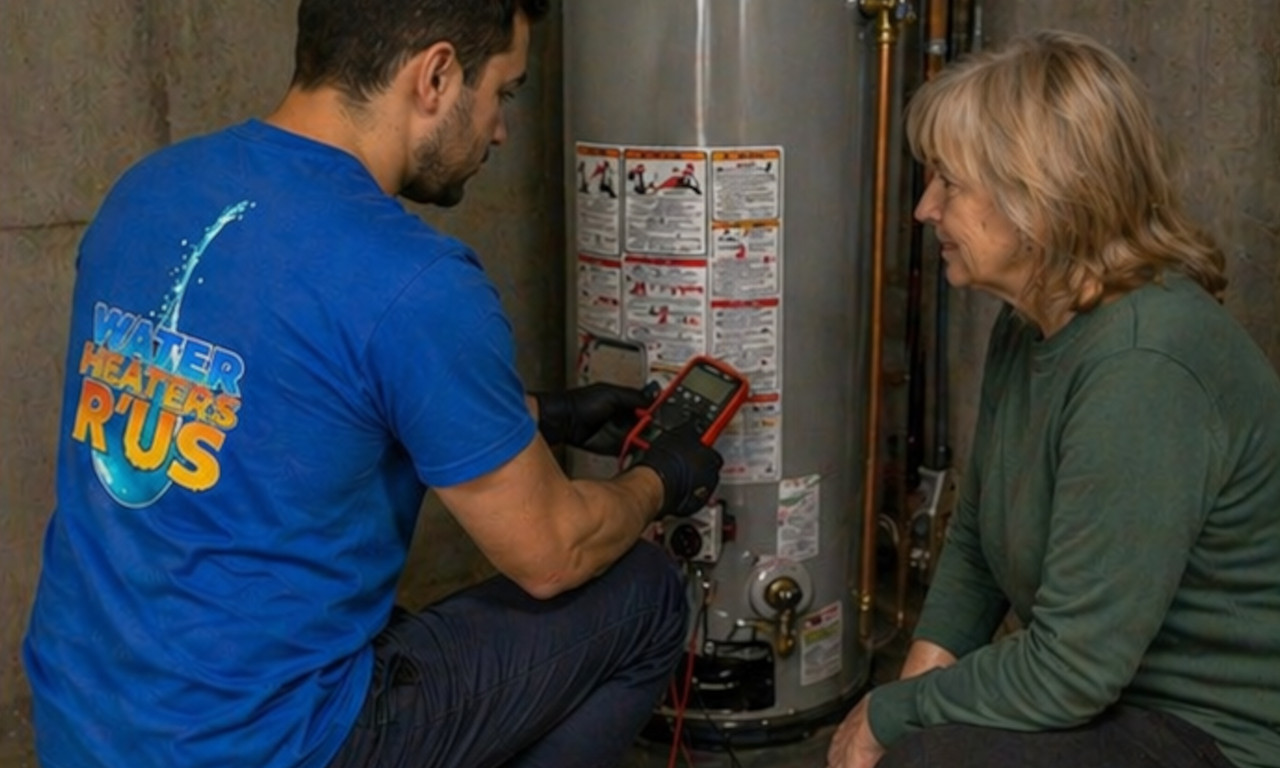
Understanding Water Heater Energy Efficiency Ratings
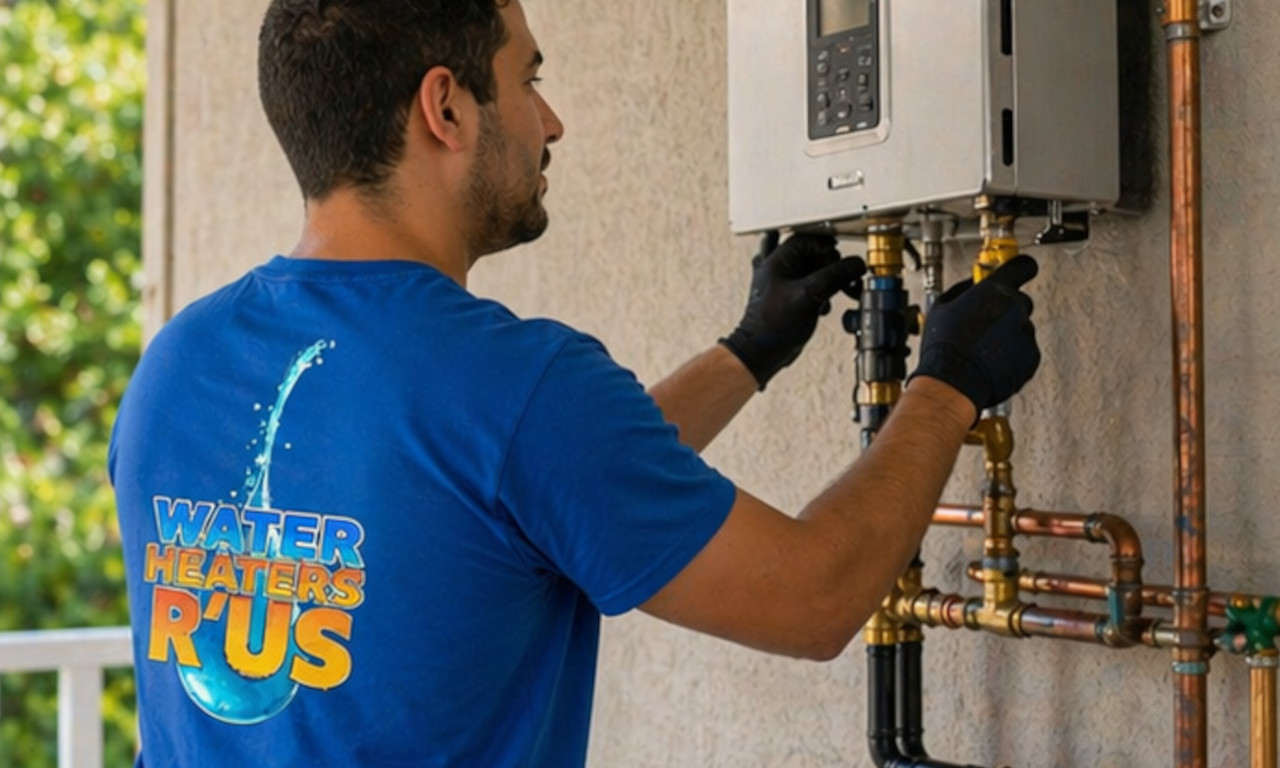
In the heart of summer, our minds might drift to cool lake breezes or backyard BBQs, but for homeowners in Hamilton, Ancaster, Dundas, and beyond, smart energy choices are a year-round priority. One of the biggest energy consumers in your home, often overlooked until there's a problem, is your water heater. Understanding its energy efficiency rating isn't just about jargon; it's about saving money, reducing your carbon footprint, and ensuring consistent comfort for your family.
At Water Heaters R Us, we believe in empowering our neighbours across the Golden Horseshoe – from Stoney Creek to Burlington, Grimsby to Waterdown, Binbrook to Oakville, Milton, Brantford, and Caledonia – with the knowledge to make informed decisions about their home's plumbing systems. Let's demystify water heater energy efficiency ratings together.
Why Water Heater Efficiency Matters More Than Ever
With fluctuating energy prices and a growing awareness of environmental impact, choosing an energy-efficient water heater is a smart move. An inefficient unit can quietly drain your wallet, contributing significantly to your monthly utility bills. By understanding the ratings, you can select a system that provides ample hot water without the excessive energy consumption.
Key Energy Efficiency Ratings Explained
You’ll encounter a few different terms when looking at water heater efficiency. Here’s what they mean:
1. Energy Factor (EF)
- What it is: Historically, the primary measure of a water heater's overall energy efficiency. The EF indicates the percentage of energy consumed that is converted into hot water.
- How it works: An EF of 0.75 means 75% of the energy consumed is used to heat water, while 25% is lost (primarily through standby heat loss from the tank).
- Considerations: While still seen on some older models, EF has largely been replaced by a more comprehensive standard.
2. Uniform Energy Factor (UEF)
- What it is: The current standard for measuring water heater efficiency, introduced in 2017. UEF is a more accurate and comprehensive rating than EF.
- How it works: UEF ratings take into account various factors that affect real-world performance, including different usage patterns (high, medium, low) and types of water heaters (tank, tankless, heat pump). This allows for a more "apples-to-apples" comparison across different technologies.
- What to look for: A higher UEF rating indicates greater efficiency and lower operating costs. When comparing models today, always look for the UEF.
3. First Hour Rating (FHR)
- What it is: Specific to traditional tank-style water heaters, FHR measures the number of gallons of hot water the heater can supply in the first hour of use, starting with a full tank of hot water.
- Why it matters: This helps you size your tank properly for your household's peak demand. A family of four might need a higher FHR than a single person.
4. Gallons Per Minute (GPM) - For Tankless Units
- What it is: For tankless (on-demand) water heaters, efficiency is less about a tank's capacity and more about how much hot water it can deliver continuously. GPM indicates the flow rate of hot water.
- Why it matters: Your home's hot water needs (e.g., how many showers or appliances run simultaneously) will dictate the GPM you require.
Factors Influencing Your Water Heater's Real-World Efficiency
Even with a high UEF rating, several factors can impact your water heater's actual performance and energy consumption:
- Type of Water Heater: Tankless units typically offer higher efficiency than traditional tank models because they only heat water on demand, eliminating standby heat loss. Hybrid (heat pump) water heaters are also incredibly efficient.
- Installation Quality: Proper installation by certified plumbers ensures optimal operation and efficiency. Incorrect sizing or venting can severely compromise performance.
- Maintenance: Regular maintenance, like flushing your tank-style water heater annually, helps remove sediment buildup that can reduce efficiency and shorten its lifespan. Summer is a great time to tackle this task!
- Water Quality: Hard water, prevalent in many Ontario communities, can lead to mineral buildup (scale) inside your water heater. This scale acts as an insulator, forcing your unit to work harder and consume more energy to heat water.
The Unsung Hero: How Water Softeners Boost Efficiency
This is where your home's water quality comes into play. If you live in an area with hard water, you might be unknowingly sabotaging your water heater's efficiency. Mineral deposits (limescale) accumulate on heating elements and tank surfaces, reducing heat transfer and causing your unit to use more energy.
Installing a water softener is one of the best investments you can make for your water heater's longevity and efficiency. Soft water prevents scale buildup, allowing your water heater to operate at its peak performance, extend its lifespan, and save you money on energy bills. It's a win-win for your plumbing and your wallet!
Practical Tips for Maximizing Your Water Heater's Efficiency
Whether you have a brand new high-efficiency model or an older unit, there are steps you can take to improve its performance:
- Lower the Thermostat: Most water heaters are set to 140°F (60°C). Reducing it to 120°F (49°C) can save energy without significant impact on comfort and also reduces the risk of scalding.
- Insulate Your Tank and Pipes: For older tank-style heaters, adding an insulation blanket can reduce standby heat loss. Insulating the first six feet of hot and cold water pipes connected to the heater also helps.
- Flush Your Tank Annually: This simple DIY task removes sediment buildup. It's an easy way to maintain efficiency and extend your water heater's life.
- Fix Leaks Promptly: Even a small hot water leak from a faucet or pipe can waste gallons of heated water and significantly impact your energy bill.
- Consider a Timer: If you have predictable hot water usage patterns, a timer can turn off the heating element during off-peak hours.
- Install Low-Flow Fixtures: Reducing the amount of hot water used means your water heater doesn't have to work as hard.
When to Consider an Upgrade
If your water heater is over 10-15 years old, frequently needs repairs, or simply can't keep up with your family's demands, it might be time to consider an upgrade to a newer, more efficient model. The initial investment in a high-efficiency tankless or hybrid water heater can often be recouped through significant energy savings over its lifespan.
Our team at Water Heaters R Us can help you navigate the options, assess your home's unique needs, and recommend the best energy-efficient solution for your family. We proudly serve homeowners across Hamilton, Ancaster, Dundas, Stoney Creek, Burlington, Grimsby, Waterdown, Binbrook, Oakville, Milton, Brantford, and Caledonia, ensuring you get expert advice and professional installation.
Ready to Boost Your Home's Hot Water Efficiency?
Understanding water heater energy efficiency ratings is the first step towards a more comfortable, economical, and environmentally friendly home. Don't let confusing numbers stand between you and significant savings.
If you have questions about your current water heater's efficiency, are considering an upgrade, or want to explore the benefits of a water softener, our expert plumbers are here to help. Call Water Heaters R Us today at 905-679-9420 or visit our website at waterheatersrus.ca to schedule a consultation. Let us help you keep your hot water running efficiently all year round!
Need a Water Heater?
Same-day installation, professional service, and flexible rent-to-own options across Hamilton and surrounding areas.
Call 905-679-9420