Tank vs. Tankless Water Heaters: Which is Right for Your Hamilton Home?
When it comes to ensuring your home has a reliable supply of hot water, you essentially have two main contenders: the traditional tank water heater and the innovative tankless (on-demand) water heater. For homeowners across Hamilton, Ancaster, Dundas, Stoney Creek, Burlington, and beyond, making the right choice can significantly impact your comfort, energy bills, and even your home's environmental footprint.
Here at Water Heaters R Us, we understand that navigating these options can feel overwhelming. That’s why we’ve put together this comprehensive guide to help you weigh the pros and cons, consider crucial factors, and ultimately decide which hot water solution is the perfect fit for your Ontario lifestyle. As summer rolls on and your family's hot water demands might shift – perhaps more showers after outdoor adventures, or increased laundry – it's an excellent time to assess your current system and consider an upgrade.
Understanding Traditional Tank Water Heaters
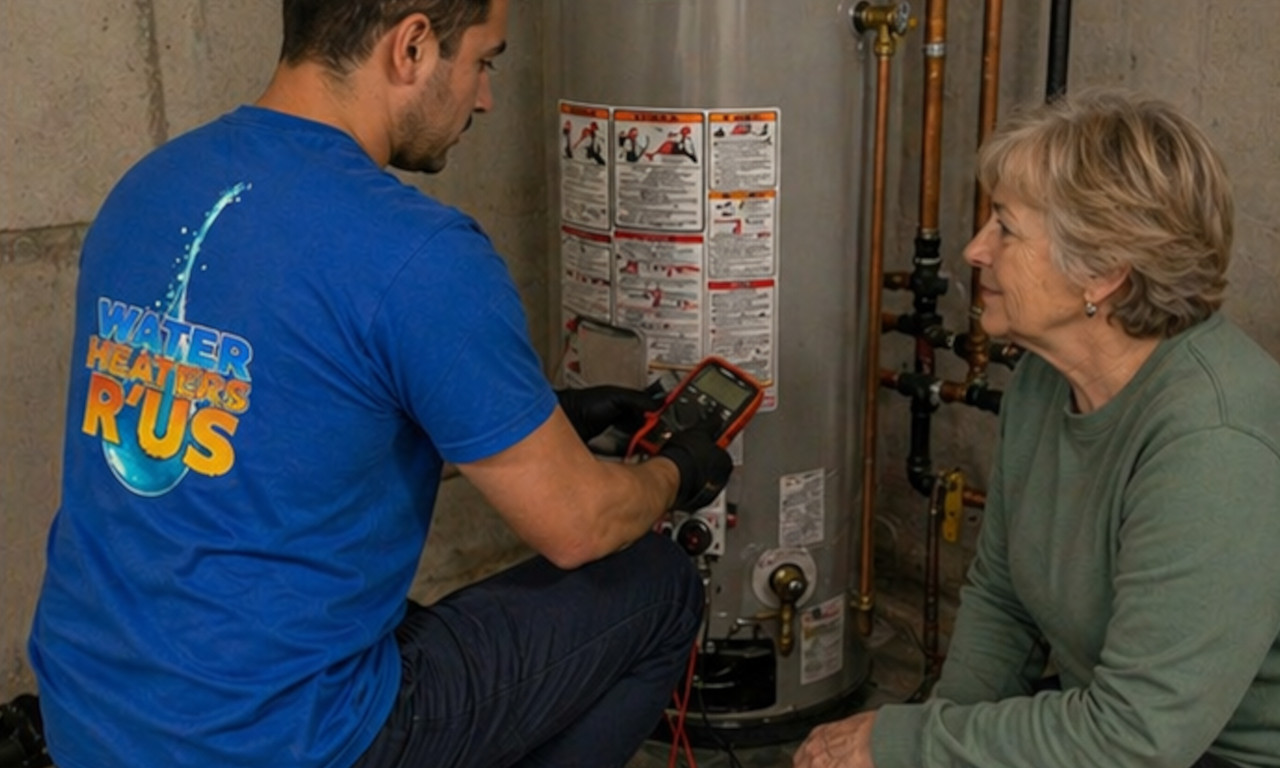
The familiar tank water heater, also known as a storage water heater or hot water tank, has been a staple in homes for decades. It operates by storing and continuously heating a large volume of water in an insulated tank, ready for use whenever you turn on a hot water tap.
How They Work:
- A large insulated tank (typically 40-60 gallons for residential) stores water.
- A gas burner or electric heating elements keep the water at a set temperature.
- When hot water is used, cold water enters the tank, and the heating process restarts.
Pros of Tank Water Heaters:
- Lower Upfront Cost: Generally, tank water heaters have a lower purchase and installation cost compared to tankless units.
- Simple Technology: Their straightforward design often means easier repairs and readily available parts.
- Reliable Performance: They provide a consistent flow rate, which can be beneficial if multiple hot water fixtures are used simultaneously.
- Familiarity: Most homeowners are already accustomed to their operation.
Cons of Tank Water Heaters:
- Energy Standby Loss: The biggest drawback is "standby heat loss." The tank continuously heats water even when you're not using it, leading to wasted energy.
- Finite Hot Water Supply: Once the tank's hot water capacity is depleted, you have to wait for it to refill and reheat, which can be a nuisance during peak demand.
- Takes Up Space: The large tank requires a significant footprint, typically in a basement, utility closet, or garage.
- Shorter Lifespan: On average, tank water heaters last 10-15 years before needing replacement.
- Risk of Leaks: Over time, tanks can corrode and eventually leak, potentially causing water damage.
Maintenance Tips for Tank Water Heaters:
- Annual Flushing: Drain a few gallons from the tank annually to remove sediment buildup, which can improve efficiency and extend lifespan.
- Anode Rod Inspection: The anode rod sacrifices itself to prevent tank corrosion; inspect and replace it every 3-5 years.
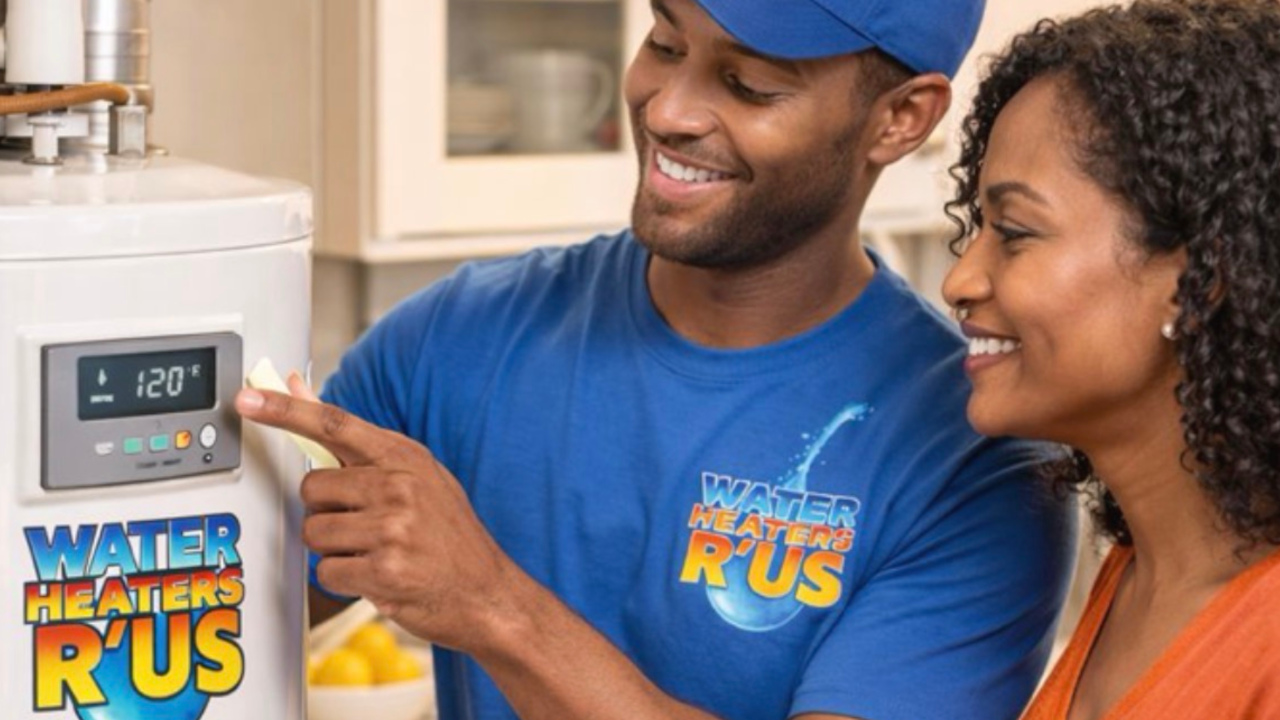
- Temperature Check: Ensure your thermostat is set safely (typically 120°F or 49°C) to prevent scalding while still being efficient.
Exploring Tankless Water Heaters (On-Demand)
Tankless water heaters, also known as on-demand water heaters, represent a modern approach to hot water. Instead of storing hot water, they heat it only when you need it, directly as it flows through the unit.
How They Work:
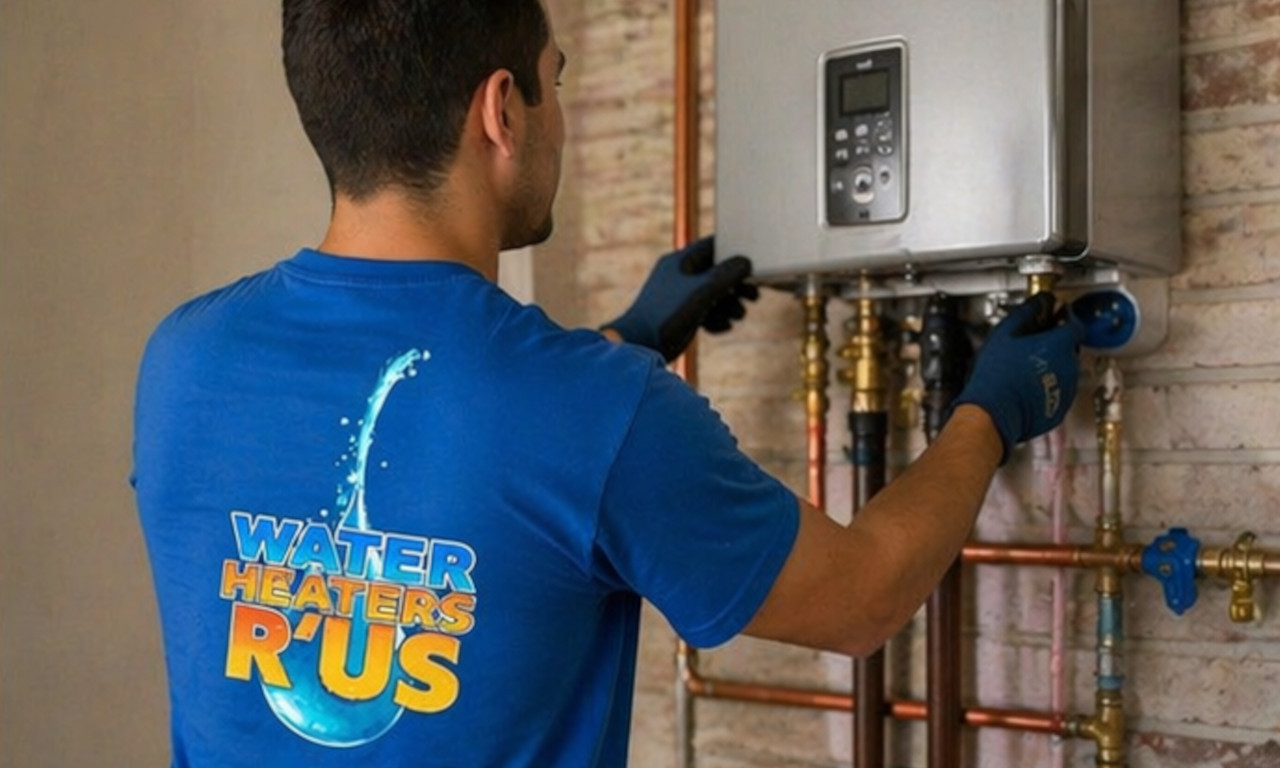
- When a hot water tap is opened, cold water flows into the tankless unit.
- A powerful gas burner or electric heating element instantly heats the water to your desired temperature.
- Hot water is then delivered directly to your faucet, shower, or appliance.
Pros of Tankless Water Heaters:
- Endless Hot Water: The most celebrated benefit! You'll never run out of hot water, no matter how many showers are taken or how much laundry is done. This is especially appealing for larger families in areas like Waterdown or Binbrook.
- Energy Efficiency: By heating water only when needed, tankless units eliminate standby heat loss, potentially saving you 20-30% on your water heating costs.
- Compact Size: These units are much smaller than traditional tanks and can be mounted on a wall, freeing up valuable floor space.
- Longer Lifespan: Tankless water heaters typically last 20+ years, often with longer warranties on their heat exchangers.
- Reduced Risk of Leaks: Without a large tank of stored water, the risk of a catastrophic leak is significantly diminished.
Cons of Tankless Water Heaters:
- Higher Upfront Cost: The initial purchase and installation cost is generally higher than a traditional tank unit.
- Flow Rate Limitations: While providing endless hot water, tankless units have a maximum flow rate. If too many hot water fixtures are open simultaneously, you might experience a slight dip in temperature or pressure.
- Installation Requirements: Tankless units often require specific venting, a dedicated gas line, or a larger electrical circuit, which can add to installation costs.
- Hard Water Sensitivity: Mineral buildup from hard water can affect efficiency and lifespan. This is particularly relevant for many homes in the Golden Horseshoe.
Maintenance Tips for Tankless Water Heaters:
- Annual Flushing: Due to their sensitivity to mineral buildup, annual flushing with a descaling solution is crucial to maintain efficiency and prevent damage.
- Professional Check-ups: Regular professional maintenance ensures all components are working optimally.
Key Factors to Consider When Choosing
Now that you understand the basics of both systems, let's dive into the factors that will guide your decision for your home in Grimsby, Oakville, Milton, or Brantford.
1. Budget: Upfront vs. Long-Term Costs
- Tank: Lower initial investment, but potentially higher operating costs over its lifespan.
- Tankless: Higher initial investment, but lower operating costs and a longer lifespan can lead to significant savings over time. Consider energy rebates available in Ontario for high-efficiency upgrades.
2. Household Size & Hot Water Demand
- Small to Medium Households (1-3 people): A well-sized tank water heater might suffice, or a tankless unit offers superior comfort.
- Large Households (4+ people) or High Demand: Tankless shines here, providing endless hot water for multiple showers, baths, and appliances simultaneously. If your traditional tank struggles to keep up in the summer with extra guests or activities, a tankless system could be a game-changer.
3. Space & Installation Requirements
- Tank: Requires a dedicated floor space. Replacement is generally straightforward if you're swapping like-for-like.
- Tankless: Compact wall-mounted design frees up space. Installation may involve upgrading gas lines, electrical, or venting, which our certified technicians at Water Heaters R Us can expertly assess.
4. Lifespan & Warranty
- Tank: 10-15 years.
- Tankless: 20+ years for the unit, with heat exchangers often carrying 10-15 year warranties. This longer lifespan means fewer replacements over your homeownership.
5. Water Quality: The Water Softener Connection
Ontario's water, particularly in areas like Hamilton and surrounding regions, can often be quite hard. Hard water contains high levels of minerals like calcium and magnesium, which can lead to limescale buildup inside your water heater.
- Impact on Tank Heaters: Sediment buildup at the bottom of the tank reduces efficiency, requires more energy to heat water, and shortens the tank's lifespan.
- Impact on Tankless Heaters: Mineral buildup can clog the heat exchanger, drastically reducing efficiency and potentially damaging the unit.
Regardless of which water heater you choose, investing in a whole-home water softener is a smart move. Not only does it protect your water heater, extending its life and maintaining efficiency, but it also benefits all your water-using appliances, plumbing, and even your skin and hair. Water Heaters R Us also specializes in professional water softener installation and maintenance, ensuring your entire home's water system is optimized.
6. Environmental Impact
If reducing your carbon footprint is a priority, the energy efficiency of a tankless water heater makes it a more environmentally friendly choice. Less wasted energy means less demand on power grids.
Making the Right Choice for Your Ontario Home
There's no single "best" water heater; the ideal choice depends on your specific needs, budget, and lifestyle. If you're looking for a lower upfront cost and are comfortable with occasional hot water limitations, a traditional tank might be suitable. However, if you prioritize endless hot water, long-term energy savings, and space efficiency, a tankless unit is likely your preferred option.
Considering an upgrade or installation this summer? It's the perfect season to make improvements to your home's infrastructure before the colder months bring higher demands on your heating systems. Upgrading now means you'll be set for efficient, reliable hot water when you need it most.
When to Call the Experts at Water Heaters R Us
Choosing and installing a water heater is a complex job that requires professional expertise. Our licensed and experienced technicians at Water Heaters R Us are ready to help. We can:
- Assess your current hot water needs and home's plumbing infrastructure.
- Provide detailed recommendations for both tank and tankless models.
- Ensure proper, safe, and efficient installation that complies with all local codes.
- Offer expert advice on water softeners to protect your investment.
We proudly serve homeowners throughout Hamilton, Ancaster, Dundas, Stoney Creek, Burlington, Grimsby, Waterdown, Binbrook, Oakville, Milton, Brantford, and Caledonia. Don't let uncertainty leave you in cold water!
Ready to discuss your options or schedule a service? Give us a call today for a no-obligation consultation. Our team is here to provide reliable, professional service and ensure your home has the perfect hot water solution.
Contact Water Heaters R Us:
Call us at: 905-679-9420
Visit us online: waterheatersrus.ca
Need a Water Heater?
Same-day installation, professional service, and flexible rent-to-own options across Hamilton and surrounding areas.
Call 905-679-9420