Unlock Savings: Optimize Your Water Heater with Timer Settings
As the vibrant energy of spring fills the air in Hamilton and across Ontario, many of us turn our thoughts to home improvements, spring cleaning, and, often, finding ways to make our homes more efficient. While we might focus on insulation, windows, or smart thermostats, one of the biggest energy consumers in your home often goes unnoticed: your water heater. But what if there was a simple, yet incredibly effective, way to significantly reduce its energy consumption? Enter the water heater timer.
At Water Heaters R Us, we understand that energy efficiency is top of mind for homeowners in Hamilton, Ancaster, Dundas, Stoney Creek, Burlington, Grimsby, Waterdown, Binbrook, Oakville, Milton, Brantford, and Caledonia. That's why we're here to shed light on how strategically using timer settings can not only save you money on your utility bills but also contribute to a greener household.
Why Your Water Heater Needs a Timer
Your water heater works tirelessly, 24/7, to ensure you have hot water on demand. While convenient, this constant operation is also a major energy drain. Think about it: how often do you actually need hot water in the middle of the night, or during the workday when everyone is out of the house?
The truth is, for many hours a day, your water heater is working to maintain a temperature that isn't being used. This constant reheating is known as “standby heat loss” and it accounts for a significant portion of your energy bill. An electric water heater, in particular, can greatly benefit from a timer, as it allows you to dictate precisely when the heating elements are active. By only heating water when you actually need it, you prevent unnecessary energy waste and give your appliance a much-needed break.
Understanding How Water Heater Timers Work
A water heater timer essentially acts as a switch, interrupting the power supply to your electric water heater during pre-set periods. Instead of continuously drawing power to keep the water hot, the timer turns the unit off when hot water isn't needed and turns it back on before demand peaks.
Types of Timers:
- Built-in Timers: Some newer, more advanced electric water heaters come with integrated programming features, allowing you to set schedules directly on the unit's control panel.
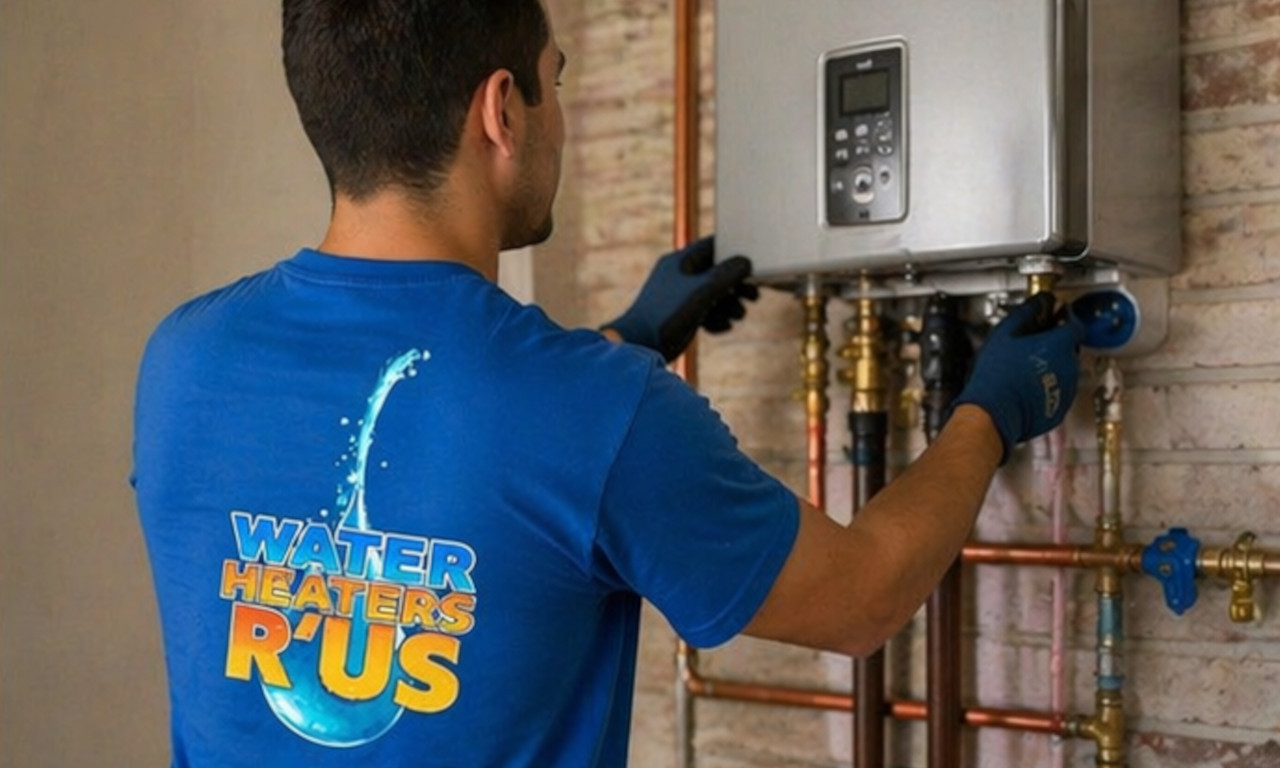
- External Timers: For older electric models, a plug-in or hardwired external timer can be installed by a qualified professional. These devices typically feature a digital display or mechanical pins to set heating schedules.
It's important to note that while timers are highly effective for electric water heaters, gas water heaters operate differently and typically don't use external timers in the same way. Gas models often have pilot lights and different recovery rates, though some newer high-efficiency gas models may offer programmable temperature settings or "vacation modes." Our focus here will primarily be on electric water heaters, where timers offer the most direct energy-saving potential.
The Benefits Go Beyond Your Bill
Implementing a timer for your water heater isn't just about saving money, although that's a significant perk. It also offers several other advantages:
- Reduced Wear and Tear: By operating less frequently, your water heater's components, particularly the heating elements, experience less stress, potentially extending the lifespan of your unit.
- Environmental Impact: Lower energy consumption means a smaller carbon footprint, contributing to a healthier environment for everyone in our beautiful Ontario communities.
- Convenience: Once set, your timer operates automatically, ensuring you always have hot water when you need it without having to remember to manually adjust settings.
Practical Steps: Setting Up Your Water Heater Timer for Maximum Savings
Optimizing your timer settings requires a little observation and planning. Here’s how to approach it:
1. Assess Your Household's Hot Water Usage Patterns
Take a week to truly understand when your family uses hot water. Consider:
- Morning Rush: When do showers typically start and end?
- Daytime: Is anyone home during the day? Do you do laundry or dishes at specific times?
- Evening Peak: When are evening showers, dinner cleanup, or baths usually taken?
- Weekends: Do your patterns change significantly on Saturdays and Sundays?
2. Identify Your Off-Peak Hours
Based on your usage, pinpoint the longest stretches when hot water isn't needed. For many families, this includes:
- Overnight: From late evening until just before the first person wakes up.
- Workday Hours: When everyone is at school or work.
3. Program Your Timer
Here’s a general guideline for setting your timer:
- Turn On: Program your water heater to turn on about 1-2 hours before your first anticipated hot water demand (e.g., 5:00 AM if showers start at 6:00 AM). This allows the tank ample time to heat up.
- Turn Off (Morning): After the morning rush, program it to turn off. For example, if everyone is done showering by 8:00 AM, you can turn it off around 8:30 AM.
- Turn On (Evening): If you have an evening hot water demand, program it to turn on about 1-2 hours before that peak (e.g., 4:30 PM for dinner prep and evening showers).
- Turn Off (Evening): Once evening use subsides, turn it off again for the night (e.g., 9:00 PM or 10:00 PM).
- Weekend Adjustments: You might extend the "on" periods slightly on weekends if your usage patterns differ, or consider a separate weekend schedule if your timer allows.
Remember, the goal is to find a balance where you always have hot water when you need it, without heating it when you don't. It might take a week or two of minor adjustments to find your perfect schedule.
Spring Cleaning and Water Heater Efficiency
With spring in full swing, it's the perfect time to think about comprehensive home maintenance. While you're decluttering and dusting, don't forget your water heater!
Regular maintenance, such as flushing your water heater tank annually, helps remove sediment buildup that can hinder efficiency. Sediment acts as an insulator at the bottom of the tank, making the heating elements work harder and longer to heat the water above it. This directly counteracts the energy savings from your timer settings. A clean tank means faster, more efficient heating, maximizing your timer's effectiveness.
The Role of Water Softeners in Water Heater Efficiency
For homeowners in areas like Hamilton and surrounding regions, hard water is a common concern. Hard water contains high levels of minerals like calcium and magnesium, which, when heated, can precipitate out and form scale. This scale buildup inside your water heater tank and on its heating elements is detrimental to its efficiency and lifespan.
Here's how hard water affects your water heater, and why a water softener is a smart investment:
- Reduced Efficiency: Scale buildup acts as an insulating layer on heating elements. This forces your water heater to use more energy and take longer to heat water to the desired temperature, driving up your energy bills.
- Shorter Lifespan: The constant struggle against scale puts undue stress on your water heater, leading to premature component failure and a shorter overall lifespan for your appliance.
- Compromised Performance: Scale can clog pipes and reduce water flow, impacting your hot water delivery.
By installing a water softener, you prevent scale buildup, ensuring your water heater operates at peak efficiency. This means the hot water you schedule with your timer will heat faster and cost less. It's an investment that pays dividends in energy savings, extended appliance life, and improved hot water performance. Water Heaters R Us also specializes in water softener installations and maintenance, ensuring your entire hot water system is optimized for efficiency and longevity.
Advanced Tips for Even Greater Savings
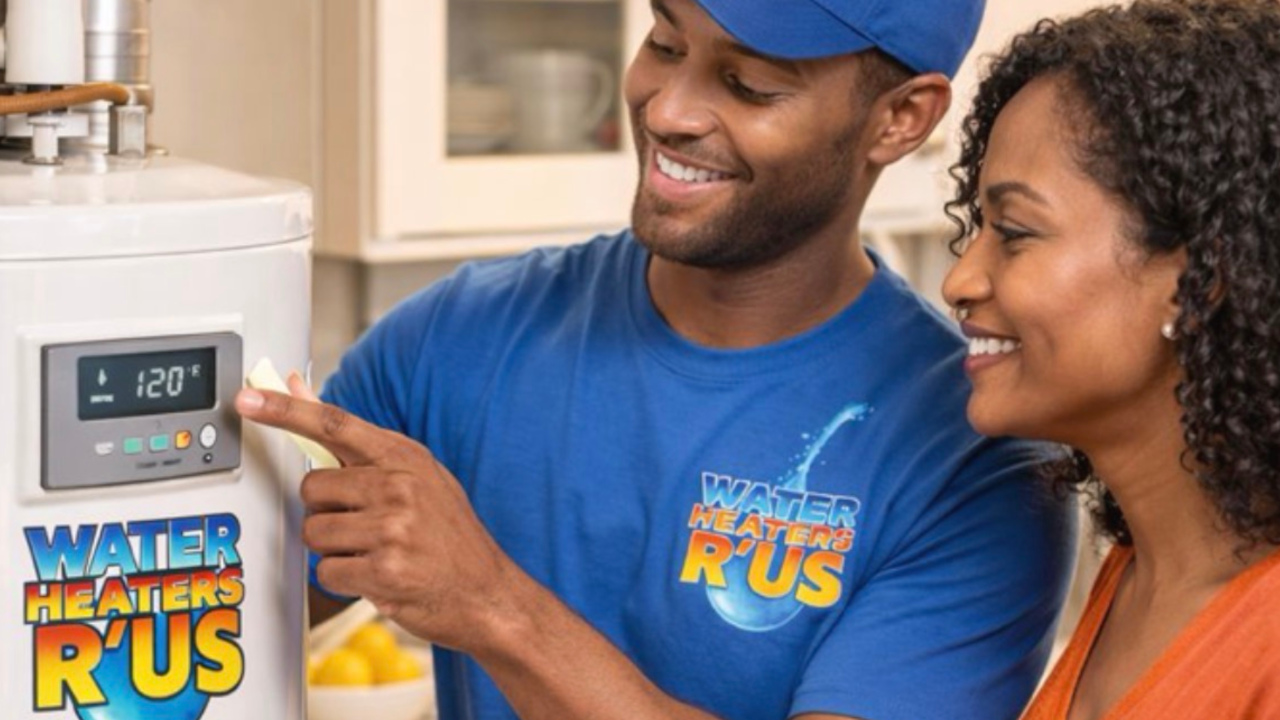
- Lower the Thermostat: Once you've optimized your timer, consider lowering your water heater's thermostat setting by a few degrees (e.g., from 140°F to 120°F). Most households don't need water hotter than 120°F for comfort and safety, and every degree makes a difference in energy use.
- Insulate Your Tank and Pipes: For older electric water heaters, an insulation blanket can further reduce standby heat loss. Insulating the first few feet of hot water pipes leaving the tank also helps retain heat.
- Utilize Vacation Mode: If you're heading out of town for an extended period, remember to use your water heater's vacation mode or simply turn off the timer completely. There's no need to heat water for an empty house!
When to Call the Pros at Water Heaters R Us
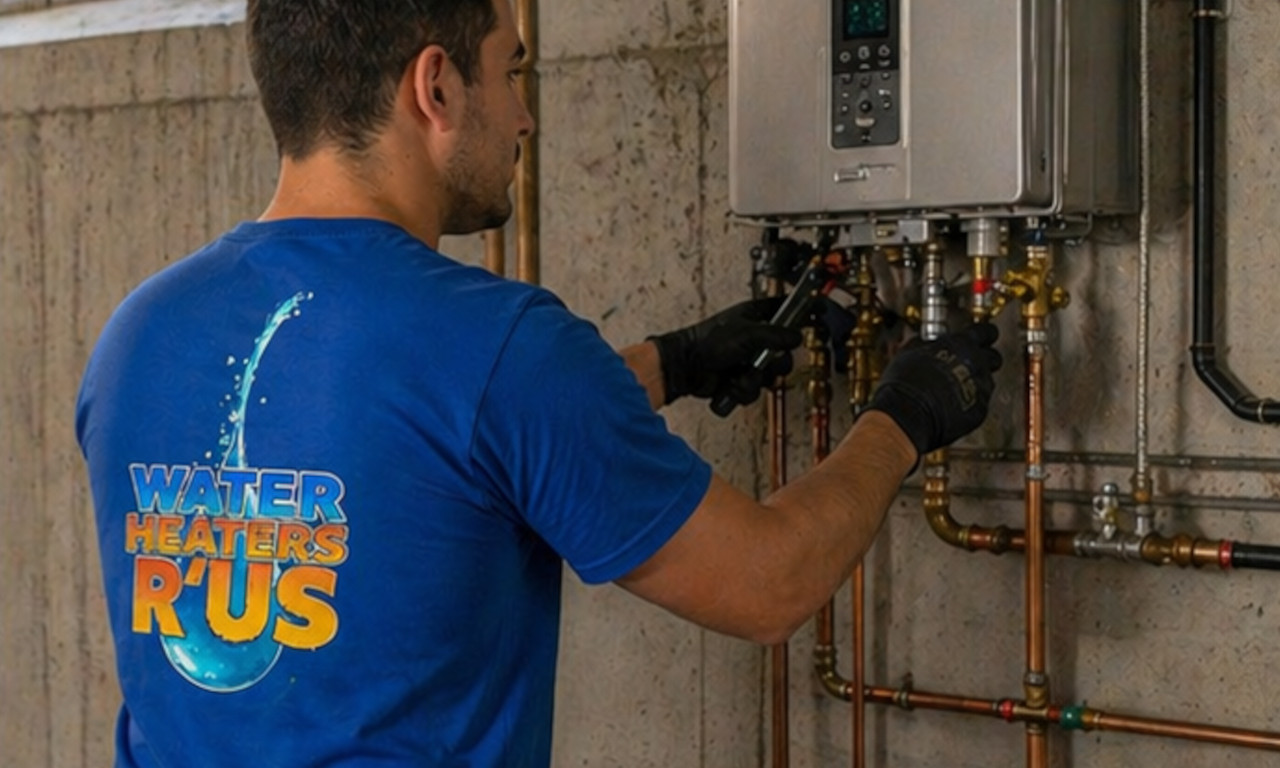
While setting a timer might seem straightforward, sometimes professional assistance is invaluable. If you're unsure about installing an external timer, need help troubleshooting your current unit, or are considering upgrading to a high-efficiency tankless water heater, the experts at Water Heaters R Us are here to help. We can assess your current system, recommend the best solutions for your home, and ensure everything is installed safely and correctly.
We proudly serve homeowners throughout Hamilton, Ancaster, Dundas, Stoney Creek, Burlington, Grimsby, Waterdown, Binbrook, Oakville, Milton, Brantford, and Caledonia, offering reliable and professional water heater and water softener services.
Ready to Start Saving?
Optimizing your water heater with a timer is one of the easiest and most effective ways to reduce your home's energy consumption and save money. Coupled with regular maintenance and potentially a water softener, you can significantly enhance your home's efficiency and comfort.
Don't let your water heater be an unseen energy drain any longer. Take control of your energy use this spring and enjoy the benefits for years to come. For expert advice, installation, or any water heater and water softener needs, reach out to Water Heaters R Us today!
Call us at 905-679-9420 or visit waterheatersrus.ca to schedule a service or consultation.
Need a Water Heater?
Same-day installation, professional service, and flexible rent-to-own options across Hamilton and surrounding areas.
Call 905-679-9420