Insulating Your Water Heater Tank: Does It Really Help?
As spring breathes new life into Hamilton and surrounding communities, many homeowners turn their attention to home improvements and optimizing energy efficiency. With warmer days ahead, it’s a great time to ensure your home runs as smoothly and economically as possible. One question that often comes up is about the unsung hero of your home comfort: your water heater. Specifically, 'Does insulating my water heater tank really help?'
It's a valid question, and one we at Water Heaters R Us hear frequently. The short answer is often a resounding 'yes,' but with some important nuances. Let’s dive into why insulating your water heater can be a smart move for homeowners in Ancaster, Dundas, Stoney Creek, Burlington, and beyond, and how it can contribute to a more efficient and comfortable home.
The Unseen Energy Drain: Standby Heat Loss
Your water heater works tirelessly, day in and day out, to provide you with hot water on demand. Whether you’re washing dishes, doing laundry, or enjoying a relaxing shower, that hot water is always ready. However, maintaining that hot water temperature, even when you’re not using it, consumes energy. This phenomenon is known as 'standby heat loss.'
Think of it like a thermos. A good thermos keeps your coffee hot for hours because it’s well-insulated. Your water heater tank, especially an older model, might not be as well-insulated as you think. Heat naturally escapes through the tank walls into the cooler surrounding air, forcing your unit to cycle on more frequently to reheat the water. This constant reheating adds up on your energy bill.
Who Benefits Most from Water Heater Insulation?
While almost any homeowner with a conventional storage tank water heater can see some benefit from insulation, certain situations offer the most significant returns:
- Older Water Heaters: Tanks manufactured before 2004 often have less internal insulation than newer models. If your water heater is more than 10-15 years old, adding an insulation blanket can make a substantial difference.
- Electric Water Heaters: These units tend to lose more heat through their tank walls than gas models. Insulating an electric water heater can yield impressive energy savings.
- Water Heaters in Unheated Spaces: Is your water heater located in a cold basement, an unheated garage, or a utility closet that gets chilly? The greater the temperature difference between the water in the tank and the surrounding air, the more heat loss occurs. Insulating in these environments is highly recommended.
- High Hot Water Demand: If your household uses a lot of hot water, your water heater works harder. Reducing standby heat loss means it doesn't have to work *as* hard between uses.
Note: Newer, high-efficiency water heaters (especially those with an energy factor of 0.70 or higher) often come with excellent factory insulation and may not require or even benefit much from additional insulation. In some cases, adding a blanket to a unit that doesn't need it could even hinder its efficiency or void its warranty. Always check your owner's manual or consult with a professional.
The Advantages of an Insulated Water Heater Tank
Beyond the simple answer, let's explore the tangible benefits for your Hamilton home:
- Significant Energy Savings: This is the primary driver. By reducing heat loss, your water heater cycles on less frequently, consuming less electricity or natural gas. The U.S. Department of Energy estimates that insulating your water heater can save 4%-9% on water heating costs. Over a year, this can translate into noticeable savings on your utility bills, especially as energy costs continue to fluctuate.
- Extended Lifespan of Your Unit: When your water heater doesn't have to work as hard to maintain temperature, there's less wear and tear on its components. This reduced stress can potentially extend the life of your appliance, delaying the need for costly repairs or premature replacement.
- Faster Hot Water Recovery: While insulation doesn't make water heat up faster initially, it helps maintain the heat more effectively. This means that after periods of heavy use, your tank might recover its full hot water supply slightly quicker because less heat has escaped.
- Reduced Carbon Footprint: Using less energy means burning fewer fossil fuels, which contributes to a smaller environmental impact. For environmentally conscious homeowners in Burlington and Oakville, this is an added bonus.
Before You Insulate: Important Considerations for Safety
While insulating your water heater is a relatively straightforward DIY project for some, safety is paramount. Here’s what you need to know:
- Type of Water Heater:
- Electric Water Heaters: Generally safe to insulate.
- Gas or Propane Water Heaters: Requires extreme caution. You MUST NOT block the thermostat, temperature/pressure relief valve, or the air intake vents at the bottom or the draft hood/flue at the top. Blocking these can create a fire hazard or lead to carbon monoxide poisoning. Leave ample space (at least 2 inches) around the burner compartment and flue.
- Tankless Water Heaters: Do not require tank insulation as they heat water on demand and do not store it.
- Check Your Owner's Manual: Always consult your water heater’s manual. Some manufacturers explicitly advise against adding external insulation, particularly for newer, high-efficiency models. Doing so could void your warranty.
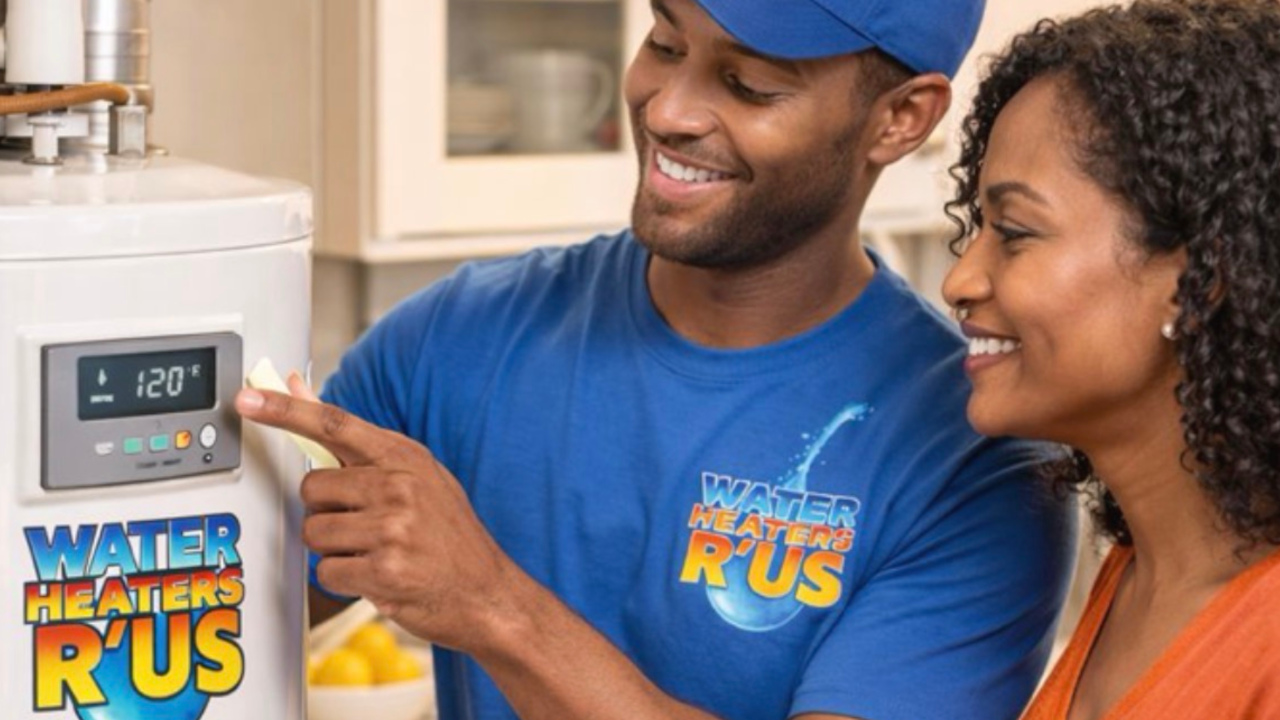
- Thermostat Settings: Before insulating, ensure your water heater's thermostat is set to a safe and efficient temperature, typically around 120°F (49°C). Higher temperatures increase standby heat loss and pose a scalding risk.
How to Insulate Your Water Heater Tank (A Step-by-Step Guide)
If you've determined that insulating your water heater is a good idea for your home in Grimsby or Waterdown, here’s a general guide. Remember, if you're ever unsure, it's best to call a professional.
- Purchase an Insulation Blanket Kit: These are readily available at most home improvement stores. Look for one with an R-value of at least R-8. The kit usually includes the blanket, tape, and instructions.
- Turn Off Power/Gas: For electric units, turn off the circuit breaker. For gas units, turn the gas valve to the 'pilot' setting or 'off' if you're doing more extensive work. This is crucial for safety.
- Measure and Cut: Measure the height and circumference of your tank. Carefully cut the blanket to fit, ensuring you cut out openings for the temperature/pressure relief valve, the drain valve, the thermostat (for electric models), and any warning labels. For gas heaters, leave at least 2 inches of clearance at the top and bottom to avoid blocking air vents and the draft hood.
- Wrap the Tank: Starting from the back, wrap the blanket snugly around the tank. Secure it with the provided tape. Ensure no controls, valves, or pipes are covered.
- Insulate Hot Water Pipes (Optional but Recommended): For even greater efficiency, consider insulating the first 6 feet of hot and cold water pipes connected to the tank using foam pipe insulation sleeves. This prevents heat loss where it's most common.
- Restore Power/Gas: Once everything is securely in place and you've double-checked all safety clearances, restore power or gas to your water heater.
Beyond the Blanket: Other Hot Water Savings Tips
Insulating your tank is just one piece of the puzzle. For comprehensive hot water efficiency in your Binbrook or Caledonia home, consider these additional tips:
- Lower Your Thermostat: As mentioned, 120°F is usually sufficient for most households and helps prevent scalding.
- Fix Leaks Promptly: Even a small drip from a hot water tap can waste gallons of heated water over time.
- Install Low-Flow Fixtures: Low-flow showerheads and faucet aerators significantly reduce the amount of hot water used without sacrificing comfort.
- Consider a Water Softener: Hard water, common in many parts of Ontario, can lead to mineral buildup (scale) inside your water heater. This scale acts as an insulator, reducing the heater's efficiency and lifespan. A whole-home water softener from Water Heaters R Us can prevent this buildup, ensuring your water heater operates at peak efficiency and lasts longer.
- Upgrade to an Energy-Efficient Model: If your water heater is old and consistently underperforming, it might be time to consider an upgrade to a newer, more efficient conventional or tankless water heater.
When It's Time for a Professional Opinion
While DIY insulation can be effective, sometimes a deeper issue is at play. If you're constantly running out of hot water, your energy bills are unusually high, or your water heater is showing signs of age (leaks, rust, strange noises), it’s time to call in the experts. The team at Water Heaters R Us is always ready to help Hamilton homeowners diagnose issues, recommend the best solutions, and ensure your hot water system is safe and efficient.
Water Heaters R Us: Your Trusted Local Experts
As your trusted local experts, Water Heaters R Us understands the unique plumbing and water heating needs of homes across Hamilton and the surrounding areas. Whether you need advice on insulating your current tank, are considering a new water heater installation, or require professional water softener services, our licensed and experienced technicians are here to provide reliable, friendly, and efficient service.
We proudly serve homeowners in Hamilton, Ancaster, Dundas, Stoney Creek, Burlington, Grimsby, Waterdown, Binbrook, Oakville, Milton, Brantford, and Caledonia. Let us help you make your home more comfortable and energy-efficient this spring.
Ready to Boost Your Home's Hot Water Efficiency?
Don't let standby heat loss drain your wallet. Whether you're considering insulating your water heater or exploring other energy-saving solutions, the experts at Water Heaters R Us are just a call or click away. We’re here to ensure your home has reliable, efficient hot water when you need it most.
Contact Water Heaters R Us today for expert advice and service!
Call us at 905-679-9420 or visit waterheatersrus.ca
Need a Water Heater?
Same-day installation, professional service, and flexible rent-to-own options across Hamilton and surrounding areas.
Call 905-679-9420