Gas vs. Electric Water Heaters: Hamilton Homeowner's Guide
Ah, spring in Hamilton! As the days get longer and the flowers start to bloom, many of us turn our thoughts to home improvements and ensuring everything is running smoothly. While you might be planning your garden or tackling that long-awaited declutter, it's also a perfect time to consider the unsung hero of your home comfort: your water heater.
For homeowners across Hamilton, Ancaster, Dundas, and beyond, one of the most common dilemmas when it comes to hot water is choosing between a gas and an electric water heater. Both have their unique advantages and disadvantages, and what’s best for one home might not be ideal for another. At Water Heaters R Us, we believe an informed decision is the best decision. Let’s dive into the pros and cons of each, helping you navigate this important choice for your Golden Horseshoe home.
Understanding Your Options: Gas Water Heaters
Gas water heaters typically use natural gas (or sometimes propane) to heat water in a storage tank. They’re a popular choice, especially in areas with readily available natural gas lines.
Pros of Gas Water Heaters:
- Faster Recovery Rate: Gas water heaters are renowned for their ability to heat water quickly. If you have a large family or frequently use a lot of hot water (think multiple showers, laundry, and dishwasher running simultaneously), a gas unit can replenish your hot water supply much faster than an electric model. This means less waiting for the next hot shower!
- Lower Operating Costs (Historically): While energy prices fluctuate, natural gas has historically been a more affordable fuel source than electricity in Ontario. This can translate to lower monthly utility bills, especially for homes with high hot water demand.
- Reliability During Power Outages: Most standard gas water heaters don't rely on electricity to operate, meaning you'll still have hot water even if the power goes out. This can be a significant advantage during Hamilton’s occasional winter storms or spring squalls.
- Good for Larger Homes: Their efficiency in heating large volumes of water makes them an excellent fit for bigger households or homes with multiple bathrooms.
Cons of Gas Water Heaters:
- Higher Upfront Cost: Generally, the initial purchase and installation cost of a gas water heater can be higher than an electric model. This is especially true if you need to extend a gas line or install venting.
- Requires Venting: Gas combustion produces byproducts that need to be safely vented outside your home. This means requiring a chimney or a dedicated vent pipe, limiting installation flexibility and adding to installation complexity.
- Safety Concerns: While modern gas water heaters are very safe, they do carry a small risk of carbon monoxide leaks if not properly installed or maintained. Regular professional checks are crucial.
- Less Flexible Placement: Due to the need for gas lines and venting, gas water heaters must be installed in specific locations, often in basements, utility closets, or garages.
Understanding Your Options: Electric Water Heaters
Electric water heaters use electrical heating elements to warm the water stored in their tanks. They are often found in homes where natural gas isn't available or where homeowners prefer an electric appliance.
Pros of Electric Water Heaters:
- Lower Upfront Cost: Electric water heaters typically have a lower purchase price and can be less expensive to install, especially if your home already has the necessary electrical setup.
- Easier Installation & More Flexible Placement: Without the need for gas lines or venting, electric water heaters can be installed in more locations within your home – basements, utility rooms, closets, or even garages, provided there's adequate electrical service.
- Safer Operation: Since there's no combustion, there's no risk of carbon monoxide leaks or gas explosions. This makes them a very safe option for many homeowners.
- Often More Compact: Some electric models offer more compact designs, which can be advantageous in smaller homes or apartments.
Cons of Electric Water Heaters:
- Slower Recovery Rate: Electric elements generally take longer to heat water compared to gas burners. If your household has high, consecutive hot water demands, you might experience a cold shower or two.
- Higher Operating Costs (Historically): Depending on current electricity rates in Ontario, electric water heaters can be more expensive to operate monthly than gas models, especially for high-usage households.
- Requires Dedicated Electrical Circuit: Older homes might need an electrical panel upgrade to accommodate the higher amperage required by an electric water heater, adding to installation costs.
- No Hot Water During Power Outages: As they rely entirely on electricity, an electric water heater will not provide hot water during a power outage.
Key Factors to Consider for Your Hamilton Home
Choosing between gas and electric isn't just about pros and cons; it's about what makes the most sense for your specific situation as a homeowner in Hamilton, Burlington, or Waterdown.
1. Energy Costs & Efficiency
Keep an eye on current and projected natural gas and electricity rates in Ontario. While gas has historically been cheaper, energy markets can shift. Also, consider the energy factor (EF) or Uniform Energy Factor (UEF) rating of the unit – higher numbers mean greater efficiency, saving you money in the long run.
2. Hot Water Demand
How many people live in your home? How often do you run the dishwasher or laundry? Do you enjoy long showers? A larger family with simultaneous hot water needs will benefit more from a gas unit's faster recovery, while smaller households might find an electric unit perfectly adequate.
3. Existing Infrastructure
Do you already have a natural gas line to your home? Is your electrical panel up to code for a new electric water heater? Installing new lines or upgrading electrical service can significantly impact total costs.
4. Space and Location
Consider where the water heater will be placed. If space is tight or venting options are limited, an electric unit offers greater flexibility. If you have a dedicated utility room with existing gas and venting, a gas unit might be straightforward.
5. Water Quality & Water Softeners
This is a crucial, often overlooked factor! Hamilton and many surrounding areas are known for having hard water. Hard water contains minerals like calcium and magnesium that can build up inside your water heater tank and on heating elements (for electric units). This mineral buildup, known as scale, significantly reduces your water heater's efficiency, forcing it to work harder and increasing your energy bills. It also shortens the lifespan of your unit, regardless of whether it's gas or electric.
Installing a water softener is an excellent investment that protects your water heater, plumbing, and other appliances from the damaging effects of hard water. It can extend the life of both gas and electric water heaters, maintain their efficiency, and improve the overall quality of water in your home. At Water Heaters R Us, we also specialize in water softener installation and maintenance, ensuring your entire home comfort system is optimized.
6. Environmental Impact
If minimizing your carbon footprint is a priority, consider the source of your energy. Electricity in Ontario is increasingly generated from renewable and nuclear sources, which can make electric water heaters a greener choice depending on your local grid's energy mix. Natural gas, while a fossil fuel, burns cleaner than some alternatives.
Spring Maintenance: Keeping Your Water Heater Happy
No matter which type you choose, regular maintenance is key to efficiency and longevity. Spring is an ideal time for a water heater check-up. Here’s some actionable advice:
- Drain and Flush the Tank: This removes sediment buildup, which is especially important in areas with hard water. Sediment reduces efficiency and can corrode the tank.
- Check the Anode Rod: This "sacrificial" rod protects your tank from corrosion. It should be inspected every few years and replaced when significantly depleted.
- Test the Pressure Relief Valve: This crucial safety device prevents excessive pressure buildup in the tank.
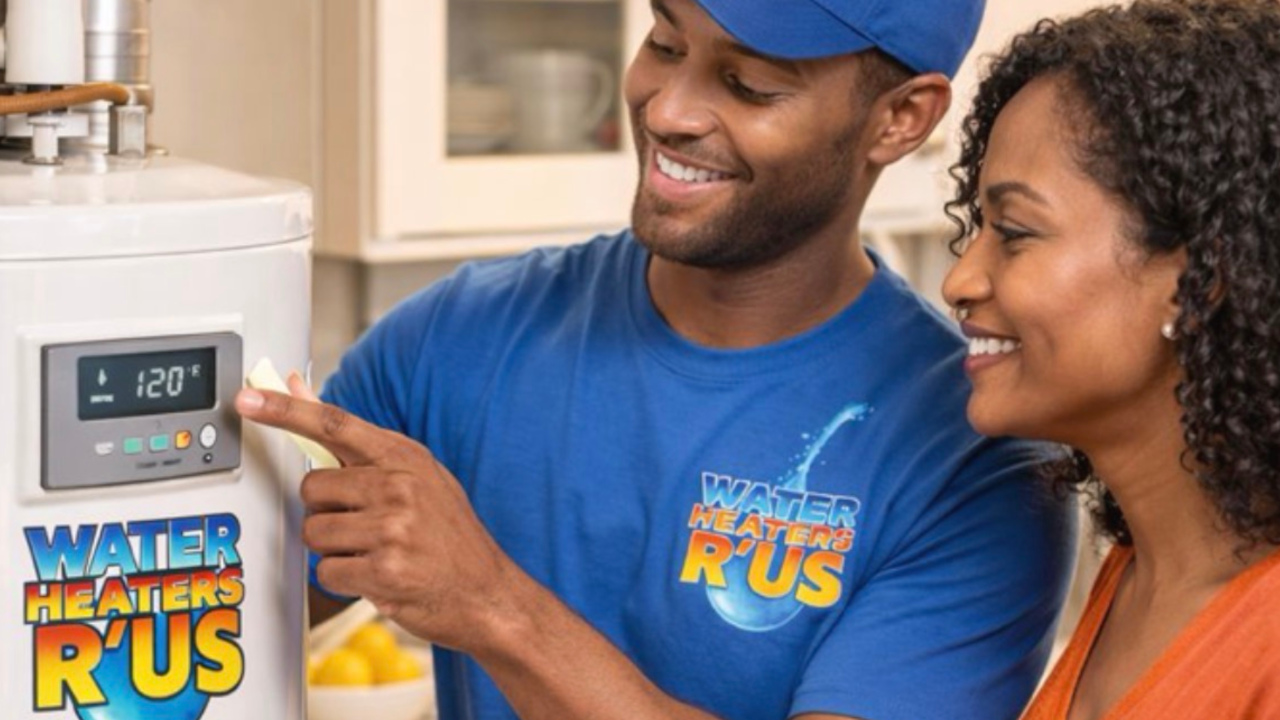
- Adjust Temperature Settings: Most experts recommend setting your water heater to 120°F (49°C) for efficiency and safety.
- Insulate Pipes: Insulating the first few feet of hot and cold water pipes connected to your water heater can reduce heat loss and improve efficiency.
These tasks can be performed by a homeowner, but for a thorough and professional inspection, especially for gas units, it's always best to call in the experts. Our team at Water Heaters R Us offers comprehensive maintenance services for all types of water heaters.
Making the Right Choice with Water Heaters R Us
Whether you're replacing an old unit or installing a new one in a home across Oakville, Milton, Brantford, or Grimsby, the decision between a gas and electric water heater is significant. It impacts your comfort, utility bills, and even your home's value. There's no single "best" option; the ideal choice depends on your family's needs, budget, and home's existing setup.
We encourage you to consider all these factors carefully. If you’re still weighing your options or need expert advice tailored to your Hamilton-area home, don't hesitate to reach out to the trusted professionals at Water Heaters R Us. We're here to help you understand your options, assess your home's specific requirements, and provide professional installation and service, ensuring you have reliable, efficient hot water for years to come.
Ready for Reliable Hot Water?
Don't let water heater worries dampen your spring! For expert advice, installation, or service on gas and electric water heaters, water softeners, and all your plumbing needs in Hamilton, Ancaster, Dundas, Stoney Creek, Burlington, Grimsby, Waterdown, Binbrook, Oakville, Milton, Brantford, and Caledonia, contact Water Heaters R Us today!
Call us at 905-679-9420 or visit our website at waterheatersrus.ca to schedule a consultation.
Need a Water Heater?
Same-day installation, professional service, and flexible rent-to-own options across Hamilton and surrounding areas.
Call 905-679-9420