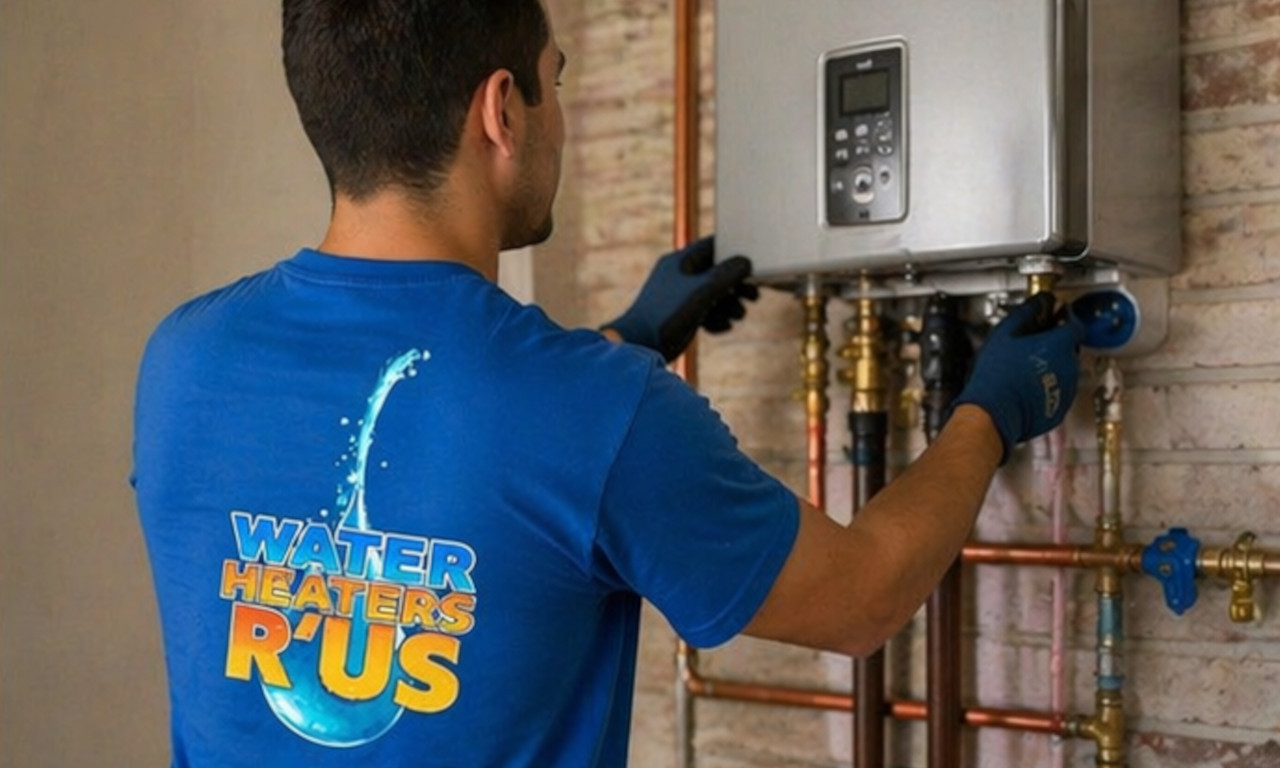
DIY Water Heater Flush: A Hamilton Homeowner's Spring Guide
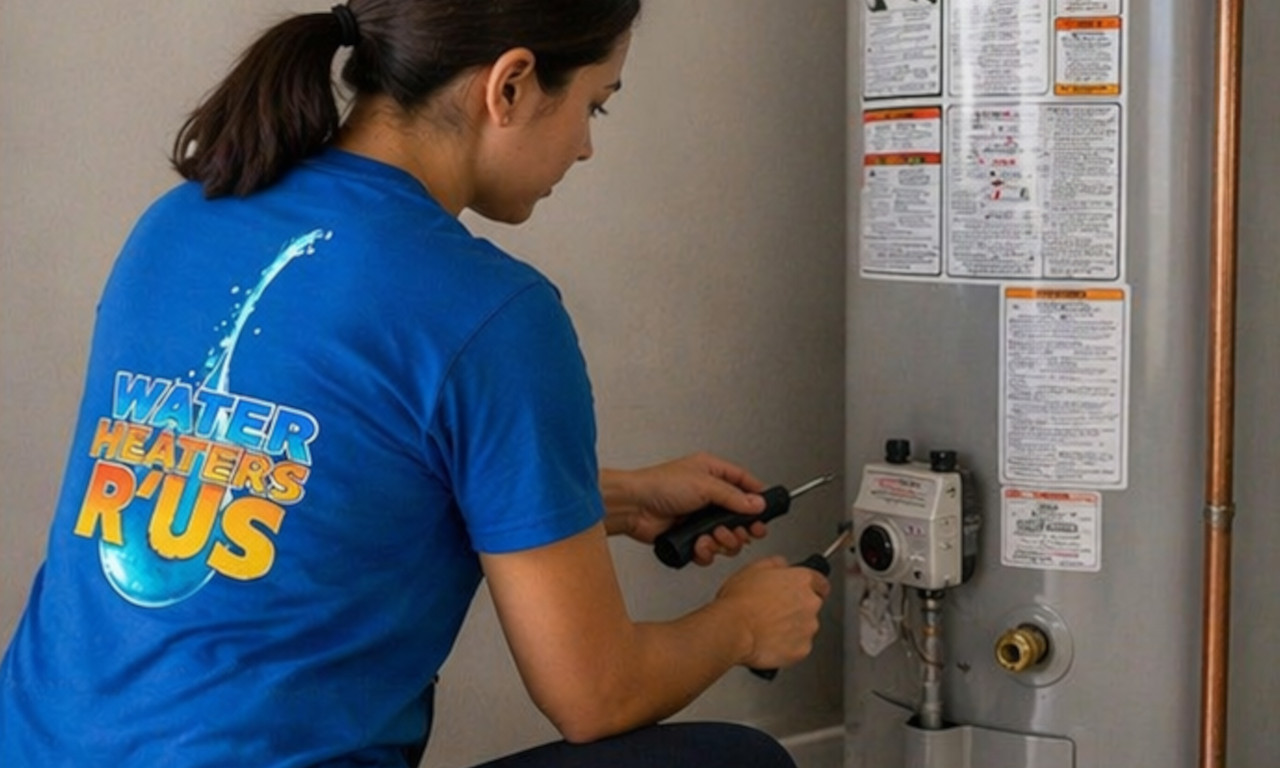
As the vibrant colours of spring bloom across Hamilton and the surrounding communities of Ancaster, Dundas, and Stoney Creek, our thoughts often turn to spring cleaning and home maintenance. While you're tackling those seasonal chores, there's one vital task that often gets overlooked but can significantly impact your home's comfort and energy bills: flushing your water heater tank. Here at Water Heaters R Us, we believe in empowering Ontario homeowners with the knowledge to maintain their essential home systems. This guide will walk you through the simple, yet crucial, process of flushing your water heater, ensuring you have reliable, efficient hot water all year long.
Why Flushing Your Water Heater is Essential for Ontario Homes
Many homeowners in Hamilton, Burlington, Grimsby, and beyond are familiar with the concept of hard water. Our municipal water supplies, while safe, often contain elevated levels of minerals like calcium and magnesium. Over time, these minerals, along with rust particles and other debris, settle at the bottom of your hot water tank, forming a layer of sediment.
This sediment buildup acts as an insulating barrier between the burner or heating elements and the water, forcing your water heater to work harder and longer to heat the water. What does this mean for you? Higher energy bills, reduced hot water capacity, and a noisy water heater that sounds like it's rumbling or popping. If left unchecked, this sediment can also corrode the tank, leading to premature failure and costly replacements. Flushing your water heater annually, especially during a seasonal maintenance push like spring, is the best way to combat these issues and extend the life of your unit.
Signs Your Water Heater Needs a Flush
Not sure if your hot water tank is suffering from sediment buildup? Keep an eye (or ear) out for these common indicators:
- Rumbling or Popping Noises: These sounds are often caused by sediment at the bottom of the tank heating and boiling, creating trapped air pockets that escape.
- Reduced Hot Water Supply: Sediment takes up space, reducing the amount of hot water your tank can hold.
- Murky or Rusty Water: If the hot water from your tap appears discoloured, especially after not being used for a while, it could be sediment or rust inside the tank.
- Higher Energy Bills: An inefficient water heater has to work harder, leading to increased energy consumption.
Gather Your Tools: What You'll Need
Before you begin, ensure you have these simple tools readily available:
- A garden hose (long enough to reach a drain or outdoor area).
- A bucket (for checking water clarity).
- Work gloves and safety glasses (recommended for protection).
- A flathead screwdriver or socket wrench (if your drain valve requires it).
- A towel or old rags (for potential spills).
Step-by-Step Guide: How to Flush Your Water Heater Tank Safely
Follow these instructions carefully to ensure a safe and effective flush. If you're ever unsure or uncomfortable with any step, remember that professional help from Water Heaters R Us is just a call away in Waterdown, Binbrook, Oakville, and across our service area.
Step 1: Safety First! Turn Off Power/Gas to the Water Heater
- For Electric Water Heaters: Go to your home's electrical panel and flip the circuit breaker labelled for your water heater to the
Need a Water Heater?
Same-day installation, professional service, and flexible rent-to-own options across Hamilton and surrounding areas.
Call 905-679-9420