Descaling Your Tankless Water Heater: A Hamilton Homeowner's Guide
Spring is here in Hamilton, Ancaster, and throughout the Golden Horseshoe! As we shake off the last vestiges of winter and look forward to warmer days, many homeowners turn their attention to spring cleaning and essential home maintenance. While you might be focusing on decluttering or gardening, there's one critical task that often gets overlooked but can significantly impact your home's comfort and energy efficiency: descaling your tankless water heater.
At Water Heaters R Us, we know that reliable hot water is a cornerstone of modern living. Tankless water heaters are fantastic for their on-demand hot water supply and energy savings, but they require a specific type of care to keep them running at their best. Due to the hard water conditions prevalent in many parts of Ontario, including Hamilton, Burlington, Oakville, and surrounding areas like Stoney Creek and Grimsby, limescale buildup is a common enemy of these efficient systems.
What is Limescale and Why is it a Problem for Your Tankless Heater?
To understand why descaling is so important, let's talk about limescale. Our local water, while perfectly safe to drink, often contains a high concentration of dissolved minerals, primarily calcium and magnesium. This is what we refer to as 'hard water.' When hard water is heated, these minerals precipitate out and form a hard, chalky deposit known as limescale. You might have seen it as white residue on faucets, showerheads, or in your kettle.
In a tankless water heater, these mineral deposits can accumulate on the heat exchanger, the component responsible for rapidly heating your water. Even a thin layer of scale acts as an insulator, making it harder for your unit to transfer heat efficiently. This means your tankless water heater has to work much harder and consume more energy to achieve the desired water temperature. Over time, severe scale buildup can:
- Reduce hot water flow rates.
- Cause inconsistent water temperatures.
- Lead to higher energy bills.
- Increase wear and tear on components, potentially shortening the lifespan of your unit.
- Result in costly repairs or even premature replacement.
Regular descaling is the preventative medicine your tankless system needs to stay healthy and efficient.
The Benefits of Regular Tankless Water Heater Descaling
Performing this simple maintenance task brings a host of benefits:
- Restored Efficiency: Your unit will heat water faster and use less energy, putting money back in your pocket.
- Consistent Hot Water: Say goodbye to unexpected cold showers! Descaling ensures a steady supply of hot water.
- Extended Lifespan: By preventing strain on components, you're helping your expensive appliance last for many years to come.
- Reduced Repair Costs: Proactive maintenance is always cheaper than reactive repairs.
- Peace of Mind: Knowing your system is running optimally provides comfort and reliability.
When Should You Descale Your Tankless Water Heater?
The frequency of descaling depends largely on the hardness of your water and your household's hot water usage. For most homes in our service areas like Dundas, Waterdown, Binbrook, or Milton, an annual descaling is a good baseline. If you know your water is particularly hard (you can often find this information from your municipal water provider) or if you notice any of the signs of scale buildup mentioned above, you might consider descaling every six months.
Your Step-by-Step Guide to Descaling a Tankless Water Heater (DIY or Professional)
While descaling can be a DIY project for the confident homeowner, it's crucial to follow safety guidelines and specific instructions for your unit. If you ever feel uncomfortable, remember that professional help is just a phone call away.
What You'll Need:
- A descaling kit (often sold by water heater manufacturers) or a submersible pump.
- Two washing machine hoses or similar flexible hoses.
- A 5-gallon bucket.
- A descaling solution (food-grade white vinegar or a specialized descaling chemical, often citric acid-based).
- A Phillips head screwdriver (for some models).
- Towels for spills.
DIY Descaling Steps:
- Safety First: Turn Off Power/Gas & Water: Locate your tankless water heater. Turn off the electrical power to the unit at your breaker box or unplug it. If it's a gas unit, turn off the gas supply valve. Next, close the main cold water supply valve leading into the tankless heater and the hot water outlet valve leaving the heater.
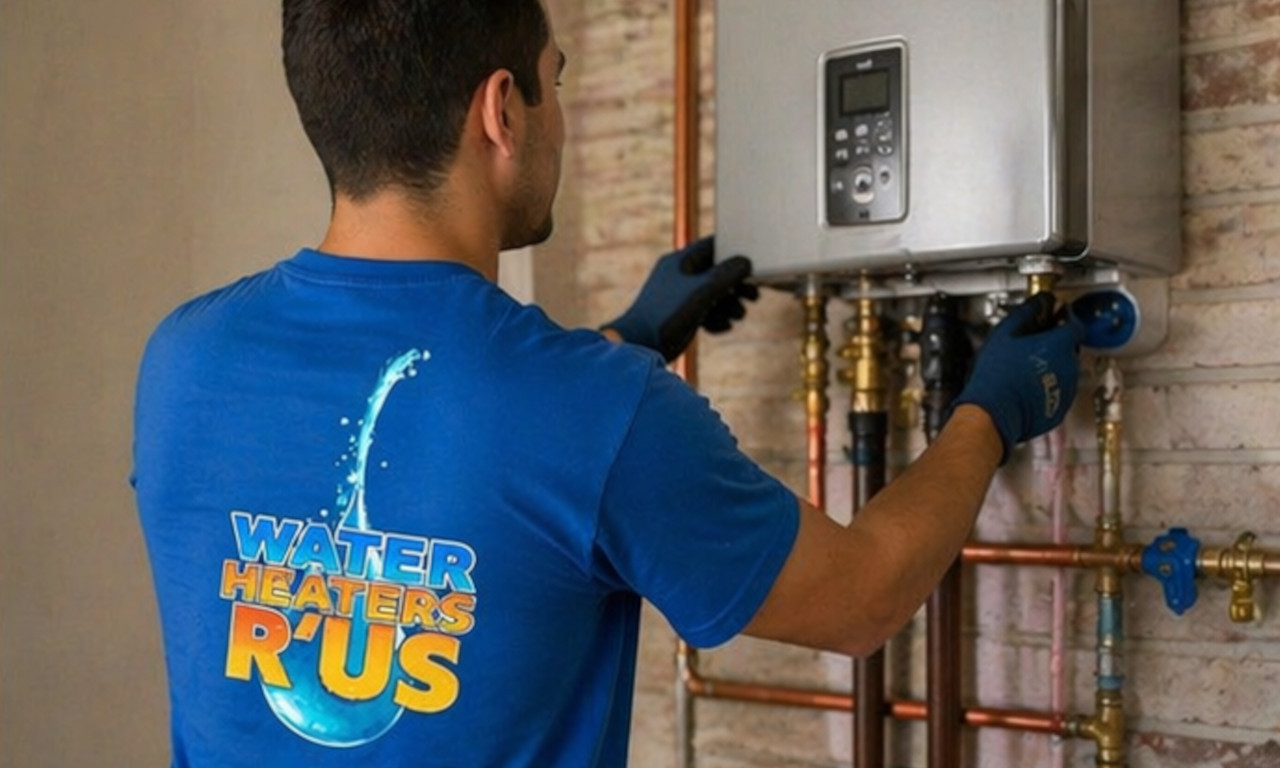
- Locate Service Ports: Most tankless water heaters have two service ports (often capped) at the bottom – one for hot water out and one for cold water in. They usually have a valve that can be opened or closed with a flathead screwdriver or by hand.
- Attach Hoses & Open Purge Valves: Connect one hose to the cold water inlet service port and the other hose to the hot water outlet service port. Place the other ends of both hoses into your empty 5-gallon bucket. Open the purge valves on both service ports (they might be small knobs or levers).
- Drain Residual Water: Allow any residual water in the unit to drain into the bucket. This might only be a small amount.
- Prepare Descaling Solution: Pour your descaling solution (e.g., 2-3 gallons of white vinegar) into the 5-gallon bucket. Ensure the ends of both hoses are submerged in the solution.
- Set Up the Pump: Place your submersible pump into the bucket with the descaling solution. Connect the hose from the hot water outlet service port to the discharge side of your pump. The hose from the cold water inlet service port should be left in the bucket to complete the circulation loop.
- Circulate the Solution: Plug in the submersible pump. The pump will draw the descaling solution from the bucket, push it through the hot water outlet, circulate it through the tankless heater, and return it to the bucket via the cold water inlet hose. Let this solution circulate for approximately 45-60 minutes. This allows the acid to dissolve the limescale.
- Flush the System: After circulation, unplug the pump. Disconnect the hose from the pump and from the hot water outlet service port. Close the purge valves on both service ports. Open the main cold water supply valve leading into the tankless heater. Let fresh cold water run through the unit and out the hot water outlet hose into the bucket for 5-10 minutes to thoroughly flush out any remaining descaling solution and loosened scale.
- Reconnect and Restart: Close the cold water supply valve. Disconnect the remaining hoses from the service ports. Replace the service port caps. Re-open the main cold water supply valve and the hot water outlet valve. Turn the power (and gas, if applicable) back on to your tankless water heater.
- Check for Leaks: Run a hot water tap in your home and check the water heater for any leaks.
When to Call a Professional for Descaling
While DIY descaling is possible, many homeowners in Brantford, Caledonia, and across our service area prefer the peace of mind that comes with professional service. If you're unsure about any step, don't have the right tools, or simply don't have the time, it's always best to call a qualified plumber. A professional can also inspect your unit for other potential issues and ensure everything is functioning safely and efficiently. Water Heaters R Us technicians are experts in tankless water heater maintenance and can handle the descaling process quickly and effectively, ensuring your unit is in top shape.
Preventing Future Buildup: The Role of Water Softeners
Descaling is essential maintenance, but what if you could significantly reduce the rate of limescale buildup? That's where a water softener comes in. A whole-home water softener removes the minerals that cause hard water before they even enter your plumbing system, including your tankless water heater. This not only protects your water heater but also your other appliances (dishwasher, washing machine), plumbing fixtures, and even makes your soap more effective!
For homeowners in areas with notoriously hard water, like much of Southern Ontario, installing a water softener is a smart long-term investment. Water Heaters R Us offers expert installation of high-quality water softeners, providing a comprehensive solution to your hard water woes and extending the life of all your water-using appliances.
Spring into Action: Comprehensive Plumbing Care
As part of your spring home maintenance checklist, consider a broader look at your plumbing. Beyond descaling your tankless water heater, it's a great time to:
- Check for leaky faucets or running toilets.
- Inspect visible pipes for any signs of corrosion or drips.
- Clean out drains to prevent clogs.
- Consider a professional plumbing inspection to catch small issues before they become big problems.
Why Choose Water Heaters R Us for Your Tankless Water Heater Needs?
Whether you need a new tankless water heater installation, professional descaling, or expert advice on water softeners, Water Heaters R Us is your trusted local partner. We've been serving homeowners in Hamilton, Ancaster, Dundas, Stoney Creek, Burlington, Grimsby, Waterdown, Binbrook, Oakville, Milton, Brantford, and Caledonia for years, providing reliable service, expert advice, and transparent pricing.
Our team of licensed and experienced plumbers understands the unique challenges of Ontario's water conditions and is dedicated to ensuring your home's hot water system runs flawlessly. Don't let limescale compromise your comfort or your energy bill.
Ready for Limescale-Free Hot Water?
Make descaling your tankless water heater a priority this spring. If you're ready to schedule professional descaling service, interested in learning more about water softeners, or have any other water heater or plumbing questions, don't hesitate to reach out to the experts at Water Heaters R Us.
Call us today at 905-679-9420 or visit our website at waterheatersrus.ca to schedule your service or request a consultation. We're here to keep your hot water flowing!
Need a Water Heater?
Same-day installation, professional service, and flexible rent-to-own options across Hamilton and surrounding areas.
Call 905-679-9420