Condensing vs Non-Condensing Tankless: Hamilton's Guide
Choosing the Right Tankless Water Heater: Condensing vs. Non-Condensing for Your Hamilton Home
As the vibrant colours of fall sweep across Hamilton, Ancaster, and the surrounding Golden Horseshoe, many homeowners are turning their thoughts towards preparing their homes for the colder months ahead. One crucial aspect of home comfort, especially when the temperatures drop, is a reliable and efficient source of hot water. If you're considering an upgrade from a traditional tank-style water heater, you've likely heard about the benefits of tankless models: endless hot water, reduced energy bills, and a smaller footprint. But the world of tankless heaters isn't a one-size-fits-all solution, and understanding the core differences between condensing and non-condensing tankless water heaters is essential for making the best choice for your Ontario home.
At Water Heaters R Us, we believe in empowering our Hamilton neighbours with the knowledge to make informed decisions about their home's plumbing and heating systems. Let's dive into the details of these two innovative technologies.
What is a Tankless Water Heater, Anyway?
Before we differentiate, let's quickly recap what makes a tankless water heater so revolutionary. Unlike conventional tank models that store and continuously heat a large reservoir of water, tankless units heat water on demand. When you turn on a hot water tap, cold water flows into the unit, a powerful burner ignites, and within moments, you have a continuous supply of hot water. This eliminates standby heat loss, a major energy drain with traditional tanks, and ensures you never run out of hot water, even during peak usage times.
Understanding Condensing Tankless Water Heaters
Condensing tankless water heaters represent the pinnacle of energy efficiency in the tankless world. Here's how they work and what makes them stand out:
How They Work
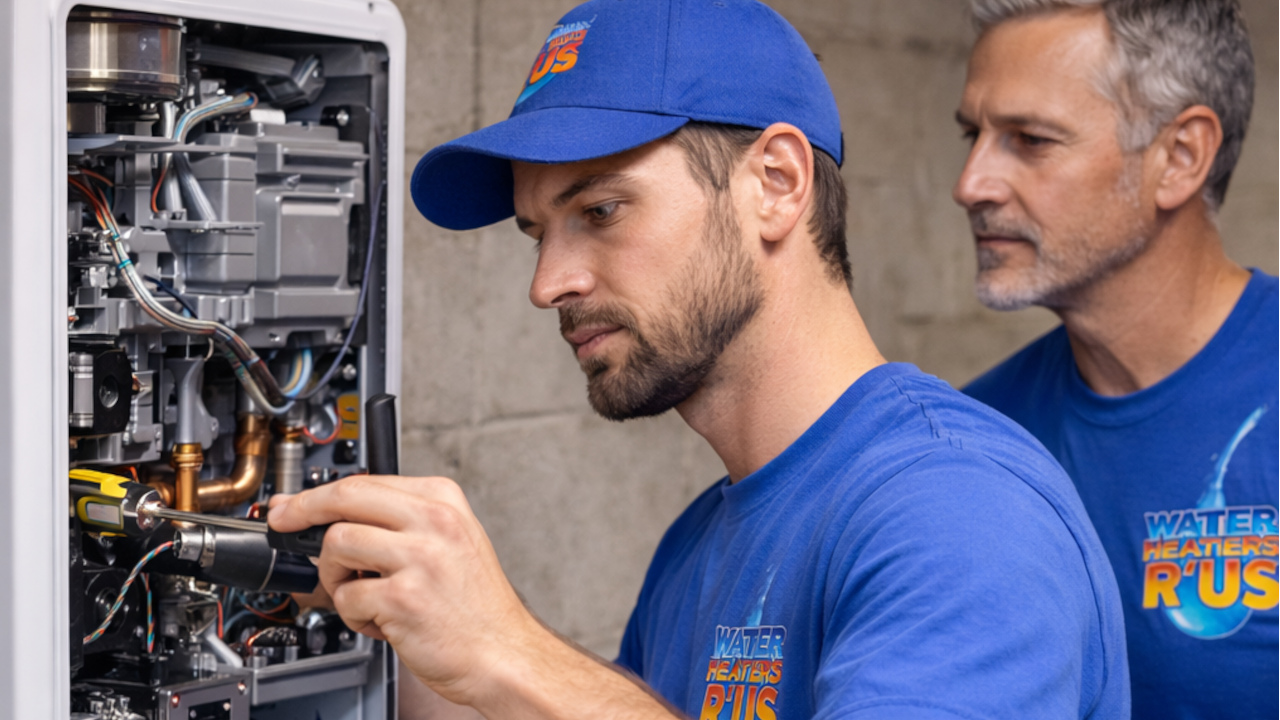
- Dual Heat Exchangers: The key differentiator is the presence of a secondary heat exchanger. After the primary heat exchanger heats the water, the hot exhaust gases, which would typically be vented directly outside in a non-condensing unit, are routed through a second heat exchanger.
- Condensation Process: This secondary exchanger captures additional heat from the exhaust gases, cooling them down significantly. As these gases cool, the water vapour within them condenses into liquid (hence the name
Need a Water Heater?
Same-day installation, professional service, and flexible rent-to-own options across Hamilton and surrounding areas.
Call 905-679-9420