Why Your Hot Water Runs Out Too Fast: Solutions for Hamilton Homes
There's nothing quite like the invigorating blast of a hot shower to start your day, or the comforting warmth of hot water for dishes after a family meal. That is, until the hot water suddenly gives out, leaving you shivering or scrubbing in icy water. If you're an Ontario homeowner in Hamilton or the surrounding communities, and your hot water seems to be running out much faster than it should, you're likely feeling frustrated. You're not alone in this common household dilemma!
Here at Water Heaters R Us, we understand the importance of a reliable hot water supply, especially as we head deeper into spring. While the weather outside warms up, you still rely on your water heater for everything from comfortable showers to effective cleaning. Let's dive into the most common reasons why your hot water might be dwindling too quickly and what you can do about it.
Understanding Your Hot Water System: A Hamilton Homeowner's Guide
Before we pinpoint the problems, it's helpful to understand the basics. Most homes in Hamilton use either a traditional storage tank water heater or a tankless (on-demand) system. Both have unique ways of providing hot water, and thus, unique reasons for underperforming.
Common Culprits: Why Your Hot Water Disappears So Quickly
1. Your Water Heater Tank is Too Small
This is often the simplest explanation. If your family has grown, or your hot water usage habits have increased significantly (more teenagers taking longer showers, a new dishwasher, or a large soaking tub), your existing tank might simply be undersized for your current demand. A 40-gallon tank that once sufficed for two people might struggle to keep up with a family of four or five, especially if multiple hot water appliances are running simultaneously. Spring often brings increased activity – more outdoor adventures mean more showers, and spring cleaning often involves extra laundry and dishwashing, all putting a strain on your hot water supply.
2. Sediment Buildup in Your Tank
This is a major, often overlooked issue, especially in areas like Hamilton and surrounding regions where hard water is common. Over time, minerals like calcium and magnesium, present in hard water, settle at the bottom of your water heater tank. This sediment acts as an insulator, creating a barrier between the heating element (or gas burner) and the water. As a result, your water heater has to work much harder and longer to heat the same amount of water, significantly reducing its efficiency and effective capacity. It's like trying to boil water in a pot with a thick layer of mud at the bottom – it takes forever!
If you don't have a water softener system installed, sediment buildup is almost guaranteed. A water softener can prevent these minerals from entering your water heater in the first place, dramatically extending its lifespan and improving efficiency.
3. Faulty Heating Elements (Electric Water Heaters)
Electric water heaters typically have two heating elements: one at the top and one at the bottom. If the lower element fails, only the top portion of the tank will be heated, leading to a much smaller supply of hot water. If the upper element fails, you might get no hot water at all, or only a very small amount. A malfunctioning thermostat can also prevent the elements from heating the water to the correct temperature.
4. Malfunctioning Dip Tube
The dip tube is a crucial component that extends from the cold water inlet down to the bottom of the tank. Its purpose is to deliver cold water to the bottom, where it can be heated before rising to the top for output. If the dip tube cracks or breaks, cold incoming water can mix directly with the hot water at the top, leading to a rapid decrease in the outgoing water temperature and making it feel like your hot water is running out quickly.
5. Aging Water Heater
Like any appliance, water heaters have a lifespan, typically 8-12 years for storage tanks. As they age, their efficiency naturally declines. Components wear out, insulation degrades, and sediment buildup becomes more pronounced. An older water heater simply won't perform as well as a newer model, leading to slower recovery times and less overall hot water output. If your unit is over a decade old, it might be time to consider an upgrade.
6. High Hot Water Demand
Sometimes, it's not a malfunction but simply a matter of too much hot water being used at once. Multiple showers, a load of laundry, and running the dishwasher concurrently can quickly deplete even a well-functioning water heater's supply. This is especially true in the mornings or evenings when everyone in the household needs hot water.
7. Thermostat Issues
Your water heater's thermostat controls the water temperature. If it's set too low, you'll naturally run out of hot water faster. If it's faulty, it might not be accurately reading the water temperature or sending the correct signals to the heating elements or burner, leading to insufficient heating.
Practical Solutions to Get Your Hot Water Flowing Again
Don't despair! Many of these issues have straightforward solutions. Here's what you can do:
1. Adjust Your Thermostat
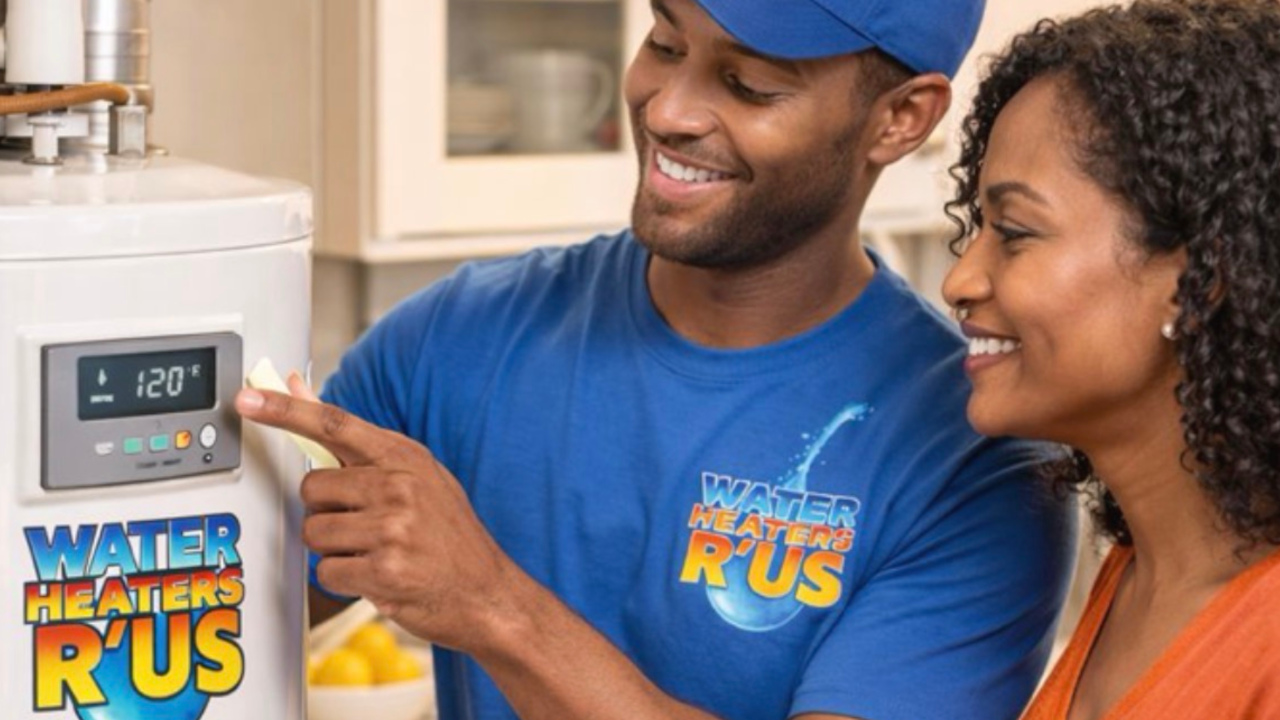
For electric water heaters, locate the thermostats (usually behind two access panels). Ensure they are set between 120-125°F (about 49-52°C) for optimal balance between safety and hot water supply. For gas water heaters, there's usually a single dial on the gas valve. Be careful not to set it too high, as this can lead to scalding and increased energy costs.
2. Flush Your Water Heater Tank Annually
This is crucial for preventing sediment buildup, especially if you live in an area with hard water. Draining and flushing your tank removes the sediment, allowing your water heater to operate more efficiently and extending its lifespan. While it's a DIY task for some, it can be tricky. If you're unsure, it's best to call a professional plumber. Water Heaters R Us offers comprehensive maintenance services that include flushing your tank.
3. Consider a Water Softener System
If hard water is a persistent issue in your Hamilton home, a water softener is a game-changer. By removing the minerals that cause hardness, a water softener protects your water heater from sediment buildup, improves its efficiency, and can significantly extend its life. Beyond your water heater, soft water also benefits your plumbing, appliances, and even your skin and hair.
4. Assess and Adjust Your Hot Water Usage Habits
Try to stagger high-demand hot water activities. For instance, take showers at different times, run the dishwasher after everyone has showered, and do laundry during off-peak hours. Installing low-flow showerheads can also reduce hot water consumption without sacrificing shower quality.
5. Insulate Your Hot Water Pipes
Insulating the first six feet of hot and cold water pipes connected to your water heater can reduce heat loss, meaning more hot water reaches your fixtures, and your heater doesn't have to work as hard. This is a simple and cost-effective DIY project.
6. Professional Inspection and Repair
If you've tried the above steps and your hot water still runs out too quickly, it's time to call in the experts. Diagnosing a faulty heating element, a broken dip tube, or a gas valve issue requires specialized knowledge and tools. An experienced technician can quickly identify the problem and perform the necessary repairs safely and efficiently.
7. Consider a Water Heater Upgrade
If your water heater is old, undersized, or constantly giving you trouble, it might be more cost-effective in the long run to replace it. Modern water heaters are far more energy-efficient than older models, and upgrading to a larger tank or a tankless system can provide a virtually endless supply of hot water, perfectly suited for today's busy households. Tankless water heaters, for example, heat water on demand, eliminating the problem of running out of hot water entirely.
Don't Let Cold Showers Ruin Your Spring!
As spring rolls in, bringing with it the joys of outdoor activities and renewed energy for household tasks, don't let a lack of hot water hold you back. Whether you're in Hamilton, Ancaster, Dundas, Stoney Creek, Burlington, Grimsby, Waterdown, Binbrook, Oakville, Milton, Brantford, or Caledonia, a reliable hot water supply is essential for your comfort and convenience.
If you're experiencing issues with your hot water running out too fast, or if you're considering a new water heater or water softener system, the team at Water Heaters R Us is here to help. We provide expert advice, professional installation, and reliable repair services tailored to the needs of Ontario homeowners. Our experienced technicians can diagnose the problem, offer transparent solutions, and ensure your home has the consistent hot water it deserves.
Ready to Enjoy Consistent Hot Water Again?
Don't put up with cold showers any longer. Contact Water Heaters R Us today for a consultation or service appointment. We're your trusted local experts for all things water heaters and water softeners in Hamilton and throughout our service area.
- Call us: 905-679-9420
- Visit us online: waterheatersrus.ca
Our service areas include: Hamilton, Ancaster, Dundas, Stoney Creek, Burlington, Grimsby, Waterdown, Binbrook, Oakville, Milton, Brantford, and Caledonia.
Need a Water Heater?
Same-day installation, professional service, and flexible rent-to-own options across Hamilton and surrounding areas.
Call 905-679-9420