When to Drain Your Water Heater & Why it Matters in Hamilton
As the crisp autumn air settles over Hamilton and surrounding areas like Ancaster, Dundas, and Burlington, many homeowners are thinking about preparing their homes for the colder months ahead. While furnace checks and gutter cleaning often top the list, there's another crucial piece of equipment that deserves your attention: your water heater. Specifically, knowing when and why to drain your water heater can significantly impact its performance, longevity, and your energy bills.
At Water Heaters R Us, we believe in empowering homeowners across our service areas, from Stoney Creek to Oakville, with the knowledge to maintain their home's essential systems. Draining your water heater might sound like a daunting task, but understanding its importance is the first step towards ensuring you have a reliable supply of hot water all winter long.
Why Draining Your Water Heater Is So Important
Imagine your water heater as a giant kettle constantly boiling water for your household needs. Over time, just like a kettle, minerals and sediment from your water supply can settle at the bottom of the tank. This buildup isn't just unsightly; it can cause a host of problems:
Reduced Efficiency and Higher Energy Bills
Sediment acts as an insulator at the bottom of your tank. Your water heater's heating element (gas burner or electric coils) has to work harder to penetrate this layer and heat the water above it. This extra effort means your unit consumes more energy, leading to higher utility bills. It's like trying to heat water through a layer of rocks – inefficient and costly!
Decreased Lifespan of Your Water Heater
The constant heating and reheating of sediment can cause the bottom of your tank to overheat and eventually corrode. This stress on the tank's lining can lead to premature failure, requiring an expensive replacement much sooner than anticipated. Regular draining helps clear out these corrosive elements, extending the life of your appliance.
Noisy Operation and Reduced Hot Water Supply
Have you ever heard strange rumbling, popping, or banging noises coming from your water heater? These sounds are often caused by sediment being agitated and superheated at the bottom of the tank. This isn't just annoying; it indicates your unit is struggling. Furthermore, a buildup of sediment can displace water, effectively reducing the amount of hot water your tank can hold, leaving you with lukewarm showers or running out of hot water faster than usual.
When Should You Drain Your Water Heater?
The general recommendation for draining your water heater is once a year. However, this frequency can vary based on several factors:
- Water Hardness: If you live in an area with particularly hard water (common in many parts of Ontario, including Grimsby and Brantford), you might consider draining your tank every six months. Hard water contains higher concentrations of minerals like calcium and magnesium, which contribute to more rapid sediment buildup.
- Age of Unit: Older units may benefit from more frequent draining to mitigate years of potential buildup.
- Signs of Trouble: If you notice any of the issues mentioned above – rumbling noises, reduced hot water, or cloudy water – it's a clear sign that your water heater needs attention, regardless of how long it's been since the last drain.
Fall, with its cooler temperatures, is an excellent time to tackle this task. Before the heavy demands of winter heating and holiday guests put extra strain on your water heater, a preventative drain can ensure it's ready to perform efficiently.
The Role of Water Softeners
For homeowners in areas with hard water, a water softener can be a game-changer for your water heater and other water-using appliances. Water softeners work by removing mineral ions that cause hardness, significantly reducing the amount of sediment that accumulates in your water heater tank.
While a water softener won't eliminate the need to drain your water heater entirely (some fine sediment can still build up), it can drastically reduce the frequency and amount of sediment you'll find. This translates to even greater energy efficiency, a longer lifespan for your water heater, and less maintenance for you. If you're experiencing persistent hard water issues in your Milton or Binbrook home, talk to the experts at Water Heaters R Us about integrating a water softener into your plumbing system.
Is Draining Your Water Heater a DIY Task or Should You Call a Professional?
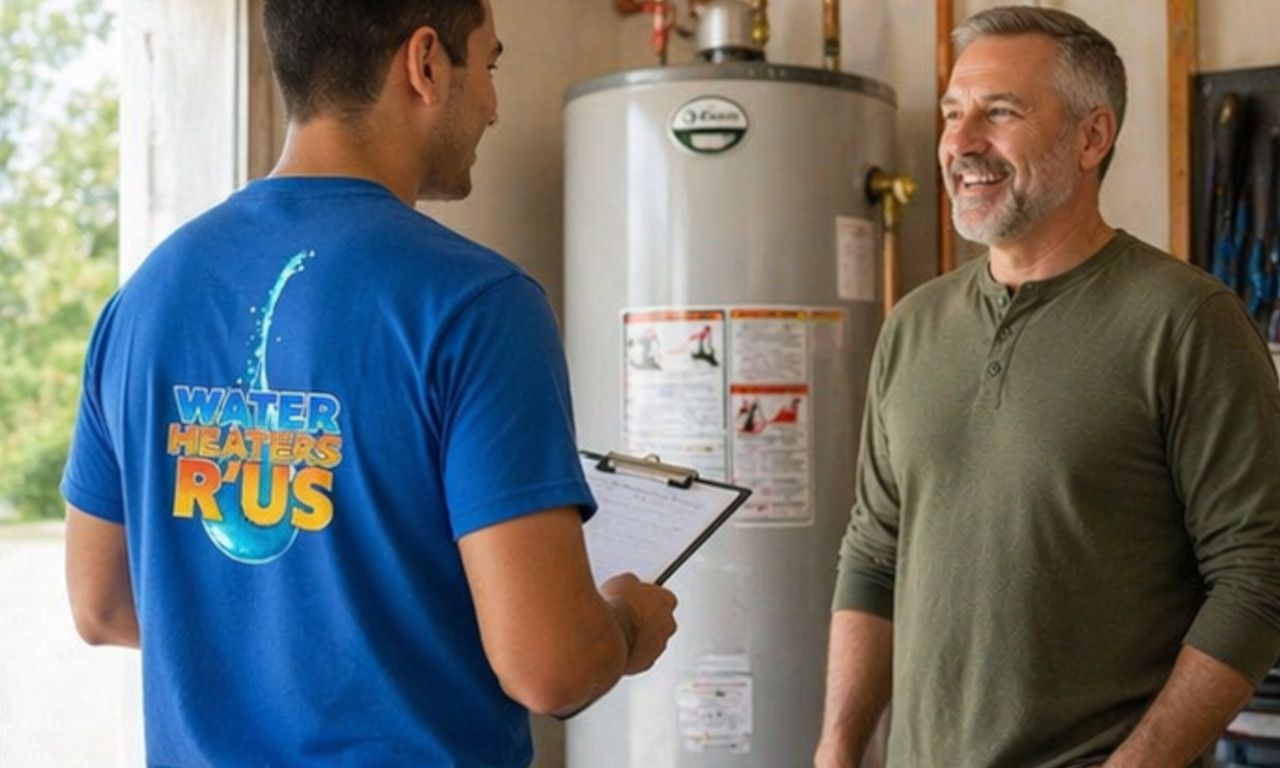
Draining a conventional tank water heater is a relatively straightforward process for most handy homeowners. However, it involves working with water, electricity or gas, and hot temperatures, so safety is paramount. If you're uncomfortable with the process, unsure about the steps, or if your water heater is gas-powered and you're not confident in safely turning off and restarting the pilot light, it's always best to call a qualified plumbing professional.
A professional technician can not only drain and flush your tank but also perform a comprehensive inspection of your unit, checking for leaks, anode rod wear, and proper temperature settings, ensuring everything is in optimal working order. This can be especially beneficial for homeowners in Waterdown or Caledonia who want peace of mind.
Beyond the Drain: Comprehensive Water Heater Maintenance
Draining your water heater is a vital part of its maintenance, but it's just one piece of the puzzle. Regular professional maintenance includes checking the anode rod, inspecting for leaks, testing the pressure relief valve, and ensuring proper temperature settings. These steps collectively contribute to maximizing your water heater's efficiency, safety, and longevity.
Don't let a neglected water heater leave you in the cold this winter. Whether you're in Hamilton, Ancaster, Dundas, Stoney Creek, Burlington, Grimsby, Waterdown, Binbrook, Oakville, Milton, Brantford, or Caledonia, the team at Water Heaters R Us is here to help with all your water heater and water softener needs. From routine maintenance to repairs and new installations, we're your trusted local experts.
Ready to Ensure Your Hot Water Supply is Reliable?
Take the proactive step this fall to protect your investment and ensure a consistent supply of hot water for your family. If you have questions about draining your water heater, need assistance, or are considering a water softener, don't hesitate to reach out to the friendly and professional team at Water Heaters R Us.
Call us today at 905-679-9420 or visit waterheatersrus.ca to schedule a service or learn more about how we can help keep your home comfortable and efficient.
Need a Water Heater?
Same-day installation, professional service, and flexible rent-to-own options across Hamilton and surrounding areas.
Call 905-679-9420