Protect Your Hot Water: When to Drain Your Water Heater in Hamilton
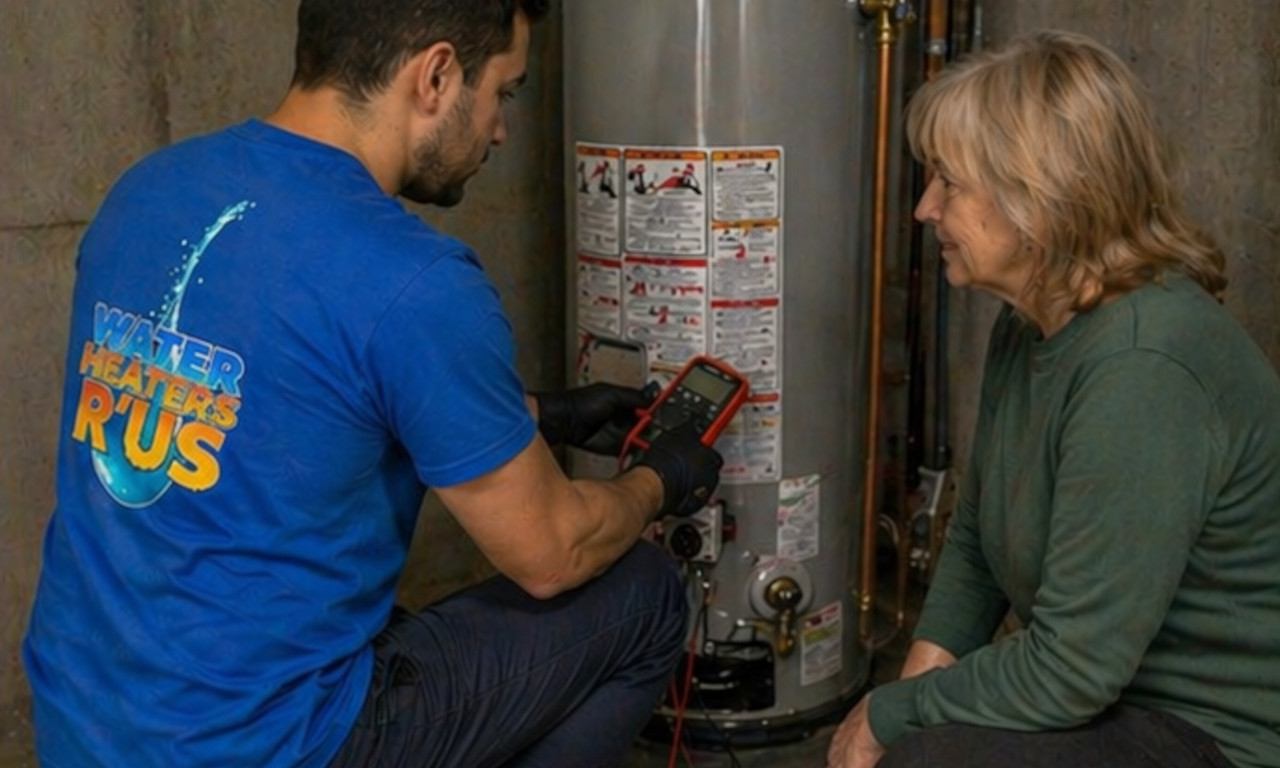
As the vibrant colours of fall begin to paint our beautiful Hamilton landscapes, many homeowners turn their thoughts to preparing their homes for the cooler months ahead. While tasks like raking leaves and checking furnaces are often top of mind, there’s one essential piece of home maintenance that often gets overlooked: draining your water heater. This seemingly small task can have a huge impact on your home's energy efficiency, the lifespan of your hot water tank, and your family's comfort.
At Water Heaters R Us, we believe in empowering homeowners across Hamilton, Ancaster, Dundas, Stoney Creek, and beyond with the knowledge to keep their plumbing systems running smoothly. Let's dive into why, when, and how to drain your water heater, ensuring you have a steady supply of hot water all winter long.
Why Draining Your Water Heater Matters: The Hidden Threat of Sediment
Your water heater works tirelessly day in and day out, providing hot water for showers, dishes, and laundry. But beneath the surface, a silent culprit might be undermining its efficiency and longevity: sediment buildup.
What is Sediment and Where Does It Come From?
The water supplied to homes in Ontario, while generally safe, contains various dissolved minerals, primarily calcium and magnesium. This is often referred to as 'hard water.' Over time, as your water heater heats the water, these minerals separate and settle at the bottom of the tank, forming a layer of sediment. Think of it like limescale buildup in a kettle, but on a much larger scale.
The Damaging Effects of Sediment Buildup
- Reduced Efficiency & Higher Energy Bills: That layer of sediment acts as an insulator, creating a barrier between the heating element (for electric tanks) or the burner (for gas tanks) and the water itself. This means your water heater has to work much harder and for longer periods to heat the same amount of water, leading to increased energy consumption and noticeably higher utility bills.
- Noisy Operation: If you've ever heard rumbling, popping, or banging noises coming from your hot water tank, sediment is likely the cause. As the heating element attempts to heat the water through the sediment layer, trapped pockets of water can boil and burst, creating these disruptive sounds.
- Premature Wear and Tear: The constant overheating caused by sediment can stress the tank's components, including the tank lining and heating elements. This can lead to corrosion, leaks, and ultimately, premature failure of your water heater, often well before its expected lifespan.
- Reduced Hot Water Supply: A thick layer of sediment can actually displace water within the tank, meaning your water heater holds less hot water than it's designed to. This results in quicker depletion of hot water, especially noticeable during peak usage times.
- Compromised Water Quality: While less common, extreme sediment buildup can sometimes affect the quality of your hot water, leading to discoloration or a metallic taste.
A proactive approach to maintenance, like regular draining, can mitigate these issues and save you a significant amount of money and hassle in the long run.
When to Drain Your Water Heater: Timing is Everything
The general recommendation is to drain and flush your water heater annually. However, several factors can influence the ideal frequency:
- Water Hardness: If you live in an area with particularly hard water, like many parts of the Greater Hamilton Area (including Burlington, Grimsby, and Oakville), you might benefit from flushing your tank every six months.
- Age of the Unit: Older water heaters, especially those that haven't been regularly maintained, may have more sediment and could benefit from more frequent attention.
- Signs of Sediment: Don't wait for a schedule if you notice warning signs! If your water heater is making strange noises (rumbling, popping), producing less hot water, or if your hot water appears rusty or discolored, it's definitely time for a flush.
Fall: The Perfect Season for Water Heater Maintenance
Why fall? As we transition from the warmer days of summer to the colder grip of winter, your water heater will soon be working harder than ever. People take longer, hotter showers, and heating systems often rely on hot water. Performing this essential maintenance now, before the cold truly sets in, ensures your unit is operating at peak efficiency when you need it most. It's a key part of your autumn home preparation checklist, right alongside furnace checks and winterizing outdoor plumbing.
How to Drain and Flush Your Water Heater Tank
While this is a task many homeowners can tackle, it's crucial to follow safety guidelines. If you're ever unsure or uncomfortable, don't hesitate to call a professional. Our certified technicians at Water Heaters R Us are always ready to assist homeowners in Milton, Brantford, Caledonia, and all our service areas.
Here’s a general step-by-step guide:
- Prepare for Safety: Locate your water heater and ensure you have all necessary tools: a garden hose, a bucket, and a flat-head screwdriver (for some drain valves). Ensure the area around the water heater is clear.
- Shut Off Power/Gas: This is critical. For electric water heaters, turn off the breaker at your electrical panel. For gas water heaters, turn the gas valve to the
Need a Water Heater?
Same-day installation, professional service, and flexible rent-to-own options across Hamilton and surrounding areas.
Call 905-679-9420