When to Drain Your Water Heater & Why It Matters for Hamilton Homes

As the vibrant fall colours paint our beautiful Ontario landscape, many Hamilton homeowners are busy preparing their homes for the cooler months ahead. While you might be raking leaves or checking your furnace, there's another crucial maintenance task that often gets overlooked: draining your water heater. This seemingly small chore can have a significant impact on your home's energy efficiency, the lifespan of your appliance, and the quality of your hot water supply.
At Water Heaters R Us, we understand that your hot water tank is one of the hardest working appliances in your home. That's why we're committed to helping homeowners across Hamilton, Ancaster, Dundas, Stoney Creek, Burlington, Grimsby, Waterdown, Binbrook, Oakville, Milton, Brantford, and Caledonia keep their systems running smoothly and efficiently. Let's dive into why draining your water heater is so important and when you should make it a priority.
The Hidden Culprit: Sediment Buildup
Imagine your water heater as a giant kettle. Over time, as water is heated, minerals like calcium and magnesium, along with rust particles and other debris, settle at the bottom of the tank. This accumulation is known as sediment. Ontario's hard water, particularly prevalent in areas like Hamilton, makes sediment buildup an even bigger concern for local homeowners.
Why Sediment is a Problem:
- Reduced Efficiency: Sediment acts as an insulator, creating a barrier between the heating element (gas or electric) and the water. This forces your water heater to work harder and longer to heat water, leading to higher energy consumption and inflated utility bills. It's like trying to boil water in a pot with a thick layer of mud at the bottom – it takes more energy and time!
- Shorter Lifespan: The constant overheating caused by sediment buildup puts immense stress on the tank's components. It can corrode the lining, weaken the metal, and eventually lead to leaks or a complete system failure, often years before its expected lifespan. Replacing a water heater unexpectedly is a costly inconvenience no one wants.
- Noisy Operation: If you hear popping, hissing, or rumbling noises coming from your water heater, sediment is likely the culprit. As water gets trapped under the sediment layer and heats up, it creates steam bubbles that burst, causing these unsettling sounds.
- Poor Water Quality: Excessive sediment can sometimes lead to discoloured or cloudy hot water, especially noticeable when running a bath or doing laundry.
The Role of Water Softeners in Preventing Sediment
Many homes in our service area, from Burlington to Brantford, contend with hard water. This means a higher concentration of minerals like calcium and magnesium in your tap water. These are the very minerals that contribute significantly to sediment buildup in your water heater.
Investing in a water softener is an excellent way to combat hard water and dramatically reduce the rate of sediment accumulation in your hot water tank, as well as in pipes and other appliances. A water softener works by removing these hardness minerals, resulting in softer water that's not only better for your water heater but also for your skin, hair, and even extends the life of your dishwasher and washing machine.
While a water softener significantly mitigates the problem, it doesn't entirely eliminate the need for occasional draining. Even with soft water, some fine particles or trace elements can still settle, making regular flushing a wise practice to maintain optimal performance.
When to Drain Your Water Heater: Timing is Everything
So, how often should you actually drain or flush your water heater?
- Annually is a Good Rule of Thumb: For most homeowners in areas like Waterdown and Milton, flushing your water heater once a year is a good baseline. This helps remove accumulated sediment before it becomes a major problem.
- Consider Water Hardness: If you live in an area with particularly hard water and don't have a water softener, or if your water heater is older, you might consider flushing it every six months.
- Listen to Your Heater: Pay attention to any unusual noises (popping, rumbling), reduced hot water capacity, or discoloured hot water. These are clear signs it's time for a flush, regardless of your last maintenance date.
- Fall is an Ideal Time: With cooler temperatures approaching, fall is an excellent season to perform this maintenance. Getting rid of sediment now means your water heater will operate at peak efficiency throughout the high-demand winter months, ensuring you have reliable hot water when you need it most, without unnecessary energy costs.
How to Flush Your Water Heater Tank (A Brief Overview)
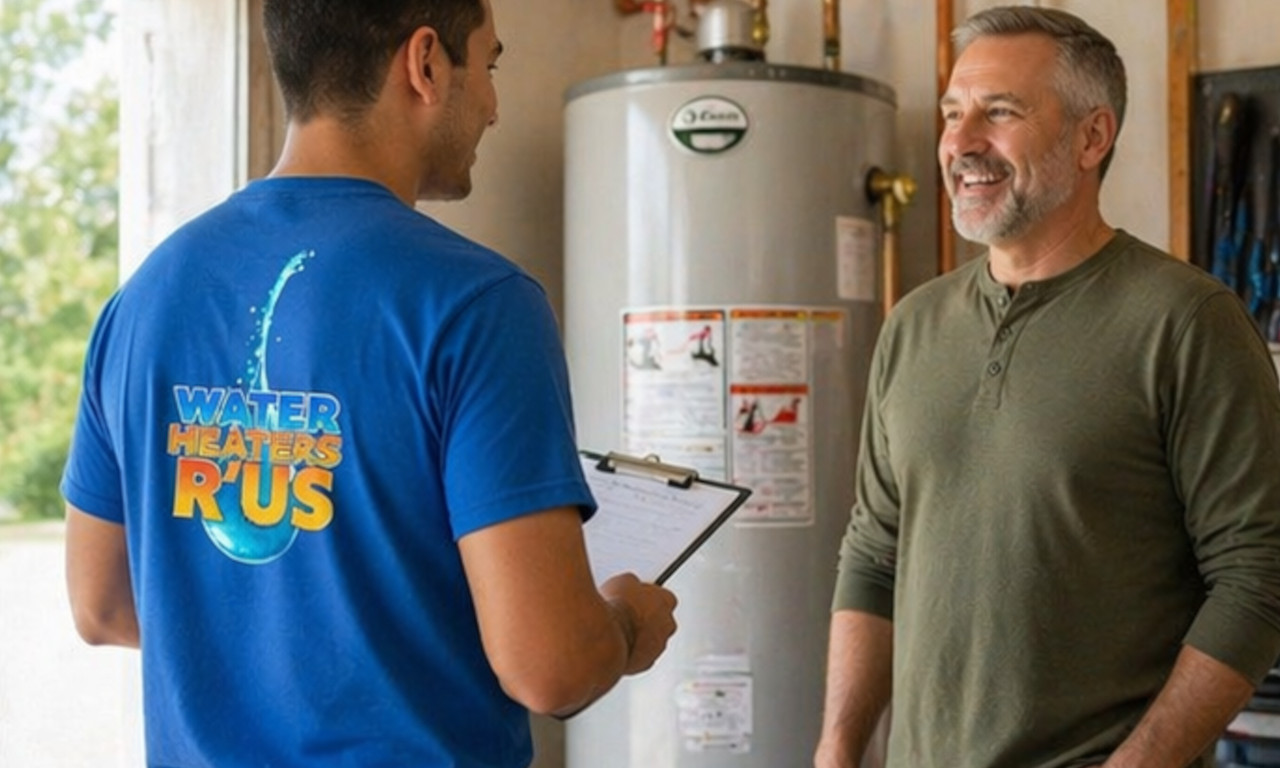
Draining your water heater involves turning off the power/gas, shutting off the cold water supply, connecting a garden hose to the drain valve, and allowing the water and sediment to flow out. It's a task that many handy homeowners can tackle themselves. However, it requires careful attention to detail and safety, especially when dealing with gas lines or electricity.
If you're unsure or uncomfortable performing this task, or if your water heater hasn't been drained in years and you suspect significant sediment buildup, it's always best to call a professional. Our licensed technicians at Water Heaters R Us are experts in water heater maintenance and can ensure the job is done safely and effectively, providing peace of mind for families in Grimsby, Binbrook, and beyond.
Beyond Draining: Other Essential Water Heater Maintenance
While draining is critical, it's just one piece of the puzzle for comprehensive water heater care:
- Anode Rod Inspection: The anode rod sacrifices itself to protect your tank from corrosion. It should be inspected every 3-5 years (or more frequently with a water softener) and replaced when significantly depleted.
- Temperature and Pressure Relief (TPR) Valve Test: This safety valve prevents excessive pressure buildup. Test it annually by lifting the lever and letting a small amount of water out. If it doesn't seal properly, replace it.
- Insulation: Insulating older hot water tanks and hot water pipes can significantly reduce heat loss and improve efficiency.
- Temperature Setting: Keep your thermostat set to around 120°F (49°C) for optimal balance between safety, efficiency, and comfort.
Why Trust Water Heaters R Us for Your Hamilton Home?
At Water Heaters R Us, we pride ourselves on being the trusted local experts for water heaters and water softeners across Hamilton and the surrounding regions. Our team of certified technicians provides honest advice, reliable service, and professional installations and maintenance. We understand the specific needs and challenges of Ontario homeowners, especially concerning hard water and seasonal demands.
Whether you need a routine flush, a professional inspection, or are considering a new energy-efficient tankless water heater or a robust water softener system, we're here to help. We're dedicated to ensuring your home has a consistent, efficient, and healthy hot water supply.
Don't Wait Until It's Too Late!
Draining your water heater is a simple yet impactful maintenance task that safeguards your investment, reduces energy costs, and ensures your family enjoys reliable hot water. With fall being the perfect time to prepare your home, there's no better moment to address this often-forgotten chore.
If you have questions about water heater maintenance, need assistance with flushing your tank, or are interested in exploring water softener solutions for your Hamilton-area home, don't hesitate to reach out to the experts at Water Heaters R Us. We're always happy to provide professional advice and service.
Contact us today for a free consultation or to schedule a service:
Call: 905-679-9420
Visit: waterheatersrus.ca
Need a Water Heater?
Same-day installation, professional service, and flexible rent-to-own options across Hamilton and surrounding areas.
Call 905-679-9420