Boost Savings: Understanding Water Heater Energy Ratings
As summer shines bright over Hamilton, Ancaster, and Dundas, we're all looking for ways to keep our homes comfortable and our energy bills manageable. While air conditioning often takes centre stage, one of the biggest energy consumers in your home often goes unnoticed: your water heater. Understanding its energy efficiency rating isn't just about reading a label; it's about unlocking real savings and a more sustainable lifestyle.
At Water Heaters R Us, we believe in empowering homeowners across Stoney Creek, Burlington, and Grimsby with the knowledge to make informed decisions about their home's plumbing systems. Today, we're diving deep into the world of water heater energy efficiency ratings, explaining what they mean for your wallet and the environment.
Why Energy Efficiency Matters for Your Water Heater
In Ontario, where energy costs can fluctuate, every bit of efficiency counts. Your water heater accounts for a substantial portion of your home's energy consumption – often second only to heating and cooling. An inefficient unit can silently drain your budget, even in the warmer months when you might not be running your furnace. By choosing or maintaining an energy-efficient water heater, you're not just saving money; you're also reducing your carbon footprint, contributing to a healthier environment for everyone in Waterdown, Binbrook, and beyond.
Demystifying the Ratings: UEF and Energy Factor
For years, the primary metric for water heater efficiency was the Energy Factor (EF). While you might still see it mentioned, the industry has largely transitioned to a more comprehensive standard: the Uniform Energy Factor (UEF).
What is Uniform Energy Factor (UEF)?
The UEF rating provides a more accurate and consistent way to compare the energy efficiency of different water heater types, including conventional tank, tankless, and heat pump models. It considers a broader range of real-world operating conditions, such as:
- How much hot water the unit can deliver over 24 hours (its 'first hour rating').
- The unit's recovery efficiency (how quickly it heats water).
- Standby heat loss (for tank models).
- Energy consumption during periods of low or no hot water demand.
A higher UEF rating indicates greater efficiency, meaning the water heater uses less energy to produce the same amount of hot water. When you're shopping for a new unit in Oakville or Milton, comparing UEF ratings is your best bet for understanding its long-term operating costs.
The Significance of ENERGY STAR® Certification
Beyond the UEF rating, look for the familiar blue ENERGY STAR® label. This certification means the product meets strict energy efficiency guidelines set by Natural Resources Canada. An ENERGY STAR certified water heater is guaranteed to be significantly more efficient than standard models, offering proven energy savings. Many ENERGY STAR models also qualify for local utility rebates, further sweetening the deal for homeowners in Brantford and Caledonia.
Efficiency Across Different Water Heater Types
The type of water heater you choose significantly impacts its potential for energy efficiency:
1. Conventional Tank Water Heaters
These are the most common type, storing and heating a large volume of water in a tank. Their efficiency is largely determined by how well they insulate this stored water to minimize standby heat loss. Modern tank models, especially those with high UEF ratings and ENERGY STAR certification, have significantly improved insulation and burn efficiency compared to older units.
2. Tankless (On-Demand) Water Heaters
As their name suggests, tankless units heat water only when you need it, eliminating standby heat loss. This makes them inherently more energy-efficient than traditional tanks, often boasting UEF ratings significantly higher. While the initial investment can be higher, the long-term energy savings, especially for larger households or those in areas like Burlington where energy costs are a concern, can be substantial.
3. Heat Pump (Hybrid) Water Heaters
These innovative systems don't generate heat directly; instead, they move heat from the surrounding air into the water tank, similar to how a refrigerator works in reverse. This process is incredibly efficient, making heat pump water heaters some of the most energy-efficient options available, with very high UEF ratings. They are an excellent choice for homes with basements or utility rooms that can provide the ambient air needed for their operation.
Maximizing Your Water Heater's Efficiency: Beyond the Rating
Even with a top-rated efficient water heater, there are other factors and practices that can further optimize its performance and save you money:
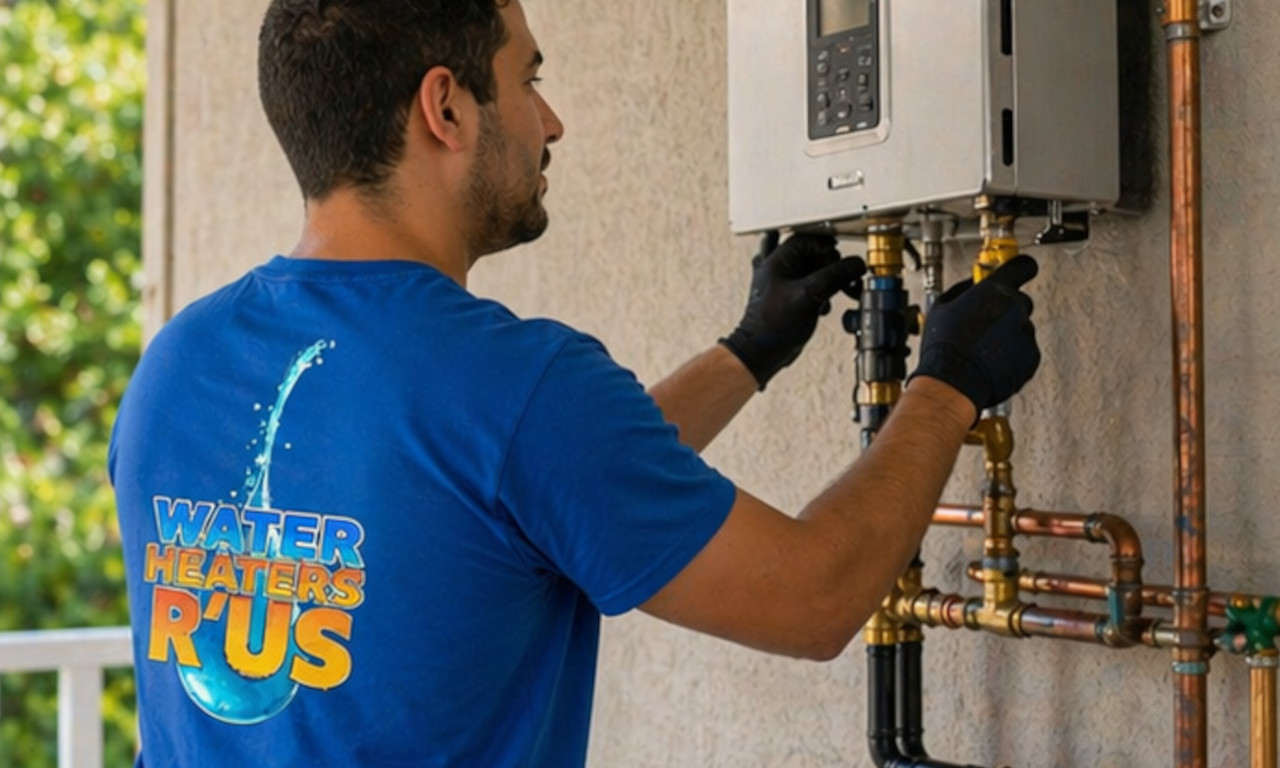
- Proper Sizing & Installation: An undersized unit will struggle and use more energy, while an oversized one wastes energy by heating more water than needed. Professional sizing and installation are crucial. This is where the experienced technicians at Water Heaters R Us come in handy for homeowners across Hamilton and surrounding communities.
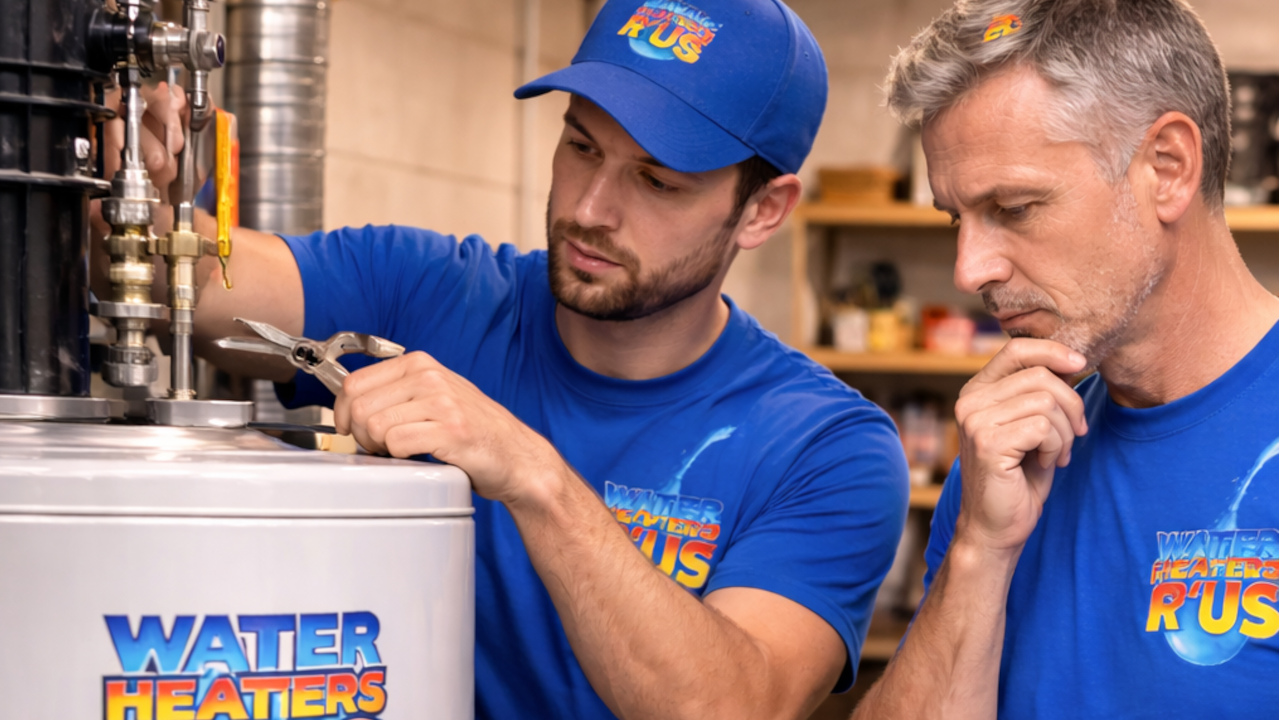
- Regular Maintenance: Just like your car, your water heater needs tune-ups. Flushing your tank annually to remove sediment buildup, checking the anode rod, and inspecting for leaks can significantly extend its lifespan and maintain efficiency. Sediment acts as an insulator, forcing your heater to work harder.
- Consider a Water Softener: For homes in areas with hard water, like many parts of Ontario, mineral buildup (limescale) can severely impact your water heater's efficiency. A water softener prevents this buildup, allowing your heater to operate optimally and saving you energy. It's a smart investment that protects your plumbing and appliances.
- Insulate Your Tank and Pipes: If you have an older tank-style water heater, adding an insulation blanket can reduce standby heat loss. Insulating the first six feet of hot and cold water pipes connected to the heater also prevents heat loss as water travels.
- Lower the Thermostat: Most water heaters are set to 140°F (60°C). Reducing it to 120°F (49°C) can save energy without a noticeable difference in hot water availability for most households. This is especially true in summer when incoming water temperatures are naturally higher.
- Fix Leaks Promptly: Even a small drip from a hot water tap can waste gallons of hot water and energy over time. Address any plumbing leaks immediately.
Summer Savings and Future Planning
While we enjoy the warmth of summer, it's an excellent time to assess your home's energy consumption. If your water heater is aging, making strange noises, or simply not keeping up, now might be the perfect opportunity to consider an upgrade. Investing in a high-efficiency model, particularly an ENERGY STAR certified one, can start saving you money immediately, year-round.
Water Heaters R Us is proud to serve Hamilton, Ancaster, Dundas, Stoney Creek, Burlington, Grimsby, Waterdown, Binbrook, Oakville, Milton, Brantford, and Caledonia. Our team of certified professionals can help you understand the best energy-efficient options for your home, provide expert installation, and offer maintenance tips to ensure your system runs smoothly for years to come.
Don't let an inefficient water heater secretly inflate your energy bills. Understanding energy efficiency ratings and taking proactive steps can lead to significant savings and peace of mind.
Ready to Boost Your Home's Efficiency?
Whether you need a new energy-efficient water heater, expert maintenance, or want to explore the benefits of a water softener, the trusted team at Water Heaters R Us is here to help. Contact us today for a consultation!
Call us at 905-679-9420 or visit waterheatersrus.ca to learn more and schedule your service.
Need a Water Heater?
Same-day installation, professional service, and flexible rent-to-own options across Hamilton and surrounding areas.
Call 905-679-9420