Water Heater Energy Efficiency Ratings Explained for Ontario Homes
Even as we enjoy the beautiful Hamilton summer, our water heaters are still working hard, providing hot water for showers, laundry, and dishes. While the sun shines bright, it's a great time to think about how efficiently your water heater is performing. Is it quietly adding more to your utility bills than it should? Understanding water heater energy efficiency ratings is key to making informed decisions, saving money, and ensuring your home in Hamilton, Ancaster, or Burlington has the hot water it needs without the sky-high costs.
Why Water Heater Energy Efficiency Matters to Ontario Homeowners
For many Ontario households, heating water is the second-largest energy expense, right after heating and cooling your home. This makes your water heater a prime candidate for energy savings. An inefficient unit not only drives up your monthly utility bills but also contributes to a larger carbon footprint. Investing in an energy-efficient water heater or optimizing your current one can lead to significant long-term savings and a more comfortable, environmentally friendly home.
At Water Heaters R Us, we understand the unique needs of homeowners across our service areas, from Stoney Creek to Oakville and Milton. We're committed to helping you find solutions that offer both comfort and cost savings.
Demystifying Water Heater Energy Efficiency Ratings
When you're looking at a new water heater, you'll encounter a few different ratings. Let's break down the most important ones:
1. Uniform Energy Factor (UEF): The Modern Standard
The Uniform Energy Factor (UEF) is the current industry standard for measuring a water heater's energy efficiency, introduced in 2017 by the U.S. Department of Energy (DOE) and widely adopted in Canada. It replaced the older Energy Factor (EF) rating to provide a more comprehensive and standardized measure across different water heater types and brands.
- What it Measures: UEF assesses a water heater's overall energy efficiency, taking into account recovery efficiency (how efficiently it heats water), standby losses (heat lost while not actively heating), and energy consumption during a simulated day of hot water use.
- The Number: UEF ratings typically range from around 0.60 for less efficient conventional tank models to over 3.0 for highly efficient heat pump water heaters. A higher UEF number indicates greater efficiency.
- Why it's Better: UEF provides a more accurate and comparable rating because it uses a standardized test procedure that simulates real-world usage conditions, including different flow rates and ambient temperatures. This allows homeowners in Dundas, Grimsby, and beyond to directly compare the energy performance of various water heater types – from traditional storage tanks to tankless and heat pump models.
2. Energy Factor (EF): The Older Rating
Before UEF, the Energy Factor (EF) was the primary metric. While you might still see it on older models or in some literature, UEF is now the standard for new units.
- What it Measured: EF also represented the ratio of useful energy output to total energy input. It considered standby losses and recovery efficiency.
- The Difference: The main difference lies in the testing protocols. UEF's testing is more rigorous and standardized, making it a more reliable comparison tool across diverse technologies.
3. First Hour Rating (FHR): How Much Hot Water You Get
While UEF tells you how efficient a water heater is, the First Hour Rating (FHR) tells you how much hot water it can deliver in a typical hour, starting with a full tank of hot water. This rating is particularly important for conventional tank-style water heaters.
- What it Measures: FHR is measured in gallons (or litres) and indicates the maximum amount of hot water that can be drawn from a storage water heater during the first hour of use, accounting for the tank's capacity and its ability to recover (reheat) water.
- Why it Matters: If your family in Waterdown or Binbrook often uses a lot of hot water in a short period (e.g., multiple showers in the morning), a higher FHR ensures you won't run out. It helps you size a tank water heater appropriately for your household's peak demands.
Beyond the Ratings: Types of Water Heaters and Their Efficiency
The type of water heater you choose significantly impacts its energy efficiency and overall UEF rating.
Conventional Storage Tank Water Heaters
These are the most common type, storing and heating a reservoir of water. Their UEF ratings typically fall between 0.60 and 0.70 for gas models and 0.90 to 0.95 for electric models. While generally less efficient than tankless or heat pump models, modern tanks have improved insulation and heating elements to reduce standby losses.
Tankless (On-Demand) Water Heaters
Heating water only when you need it, tankless units eliminate standby heat loss. Their UEF ratings are significantly higher, often ranging from 0.82 to 0.96 for gas models and 0.99 for electric. They offer endless hot water and save space, making them a popular choice for many Brantford and Caledonia homeowners looking to upgrade.
Heat Pump (Hybrid) Water Heaters
These electric water heaters extract heat from the air around them to heat the water, making them incredibly efficient. They have the highest UEF ratings, often between 2.0 and 4.0. While they cost more upfront, their energy savings can be substantial, and they often qualify for government rebates in Ontario.
Boosting Your Water Heater's Efficiency: Practical Tips for Hamilton Homeowners
Regardless of your water heater type, there are actionable steps you can take to maximize its energy efficiency and extend its lifespan:
- Regular Maintenance is Key:
- Flush Your Tank: For conventional tank heaters, flushing the tank annually removes sediment buildup. Sediment acts as an insulator, forcing your heater to work harder and use more energy. This is especially important in areas with hard water, like many parts of Southern Ontario.
- Check the Anode Rod: This sacrificial rod prevents tank corrosion. A professional can inspect and replace it as needed.
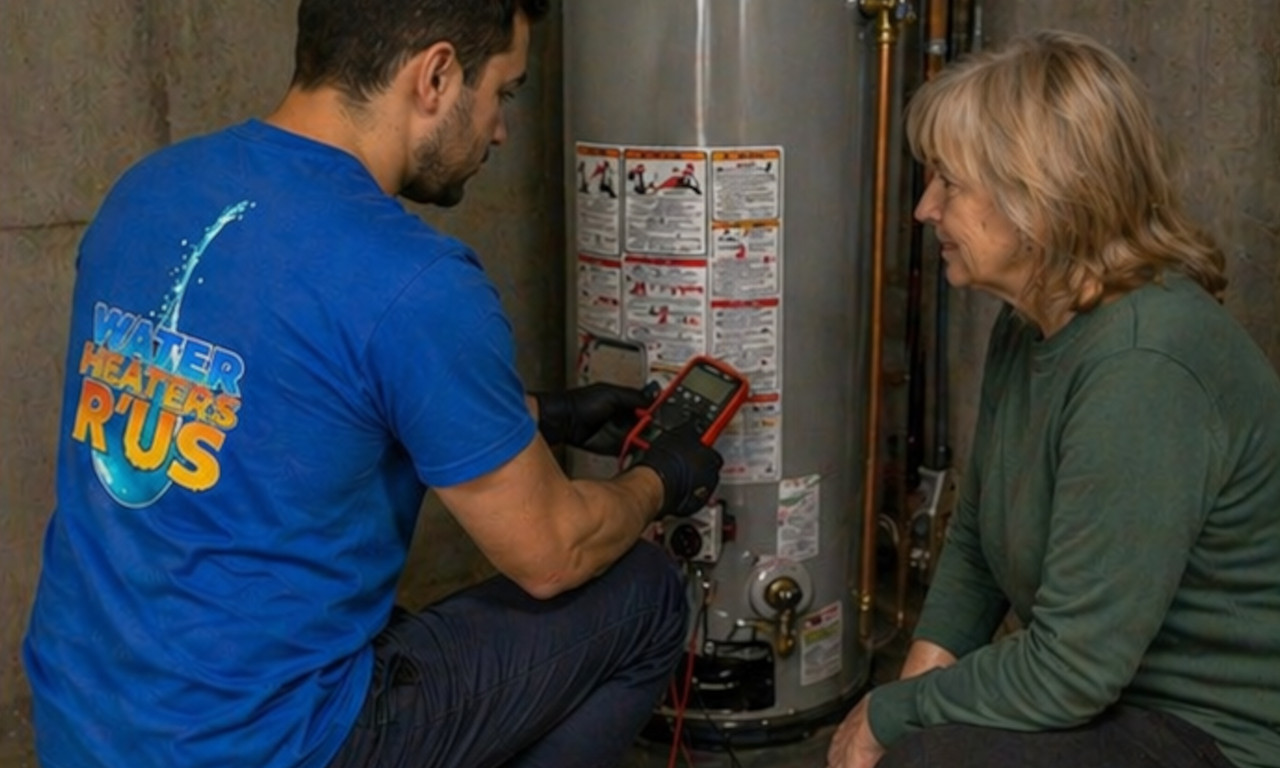
- Professional Tune-Up: Consider an annual inspection by a certified technician from Water Heaters R Us. We can identify potential issues, optimize settings, and ensure your unit is running at peak efficiency.
- Consider a Water Softener: Hard water is a major enemy of water heater efficiency. Mineral buildup (scale) on heating elements and tank surfaces drastically reduces efficiency and shortens your unit's life. Installing a water softener can prevent this buildup, ensuring your water heater operates optimally and saves you money. Water Heaters R Us also specializes in water softener installation and service.
- Insulate Your Tank and Pipes: If you have an older conventional tank heater, insulating the tank can reduce standby heat loss. Insulating the first six feet of hot and cold water pipes connected to the heater also prevents heat loss as water travels.
- Lower the Temperature Setting: Most water heaters are set to 140°F (60°C) by default. For most households, 120°F (49°C) is perfectly adequate and can save you 6-10% on your water heating costs. Just be sure it's hot enough to kill bacteria if you have an older or immunocompromised family member.
- Adopt Smart Usage Habits:
- Take shorter showers.
- Wash laundry with cold water when possible.
- Stagger hot water use (don't run the dishwasher and washing machine at the same time).
- Consider an Upgrade: If your water heater is over 10-12 years old, it's likely far less efficient than newer models. Upgrading to a high-UEF tankless or heat pump water heater can offer significant long-term savings. Summer is often a great time to evaluate and plan for such an upgrade before the colder months increase hot water demand.
Choosing the Right Efficient Water Heater for Your Home
Selecting the best energy-efficient water heater depends on several factors:
- Household Size: Determines the required FHR or tankless flow rate.
- Fuel Type: Natural gas, propane, or electric availability and cost.
- Budget: Upfront cost vs. long-term energy savings.
- Space: Tankless units save space, while heat pump models need ample clearance and a specific ambient temperature range.
- Local Rebates: Check for any current provincial or federal incentives for high-efficiency models.
Your Local Experts for Water Heater Efficiency in Southern Ontario
Understanding water heater energy efficiency ratings is the first step towards a more comfortable and cost-effective home. Whether you're in Hamilton, Ancaster, Dundas, Stoney Creek, Burlington, Grimsby, Waterdown, Binbrook, Oakville, Milton, Brantford, or Caledonia, Water Heaters R Us is your trusted partner for all things hot water and water softeners.
Our experienced technicians can help you understand your current water heater's efficiency, recommend the best high-UEF options for your specific needs, and provide professional installation, maintenance, and repair services. Don't let an inefficient water heater drain your budget – especially with today's energy prices!
Ready to Save on Your Energy Bills?
If you're ready to explore energy-efficient water heater options, schedule a maintenance check, or discuss water softener solutions, contact the experts at Water Heaters R Us today!
Call us at 905-679-9420 or visit waterheatersrus.ca to learn more and book your service.
Need a Water Heater?
Same-day installation, professional service, and flexible rent-to-own options across Hamilton and surrounding areas.
Call 905-679-9420