Sediment Buildup: Your Water Heater's Silent Foe in Hamilton
For homeowners across Hamilton, Ancaster, Dundas, and beyond, a reliable supply of hot water isn't just a luxury – it's an essential part of daily life. From invigorating morning showers to sparkling clean dishes and laundry, your water heater works tirelessly behind the scenes. But what if there was a silent, insidious enemy gradually diminishing its performance and lifespan? We're talking about sediment buildup, a common issue that can plague water heaters throughout Ontario, especially in areas known for hard water.
At Water Heaters R Us, we’ve seen firsthand the damage sediment can inflict. As your trusted local experts in Hamilton for water heaters and water softeners, we’re here to shed light on this problem, help you identify its signs, and empower you with practical solutions to protect your home’s hot water supply.
What Exactly is Sediment Buildup in Your Water Heater?
Imagine tiny particles of sand, silt, rust, and especially minerals like calcium and magnesium, constantly flowing into your water heater tank with every refill. These particles are naturally present in your municipal water supply or, for those on wells, can come from the ground. Over time, as water is heated, these heavier particles settle at the bottom of your water heater tank. This accumulation is what we call sediment buildup.
In many parts of Ontario, including our service areas like Burlington, Grimsby, and Oakville, we deal with what's known as 'hard water.' Hard water contains higher concentrations of dissolved minerals, primarily calcium and magnesium. While generally safe to drink, these minerals are the primary culprits behind stubborn scale buildup in pipes, fixtures, and, most critically, inside your water heater.
How Does Sediment Form?
- Hard Water Minerals: As water heats up, these minerals precipitate out of the water and settle.
- Rust and Corrosion: Over time, the inside of older steel tanks can begin to rust, and these flakes contribute to the sediment layer.
- External Debris: Sand, silt, or other fine particles can enter your home's water supply, especially after municipal pipe work or if you rely on well water.
The Silent Damage: What Sediment Does to Your Water Heater
That seemingly harmless layer of gunk at the bottom of your tank is actually a significant problem. Here’s how sediment buildup can silently sabotage your water heater:
1. Reduced Efficiency & Skyrocketing Energy Bills
Your water heater's heating elements (for electric models) or burner (for gas models) are located at the bottom of the tank. When a layer of sediment accumulates, it acts like an insulating barrier between the heat source and the water. This means your water heater has to work much harder and longer to heat the same volume of water. It's like trying to boil water in a pot with a thick layer of mud at the bottom – it takes more energy and more time.
For homeowners in Stoney Creek, Waterdown, or Binbrook, this translates directly to higher utility bills, as your water heater consumes more electricity or natural gas than necessary.
2. Noisy Operation: The Rumbles, Pops, and Bangs
One of the most common and noticeable signs of sediment buildup is strange noises coming from your water heater. As the heating element or burner tries to heat the water through the sediment layer, trapped pockets of water within the sediment can superheat and then explode, creating popping, crackling, or rumbling sounds. This isn't just annoying; it indicates stress on your tank.
3. Shorter Lifespan and Premature Failure
The constant overheating caused by sediment puts immense stress on your water heater's tank and components. The metal at the bottom of the tank, where sediment collects, can become excessively hot, weakening its integrity over time. This accelerated wear and tear can significantly shorten your water heater's lifespan, leading to costly repairs or even premature replacement. Instead of lasting 10-15 years, a sediment-ridden tank might fail in half that time.
4. Inconsistent Hot Water or Reduced Flow
Sediment can also interfere with the proper distribution of hot water. As the layer thickens, it can displace hot water, leading to less available hot water for your household. In severe cases, sediment can even enter your hot water lines, causing blockages and reducing water pressure at your taps.
5. Tank Leaks: The Worst-Case Scenario
Perhaps the most devastating consequence of unchecked sediment buildup is a tank leak. The constant overheating and stress on the tank's bottom can cause the metal to crack or rupture, leading to a catastrophic leak. A leaking water heater can cause significant water damage to your home, requiring extensive repairs and cleanup.
Spotting the Signs: Is Sediment Affecting Your Water Heater?
Keep an eye (and ear) out for these telltale signs that sediment might be lurking in your water heater:
- Rumbling, Popping, or Crackling Noises: As mentioned, these are classic indicators.
- Reduced Hot Water Supply: If your hot showers are getting shorter or you're running out of hot water faster than usual.
- Inconsistent Water Temperature: Hot water that fluctuates between warm and hot.
- Higher Energy Bills: A noticeable increase in your utility costs without other obvious reasons.
- Cloudy or Discoloured Hot Water: If your hot water appears murky or has a reddish tint (indicating rust), especially when drawing from the bottom of the tank.
- Reduced Hot Water Pressure: Sediment can restrict flow.
Prevention is Key: Your Proactive Steps Against Sediment
The good news is that sediment buildup is largely preventable! Here’s what homeowners in Caledonia, Milton, and Brantford can do to protect their water heaters:
1. Regular Water Heater Flushing (Every Spring!)
This is the most effective DIY maintenance task. Flushing your water heater involves draining the tank to remove accumulated sediment. Spring is an ideal time to do this, as part of your annual home maintenance routine, preparing your system for increased hot water demand during the warmer months and ensuring peak efficiency.
How to Flush Your Water Heater:
- Turn Off Power/Gas: Crucial safety step. For electric, flip the circuit breaker. For gas, set the control valve to "Pilot" or "Off."
- Turn Off Cold Water Supply: Close the valve on the cold water inlet pipe at the top of the tank.
- Open a Hot Water Faucet: Open a hot water tap in your home to relieve pressure and prevent a vacuum.
- Connect a Hose: Attach a garden hose to the drain valve at the bottom of the water heater.
- Drain the Tank: Direct the hose to a floor drain or outside. Open the drain valve slowly. Be cautious, as the water will be hot.
- Flush with Cold Water (Optional but Recommended): Once the tank is mostly drained, briefly open the cold water supply valve to stir up remaining sediment, then close it and continue draining. Repeat until water runs clear.
- Close Drain Valve & Refill: Once clear, close the drain valve. Remove the hose.
- Turn Off Faucet & Reopen Cold Water: Close the hot water faucet you opened earlier. Open the cold water supply valve to refill the tank.
- Purge Air: Once the tank is full (water flows steadily from an open hot water tap), close the hot water tap.
- Restore Power/Gas: Turn your water heater's power or gas supply back on.
If you're unsure or uncomfortable performing this task, don't hesitate to call the professionals at Water Heaters R Us!
2. Consider a Water Softener
Given the prevalence of hard water in our service areas from Hamilton to Grimsby, a water softener is an excellent long-term solution to prevent mineral-based sediment buildup. A water softener removes the calcium and magnesium ions responsible for hard water before they even enter your water heater (and other plumbing fixtures). This not only protects your water heater but also your pipes, appliances, and leaves your skin and hair feeling softer.
Water Heaters R Us specializes in high-quality water softener installations and maintenance. Investing in a water softener can extend the life of your water heater, improve its efficiency, and save you money on energy bills and repairs in the long run.
3. Professional Annual Maintenance
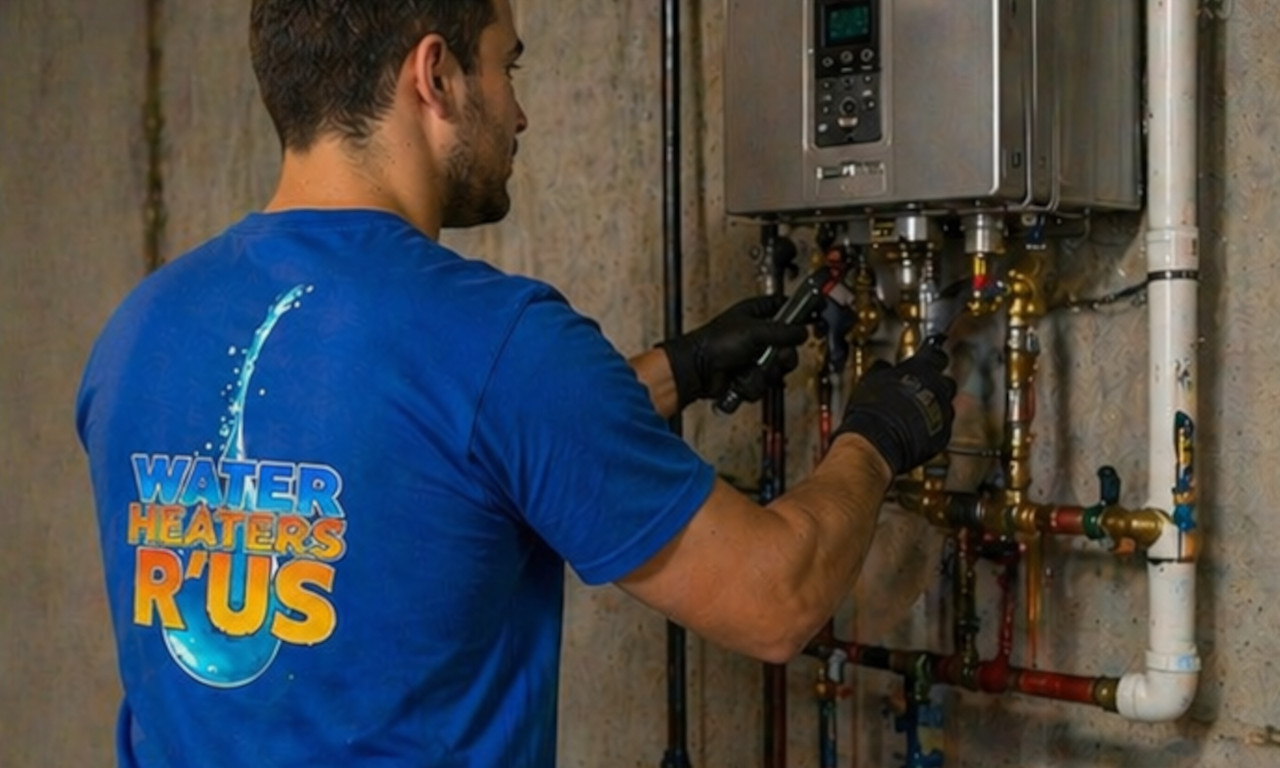
While flushing is a great DIY step, a professional annual inspection by a licensed technician ensures your water heater is operating at its best. During an annual check-up, our team at Water Heaters R Us can identify potential issues early, perform a thorough flush, check anode rods (which protect against corrosion), inspect connections, and ensure all components are in good working order. This preventative approach can save you from unexpected breakdowns and costly emergency repairs.
When to Call the Experts at Water Heaters R Us
You don't have to tackle sediment buildup alone. If you notice any of the signs mentioned above, or if you're due for routine maintenance, our certified technicians are ready to help. We serve homeowners across Hamilton, Ancaster, Dundas, Stoney Creek, Burlington, Grimsby, Waterdown, Binbrook, Oakville, Milton, Brantford, and Caledonia.
Whether you need a professional flush, are considering a new water heater installation, or want to explore the benefits of a water softener for your home, Water Heaters R Us offers reliable, expert service with a friendly, local touch. Don't let sediment quietly diminish your hot water comfort or drain your wallet.
Ready for Clearer Water & a Happier Water Heater?
Take action this spring to protect your water heater from the silent damage of sediment buildup. Regular maintenance and the right solutions can ensure your home enjoys efficient, consistent hot water for years to come.
Contact Water Heaters R Us today! Call us at 905-679-9420 or visit our website at waterheatersrus.ca to schedule a service or learn more about our water heater and water softener solutions. Your comfort is our priority!
Need a Water Heater?
Same-day installation, professional service, and flexible rent-to-own options across Hamilton and surrounding areas.
Call 905-679-9420