Sediment Buildup: The Silent Threat to Your Water Heater
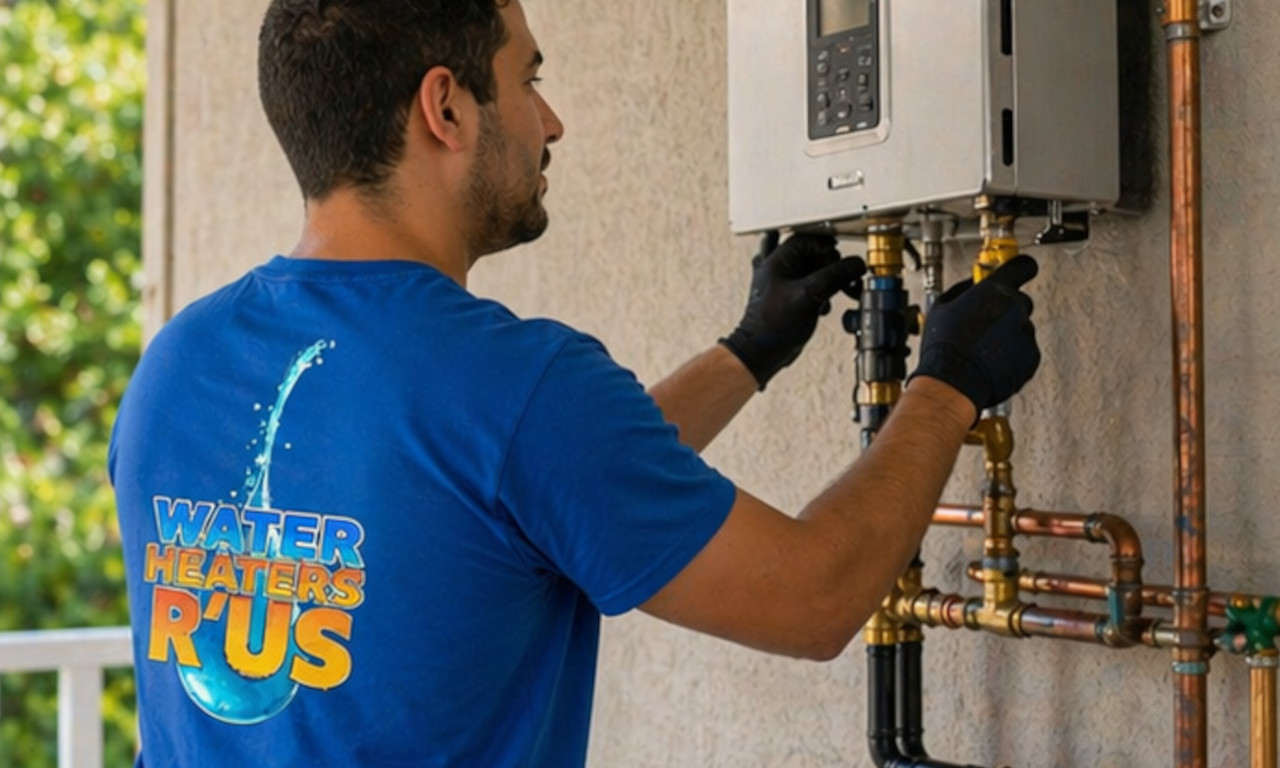
Imagine your water heater as the unsung hero of your home, silently providing the comfort of hot showers, clean dishes, and warm laundry. But what if this hero was battling a hidden enemy, slowly undermining its strength and efficiency? For many homeowners across Hamilton, Ancaster, Dundas, and beyond, that enemy is sediment buildup.
Here at Water Heaters R Us, we understand the unique challenges Ontario homeowners face. Hard water, prevalent in our region, is a primary contributor to sediment accumulating inside your water heater, leading to a host of problems that can impact your comfort and your wallet. Especially as we move through summer, ensuring your water heater is in top shape means you're prepared for everything from post-swim showers to increased laundry loads.
What Exactly is Sediment Buildup?
Sediment in your water heater is primarily composed of minerals like calcium and magnesium, which are naturally present in hard water. Over time, as water is heated, these minerals separate from the water and settle at the bottom of your water heater tank. Think of it like the mineral deposits you might see inside a kettle or coffee maker, but on a much larger scale.
Beyond these hard water minerals, sediment can also include rust particles from your home's plumbing or even the interior of the water heater tank itself, especially as the anode rod (designed to attract corrosive elements) begins to break down.
The Silent Saboteur: How Sediment Harms Your Water Heater
While often unnoticed until problems become significant, sediment buildup causes a cascade of issues for your water heater and your home:
1. Reduced Efficiency & Higher Energy Bills
The heating element (electric) or burner (gas) in your water heater is located at the bottom of the tank. When a layer of sediment accumulates, the heating components have to work harder to transfer heat through this insulating layer to the water above. This extra effort means your water heater uses more energy to heat the same amount of water, leading directly to higher utility bills. It's like trying to boil water in a pot with a thick layer of mud at the bottom – it takes much longer and more energy.
2. Loud Noises: The Rumbles and Pops
One of the most common and noticeable signs of sediment buildup is strange noises coming from your water heater. As the heating element attempts to heat the water through the sediment layer, pockets of water can get trapped beneath the sediment. When these pockets heat up and turn to steam, they can cause small explosions, leading to rumbling, popping, or banging sounds. These noises are not just annoying; they're a clear indication of inefficiency and potential damage.
3. Decreased Hot Water Supply
A thick layer of sediment takes up valuable space inside your water heater tank. This reduces the overall volume of water your tank can hold, meaning you'll run out of hot water faster. Additionally, the reduced heating efficiency means it takes longer for the tank to reheat, further exacerbating the problem. This can be particularly frustrating during peak demand times, like after a family day out exploring the Bruce Trail or enjoying a swim at Burlington Beach.
4. Accelerated Wear and Tear & Potential Leaks
The extra stress and higher operating temperatures caused by sediment buildup can take a significant toll on your water heater's components. Overheating can damage the tank lining, heating elements, and even the pressure relief valve. This accelerated wear and tear can shorten your water heater's lifespan considerably, potentially leading to costly repairs or even premature tank failure and leaks. A leaking water heater can cause significant water damage to your home, a scenario every homeowner in Oakville, Milton, or Brantford wants to avoid.
5. Rusty or Discolored Hot Water
While not exclusively caused by sediment, if the sediment includes rust particles from deteriorating plumbing or the tank's interior, you might notice discolored or rusty-looking hot water coming from your faucets. This is a clear indicator that something isn't right inside your water heating system.
The Hamilton Hard Water Connection: Prevention and Solutions
Given that much of Ontario, including our service areas like Stoney Creek, Grimsby, and Waterdown, experiences hard water, sediment buildup is a very real concern for local homeowners. Fortunately, there are proactive steps you can take:
1. Regular Water Heater Flushing
This is the most effective preventative maintenance for sediment buildup. Flushing your water heater tank periodically helps to remove accumulated minerals and debris before they become a significant problem. We'll detail how to do this below, but for many, especially those who prefer not to tackle plumbing tasks, professional flushing is a convenient and thorough option. Summer is an excellent time to get this done, as your hot water demand might be slightly lower, and it prepares your system for the colder months ahead.
2. Consider a Water Softener
If you live in an area with particularly hard water, a water softener can be a game-changer. Water softeners remove the minerals that cause hardness before the water even enters your water heater and other appliances. This not only prevents sediment buildup but also extends the life of your plumbing, reduces soap scum, and makes cleaning easier throughout your home. Water Heaters R Us offers expert advice and installation for water softeners, helping you protect your investments.
3. Professional Maintenance
Even with regular flushing, an annual professional inspection can catch potential issues early. Our skilled technicians serving Binbrook, Caledonia, and all surrounding areas can assess the condition of your water heater, check for signs of corrosion, ensure all components are functioning correctly, and recommend further steps if needed.
How to Flush Your Water Heater Tank (DIY Guide)
Flushing your water heater tank is a relatively straightforward maintenance task that most homeowners can perform. However, if you're unsure or uncomfortable, don't hesitate to call Water Heaters R Us – safety first!
- Step 1: Prepare for Safety. Turn off the power supply to your water heater. For electric heaters, flip the breaker. For gas heaters, turn the gas valve to the 'off' position. Turn off the cold water supply valve leading into your water heater.
- Step 2: Connect Drain Hose. Attach a standard garden hose to the drain valve located near the bottom of your water heater tank. Route the other end of the hose to a floor drain, utility sink, or outside to an area where hot water can drain safely without causing damage.
- Step 3: Open Hot Water Faucet. Open a hot water faucet somewhere in your home (e.g., a bathtub or sink) to break any vacuum that might form and help the tank drain more efficiently.
- Step 4: Drain the Tank. Open the drain valve on your water heater. Be cautious, as the water will be hot. Allow the tank to drain completely. You'll likely see cloudy or discolored water at first, indicating sediment being flushed out.
- Step 5: Flush with Cold Water. Once the tank is mostly empty, briefly open the cold water supply valve to the water heater for a few seconds. This will stir up any remaining sediment at the bottom and help flush it out. Repeat this step a few times until the water coming out of the hose runs clear.
- Step 6: Close & Refill. Once the water runs clear, close the drain valve on the water heater and remove the garden hose. Close the hot water faucet you opened earlier. Now, open the cold water supply valve to the water heater to allow the tank to refill completely.
- Step 7: Restart Heater. Once the tank is full (you'll hear the water stop running), turn the power or gas supply back on to your water heater. Check for any leaks around the drain valve or connections.
While this DIY guide provides the basic steps, remember that every water heater setup is slightly different. If you encounter any difficulties or prefer a professional touch, our team is always ready to assist.
When to Call the Pros at Water Heaters R Us
While regular flushing is beneficial, there are times when professional help is essential. If you notice persistent rumbling, significant drops in hot water supply despite flushing, or if your water heater is older and hasn't been maintained in years, it's time to call in the experts. Attempting complex repairs or maintenance without the right tools or knowledge can be dangerous and could void your warranty.
Our certified technicians at Water Heaters R Us have the expertise to diagnose the root cause of your water heater issues, safely and effectively flush your tank, or recommend the best long-term solutions, including new water heater installation or a water softener system tailored to your home's needs.
Don't Let Sediment Silence Your Hot Water
Sediment buildup is a common but preventable problem that can significantly impact your water heater's performance, lifespan, and your energy bills. By understanding its causes and taking proactive steps like regular flushing and considering a water softener, you can ensure your home in Hamilton, Ancaster, Dundas, Stoney Creek, Burlington, Grimsby, Waterdown, Binbrook, Oakville, Milton, Brantford, or Caledonia continues to enjoy reliable and efficient hot water.
Protect your investment and your comfort. If you have questions about sediment buildup, need professional water heater maintenance, or are considering a water softener, the trusted team at Water Heaters R Us is here to help.
Call us today at 905-679-9420 or visit waterheatersrus.ca to schedule a service!
Need a Water Heater?
Same-day installation, professional service, and flexible rent-to-own options across Hamilton and surrounding areas.
Call 905-679-9420