Sediment Buildup: The Hidden Threat to Your Hamilton Water Heater
Imagine stepping into a refreshing shower on a warm Hamilton summer morning, only to be greeted by a lukewarm trickle. Or perhaps your water heater has started to sound like a rumbling beast in the basement. These aren't just minor inconveniences; they're often clear signals that a common, yet often overlooked, problem is at play: sediment buildup.
For homeowners across Hamilton, Ancaster, Dundas, and beyond, dealing with the effects of mineral-rich water is a fact of life. While our beautiful Ontario region provides us with many advantages, hard water can be tough on appliances – especially your water heater. At Water Heaters R Us, we’ve seen firsthand how this seemingly innocuous issue can lead to significant problems, affecting your comfort, your energy bills, and the lifespan of your vital hot water system.
Let’s dive into what sediment buildup is, why it's such a concern, and what you can do to keep your hot water flowing smoothly, not just through the summer, but all year long.
What Exactly is Sediment Buildup in Your Water Heater?
To understand the problem, let's first understand its cause. The water supplied to homes in areas like Stoney Creek, Burlington, and Grimsby often contains dissolved minerals, primarily calcium and magnesium. This is what we refer to as 'hard water.' While these minerals are harmless to consume, they can be quite problematic for your plumbing system.
When water enters your water heater tank and is heated, these dissolved minerals begin to precipitate out of the water. They settle at the bottom of the tank, forming a layer of scale, silt, and sludge – this is sediment. Over time, this layer can grow thicker, becoming a significant barrier between your heating element or burner and the water it's trying to heat.
It’s not just minerals either; rust particles from older pipes, or even tiny bits of sand and dirt that make their way into your water supply, can contribute to this unwelcome accumulation. Think of it like a slow-growing stalagmite inside your water heater, silently sabotaging its performance.
Why Sediment is a Serious Problem for Your Hamilton Home
A little bit of sediment might seem harmless, but its cumulative effects can be quite damaging and costly. Here’s a breakdown of what sediment buildup does to your water heater:
- Reduced Efficiency & Higher Energy Bills: This is perhaps the most immediate and noticeable impact. Sediment at the bottom of the tank acts as an insulator. For gas water heaters, the burner has to work harder to heat the water through this insulating layer. For electric models, heating elements can become encased in scale, making them less effective. This increased effort translates directly into higher energy consumption and, consequently, higher utility bills for your home in Waterdown, Binbrook, or Oakville.
- Strange Noises: Have you heard popping, crackling, rumbling, or even banging sounds coming from your water heater? These aren't ghosts; they're often the sound of sediment. As the water at the bottom of the tank gets trapped under the sediment layer, it can overheat and turn into steam, creating small explosions as the steam bubbles escape through the sediment. This is a tell-tale sign that your tank needs attention.
- Reduced Hot Water Capacity & Recovery Rate: A thick layer of sediment takes up valuable space inside your tank, meaning there's less room for actual hot water. This results in your household running out of hot water much faster. Furthermore, because the heating process is less efficient, it takes longer for your water heater to reheat a fresh tank of water, leading to frustrating delays.
- Premature Water Heater Failure: Perhaps the most severe consequence, sediment buildup dramatically shortens the lifespan of your water heater. The constant overheating caused by the insulating layer can stress the tank lining, leading to cracks and leaks over time. Heating elements can burn out faster, and gas burners can become obstructed. What might have lasted 10-15 years could fail in half that time, leading to an expensive and inconvenient replacement.
- Damage to Heating Elements (Electric Water Heaters): Electric heating elements covered in scale can overheat and burn out quickly, requiring frequent and costly replacements.
Recognizing the Signs of Sediment Buildup
Being aware of the symptoms can help you address the issue before it escalates. Keep an eye (and ear) out for these common indicators:
- Loud Noises: As mentioned, rumbling, popping, or banging are major red flags.
- Less Hot Water: Your showers are getting shorter, or the dishwasher isn't getting enough hot water for a full cycle.
- Higher Energy Bills: An unexplained spike in your electricity or gas bill might point to an inefficient water heater.
- Cloudy or Rusty-Tinged Hot Water: While less common, sediment can sometimes dislodge and cause your hot water to appear murky or even rusty, especially when drawing from the bottom of the tank.
- Longer Heating Times: It takes an unusually long time for your hot water to recover after heavy use.
Practical Solutions: How to Combat Sediment Buildup
The good news is that sediment buildup is largely preventable and manageable. Here’s what you can do:
1. Regular Water Heater Flushing
This is the most crucial maintenance task for preventing sediment buildup. Flushing your water heater involves draining the tank to remove accumulated sediment. For many Hamilton homeowners, especially those in areas with harder water like Brantford or Caledonia, an annual flush is highly recommended. In some cases, twice a year might be beneficial.
How to Flush Your Water Heater Tank (DIY Guide)
Performing a water heater flush is a task many handy homeowners can tackle. However, if you're unsure or uncomfortable, calling a professional is always the safest bet. Here are the basic steps:
- Turn Off Power/Gas: For electric water heaters, switch off the breaker. For gas models, turn the gas control dial to 'Pilot' or 'Off' and turn off the cold water supply valve.
- Turn Off Cold Water Supply: Locate the cold water inlet valve at the top of your water heater and turn it off.
- Open a Hot Water Tap: Open a hot water faucet somewhere in your house (e.g., bathtub) to relieve pressure in the tank and prevent a vacuum from forming.
- Attach a Hose: Connect a garden hose to the drain valve located at the bottom of your water heater. Direct the other end of the hose to a floor drain or outside area where hot, possibly murky, water can safely drain.
- Open the Drain Valve: Carefully open the drain valve on the water heater. Be cautious, as the water will be hot. You'll likely see cloudy or discoloured water exiting the hose at first, indicating sediment.
- Flush Until Clear: Let the water drain until it runs clear. This might take 15-30 minutes, depending on the amount of sediment.
- (Optional) Cold Water Rinse: If your water is still murky, you can briefly open the cold water supply valve with the drain valve still open. This will stir up more sediment for a more thorough flush. Close the cold water valve again.
- Close Drain Valve & Refill: Once the water runs clear, close the drain valve completely. Remove the garden hose.
- Refill Tank: Open the cold water supply valve fully to allow the tank to refill. Keep the hot water tap open until water flows smoothly, indicating the tank is full and air has been purged.
- Restore Power/Gas: Once the tank is full, close the hot water tap. For electric models, turn the breaker back on. For gas models, relight the pilot light if necessary and turn the gas control back to your desired temperature setting.
2. Consider a Water Softener
For homes in areas with persistently hard water, like much of our service region including Milton and Brantford, a water softener is an excellent long-term solution. A water softener removes minerals like calcium and magnesium from your water *before* it enters your water heater and other appliances. This not only prevents sediment buildup but also protects your plumbing, fixtures, and even makes your soaps and detergents more effective.
At Water Heaters R Us, we don't just specialize in water heaters; we're also experts in water softening solutions tailored for Ontario homes. Investing in a water softener can save you money on energy, extend the life of your appliances, and improve your overall water quality.
3. Anode Rod Inspection and Replacement
Your water heater has a sacrificial anode rod designed to corrode before the steel tank does. Sediment can sometimes accelerate the deterioration of this rod, reducing its effectiveness. During annual maintenance, a professional can inspect and replace the anode rod if necessary, further protecting your tank from corrosion.
When to Call the Professionals at Water Heaters R Us
While flushing your water heater is a great DIY task for many, there are times when it’s best to call in the experts:
- You're Unsure or Uncomfortable: If you've never done it before, or if the process seems daunting, don't hesitate to call. Safety is paramount.
- Stubborn Sediment: If, after flushing, you still experience symptoms of sediment, it might be too compacted or extensive for a simple flush.
- Other Issues: If you hear strange noises even after a flush, or suspect a leak, a professional inspection is crucial.
- Water Softener Installation: Installing a water softener is a complex plumbing task best left to certified professionals to ensure proper sizing and installation.
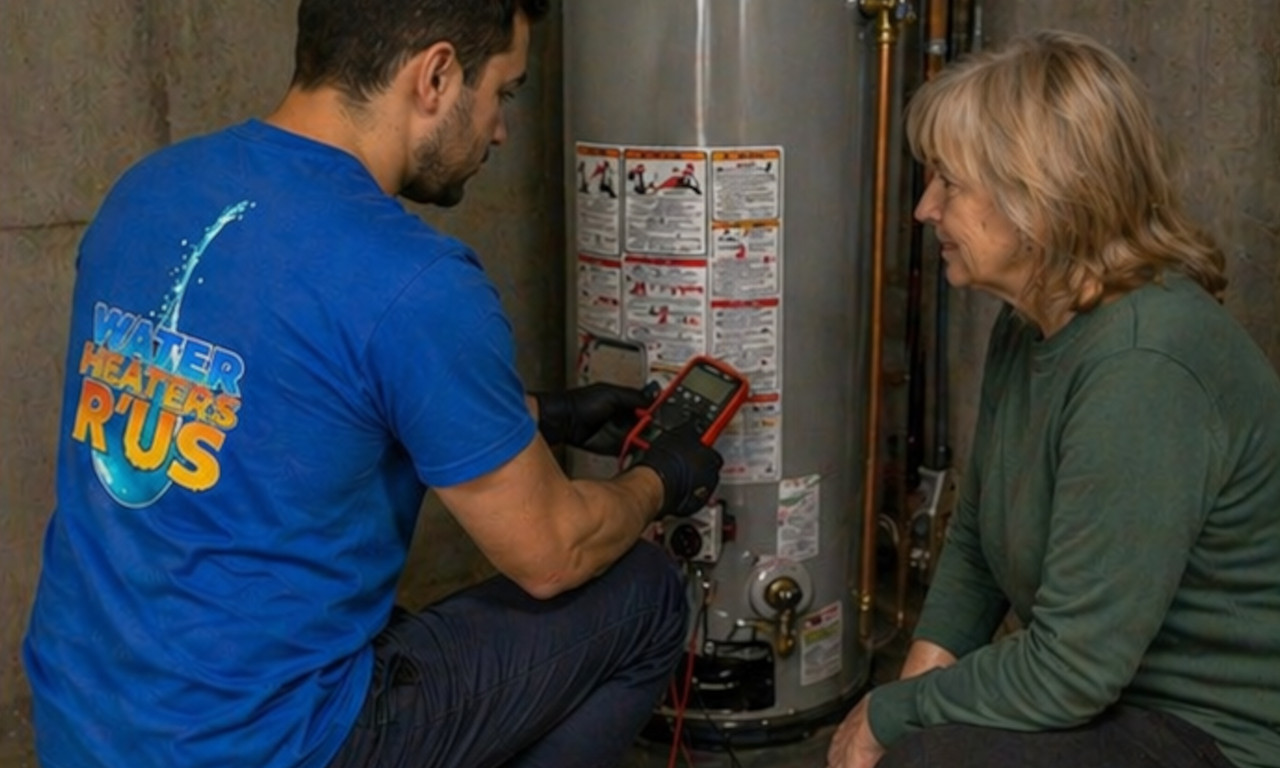
Our skilled technicians at Water Heaters R Us are ready to assist homeowners throughout Hamilton, Ancaster, Dundas, Stoney Creek, Burlington, Grimsby, Waterdown, Binbrook, Oakville, Milton, Brantford, and Caledonia. We can perform thorough water heater flushes, inspect your system for other potential issues, and provide expert advice and installation for water softening solutions that protect your investment.
Enjoy a Sediment-Free Summer and Beyond!
Summer is a fantastic time to tackle home maintenance tasks, especially those that ensure your home runs smoothly before the colder months arrive. Addressing sediment buildup now means enjoying reliable hot water for summer showers, cleaning, and preparing for the increased demands of fall and winter.
Don't let sediment quietly shorten the life of your water heater and inflate your energy bills. Proactive maintenance is key to ensuring your hot water system operates efficiently and reliably for years to come.
Ready to give your water heater the attention it deserves, or explore the benefits of a water softener? Contact the trusted experts at Water Heaters R Us today!
Call us at 905-679-9420 or visit waterheatersrus.ca to schedule your service.
Need a Water Heater?
Same-day installation, professional service, and flexible rent-to-own options across Hamilton and surrounding areas.
Call 905-679-9420