Power Vent vs. Direct Vent Water Heaters: Your Hamilton Guide
When it comes to keeping your Hamilton home supplied with hot water, your water heater is an unsung hero. But as technology evolves, so do your options, and understanding them can save you money, improve efficiency, and ensure lasting comfort. One of the most common dilemmas homeowners face when upgrading or replacing their water heater is deciding between a power vent and a direct vent system.
At Water Heaters R Us, we understand that these terms can sound technical, but we're here to explain everything in a warm, approachable way. Let's demystify these systems so you can make an informed choice for your home here in Ancaster, Burlington, Stoney Creek, or anywhere across our service area.
Why Venting Matters: A Quick Refresher
Before diving into the specifics, let's briefly touch on why venting is so critical for gas-fired water heaters. When natural gas or propane burns, it produces combustion gases, including carbon monoxide. These gases must be safely expelled from your home to prevent health hazards and ensure optimal appliance operation. Proper venting is not just about efficiency; it's about the safety of your family.
Understanding Direct Vent Water Heaters
Direct vent water heaters are ingenious in their simplicity and safety. They operate as a sealed-combustion system, meaning they draw all the air needed for combustion directly from outside your home through one pipe and then expel the exhaust gases back outside through another, often concentric, pipe. This sealed system has significant advantages.
How Direct Vent Systems Work:
- Sealed Combustion: The combustion chamber is completely sealed off from your home's indoor air.
- Dual-Pipe System: One pipe brings fresh air in from outside, and another expels exhaust gases out. These pipes typically run horizontally through an exterior wall.
- Natural Draft: They rely on the natural buoyancy of hot exhaust gases to rise and exit the home, meaning no electrical fan is required for venting.
Pros of Direct Vent Water Heaters:
- Improved Indoor Air Quality: Since they don't use your indoor air for combustion, they don't deplete oxygen from your living spaces, making them a great choice for tightly sealed, energy-efficient homes in areas like Dundas or Grimsby.
- Energy Efficiency: By not drawing conditioned indoor air for combustion, they help maintain your home's heating and cooling efficiency.
- No Electricity Required for Venting: In the event of a power outage, your direct vent water heater can continue to operate (assuming it's a gas model with a standing pilot or a millivolt generator).
- Quiet Operation: Without a blower fan, they tend to be quieter than power vent models.
Cons of Direct Vent Water Heaters:
- Limited Placement: They must be installed near an exterior wall or roof where the vent pipes can directly penetrate outside. This can restrict installation flexibility.
- Specific Venting Requirements: The vent run length is usually limited, and specific clearances must be met.
- Aesthetics: The vent termination on the exterior wall can be noticeable.
Understanding Power Vent Water Heaters
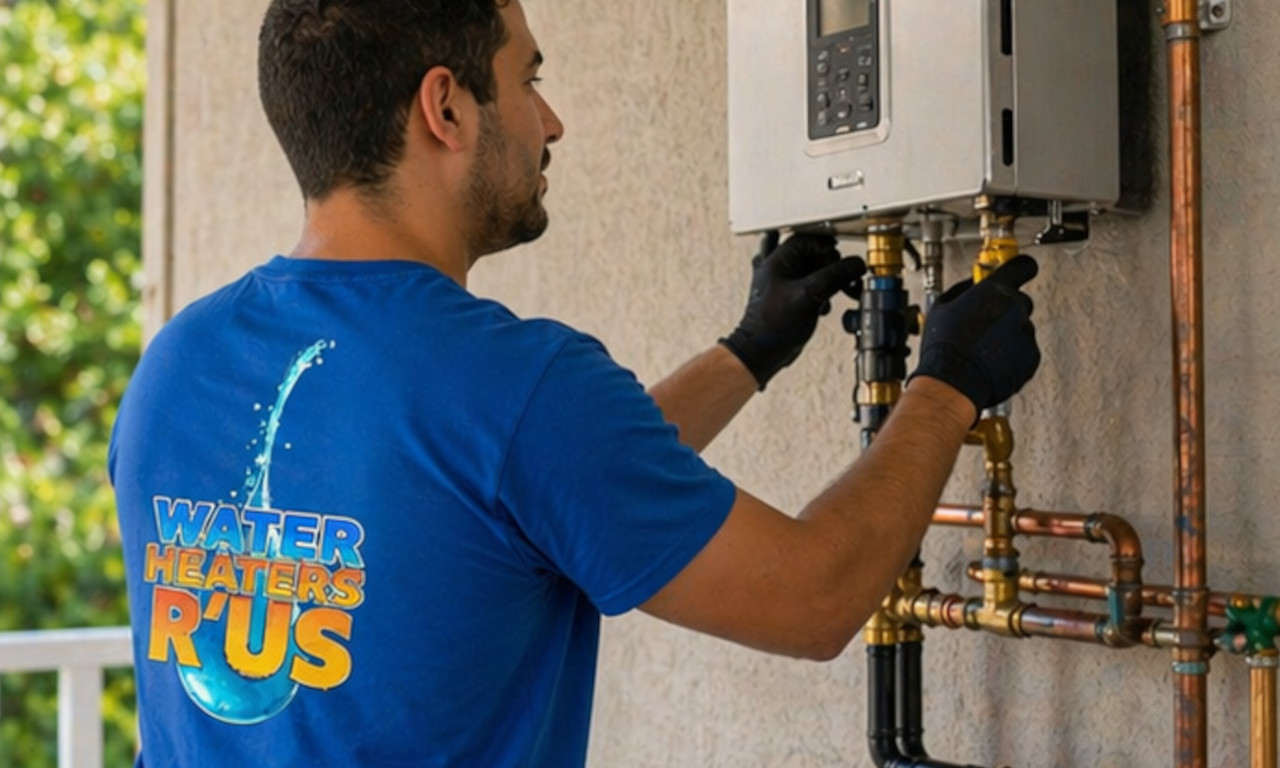
Power vent water heaters offer greater flexibility in terms of installation location. Unlike direct vent systems, they use a powered fan or blower to push exhaust gases out of your home. This fan allows for much longer and more complex vent runs, giving you more freedom where your water heater can be placed.
How Power Vent Systems Work:
- Forced Draft: An electric blower motor actively pushes combustion gases through the vent pipe.
- Indoor Air for Combustion: Most power vent models draw combustion air from inside your home, similar to older atmospheric vent models. However, some high-efficiency power vent models are also sealed-combustion, drawing air from outside.
- PVC Venting: Because the fan forces the exhaust, the gases are cooler, allowing for the use of more affordable PVC piping for venting, which is easier to route than traditional metal flues.
Pros of Power Vent Water Heaters:
- Installation Flexibility: This is their biggest advantage. The powered fan allows for long horizontal or vertical vent runs (often up to 50 feet or more), meaning your water heater can be installed almost anywhere in your home—from the basement to a utility closet—without needing to be directly next to an exterior wall. This is particularly useful for homes in Binbrook or Waterdown with challenging layouts.
- Often Higher Efficiency: Many power vent models are designed with higher energy efficiency in mind, helping you save on utility bills.
- Easier Venting: PVC piping is simpler to install and less expensive than the double-wall metal flue required for atmospheric or direct vent systems.
Cons of Power Vent Water Heaters:
- Requires Electricity: The blower fan needs electricity to operate. This means if there's a power outage, your water heater won't function.
- Noise: The fan can produce a noticeable humming or whirring sound during operation.
- Higher Initial Cost: Power vent units typically have a higher upfront purchase price than comparable direct vent or atmospheric models due to the added blower technology.
- Uses Indoor Air (for some models): If not a sealed-combustion power vent, it will draw air from your home, which can impact indoor air quality and energy efficiency slightly.
Making the Right Choice for Your Hamilton Home
So, which type is right for you? The best choice depends on several factors unique to your property in Milton, Brantford, or Caledonia:
- Home Layout & Existing Venting: Do you have an easy route to an exterior wall or roof for a direct vent? Or do you need the flexibility of a power vent to place the unit in a specific spot?
- Budget: Consider both the initial purchase price and the long-term operational costs (electricity for the fan vs. potential heat loss from drawing indoor air).
- Energy Efficiency Goals: Both types can be highly efficient, but modern power vent units often lead the pack in energy ratings.
- Noise Sensitivity: If your water heater is in a living area, the quiet operation of a direct vent might be preferable.
- Power Outage Concerns: If frequent power outages are a concern and you want hot water regardless, a direct vent gas heater (with a standing pilot) might be a better fit.
Summer: A Great Time for Water Heater Decisions!
With summer in full swing across Ontario, now is an ideal time to assess your home's comfort systems. You're not relying on your furnace as much, making it easier to schedule installations or maintenance without disrupting your primary heating. It's also a perfect opportunity to consider upgrading your water heater's efficiency before the colder months put more demand on it.
While you're thinking about efficiency, remember the role of water softeners. Hard water, common in many parts of our service area, can significantly reduce your water heater's efficiency and lifespan by causing mineral buildup. A quality water softener can protect your investment, whether it's a power vent or direct vent system, and ensure it runs optimally for years to come.
Trust Water Heaters R Us for Expert Advice
Choosing the right water heater is a significant investment in your home's comfort and efficiency. You don't have to navigate these choices alone. Our team of experienced, licensed technicians at Water Heaters R Us serves homeowners throughout Hamilton, Ancaster, Dundas, Stoney Creek, Burlington, Grimsby, Waterdown, Binbrook, Oakville, Milton, Brantford, and Caledonia.
We're here to provide personalized recommendations based on your home's specific needs, your budget, and your energy goals. We'll help you understand the pros and cons in the context of your unique situation and ensure a safe, professional installation.
Ready to Upgrade or Have Questions?
Don't let the technical jargon overwhelm you. Contact the friendly experts at Water Heaters R Us today. We're ready to help you enjoy reliable, efficient hot water all year round.
Call us at 905-679-9420 or visit us online at waterheatersrus.ca to schedule a consultation or learn more about our services!
Need a Water Heater?
Same-day installation, professional service, and flexible rent-to-own options across Hamilton and surrounding areas.
Call 905-679-9420