DIY: How to Flush Your Water Heater Tank in Hamilton
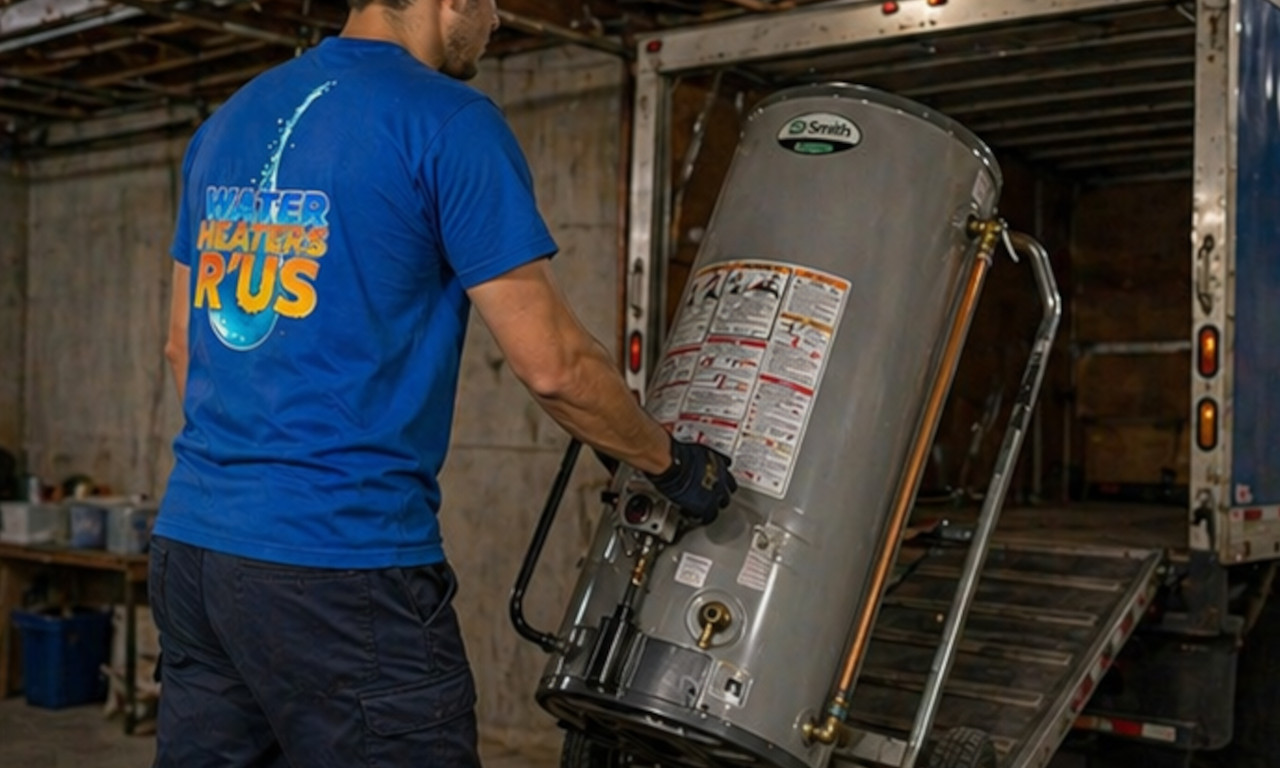
With summer in full swing, you might be thinking about backyard BBQs, trips to Lake Ontario, or simply enjoying the beautiful weather across Hamilton and its surrounding communities. But while you’re out making memories, don't forget about the unsung hero working hard in your basement or utility room: your water heater. Summer is actually an excellent time to give it a little TLC, specifically by flushing its tank. This simple maintenance task can significantly improve its efficiency, extend its lifespan, and ensure you have reliable hot water all year round.
Here in Hamilton, Ancaster, Dundas, Stoney Creek, Burlington, and beyond, hard water is a common issue. Minerals like calcium and magnesium, while harmless to drink, can wreak havoc on your plumbing system, especially your water heater. Over time, these minerals settle at the bottom of your tank, forming a layer of sediment. This sediment acts as an insulator, forcing your water heater to work harder and longer to heat water, leading to higher energy bills and premature wear and tear. That’s why flushing your water heater isn't just a suggestion; it’s a crucial part of home maintenance.
Why Flushing Your Water Heater Tank is Essential for Ontario Homes
Ignoring sediment buildup can lead to a host of problems:
- Reduced Efficiency: Sediment insulates the heating element (electric) or the burner (gas), making your unit less efficient and increasing energy consumption.
- Strange Noises: You might hear popping, rumbling, or banging sounds as water gets trapped and boils beneath the sediment layer.
- Reduced Hot Water Supply: Sediment takes up space in the tank, meaning less room for hot water.
- Premature Failure: The constant overheating caused by sediment can stress the tank and components, leading to leaks and the need for costly replacements sooner than expected.
- Poor Water Quality: Sediment can sometimes dislodge and end up in your hot water, affecting clarity and even taste.
Regular flushing removes these mineral deposits, ensuring your water heater operates smoothly and efficiently. It’s a small investment of time that pays off big in energy savings and extended appliance life.
Before You Begin: Safety First!
Before you grab your tools, remember that safety is paramount. You'll be working with water, electricity or natural gas, and potentially hot water. If at any point you feel uncomfortable or unsure, it's always best to contact a professional. Water Heaters R Us serves all of Hamilton, Ancaster, Dundas, Stoney Creek, Burlington, Grimsby, Waterdown, Binbrook, Oakville, Milton, Brantford, and Caledonia, and our certified technicians are always ready to help!
Tools You'll Need:
- Garden hose
- Bucket (optional, for initial draining)
- Adjustable wrench (if needed for the drain valve)
- Work gloves
- Safety glasses (recommended)
Step-by-Step Guide: How to Flush Your Water Heater Tank
Step 1: Turn Off Power/Gas Supply
This is critical for safety. For electric water heaters, locate the breaker in your electrical panel and switch it off. For gas water heaters, turn the gas valve to the "OFF" position. This prevents the heating element or burner from activating while the tank is empty, which could cause serious damage.
Step 2: Turn Off the Cold Water Supply
Locate the cold water inlet valve at the top of your water heater (usually on the right side if you're facing the tank). Turn the handle clockwise until it's completely closed. This stops new cold water from entering the tank during the flushing process.
Step 3: Open a Hot Water Faucet
Go to a nearby sink or bathtub and open a hot water faucet. Let it run until the water stops flowing. This releases pressure from the hot water lines and allows air into the tank, preventing a vacuum as the water drains.
Step 4: Connect Your Garden Hose
Locate the drain valve at the bottom of your water heater tank. It typically looks like a spigot. Connect one end of your garden hose to this drain valve. Run the other end of the hose to a safe drainage point, such as a floor drain, utility sink, or outside away from foundations and plants. Ensure the hose is lying flat to allow for proper drainage.
Step 5: Open the Drain Valve
With the hose securely in place, slowly open the drain valve. You might need an adjustable wrench to turn it if it's stiff. Be careful, as the initial water coming out can be very hot. You'll likely see cloudy, discoloured water at first – that's the sediment! Let the water drain completely until it runs clear. This can take 15-30 minutes, depending on the size of your tank and the amount of sediment.
Step 6: Flush with Cold Water (Briefly)
Once the water runs clear and the tank is nearly empty, close the drain valve. Then, briefly turn on the cold water supply valve to allow cold water to rush into the tank for about 30 seconds. This will stir up any remaining sediment that might be clinging to the bottom. Immediately turn off the cold water supply again, and then reopen the drain valve to flush out the agitated sediment. Repeat this process a few times until the water coming out of the hose is consistently clear.
Step 7: Close the Drain Valve and Disconnect Hose
Once you're satisfied that the water is clear, close the drain valve completely and disconnect your garden hose. Ensure the valve is fully closed to prevent leaks.
Step 8: Refill the Tank
Close any open hot water faucets in your home. Slowly open the cold water supply valve to your water heater. You'll hear the tank begin to refill. Allow it to fill completely. This usually takes 20-30 minutes. You'll know it's full when water starts flowing from the open hot water faucet (from Step 3 – if you closed it, open it now) again, indicating all air has been purged.
Step 9: Bleed Air from Hot Water Taps
Once the tank is full, go around your home and open each hot water faucet (starting with the highest ones) until all air is purged from the lines and water flows smoothly. This prevents sputtering and ensures consistent hot water delivery.
Step 10: Restore Power/Gas Supply
Once the tank is full and all air is bled, you can safely restore power to your electric water heater at the breaker or turn the gas valve back to the "ON" position for a gas unit. Allow some time for the water to heat up before use.
Step 11: Check for Leaks
After restoring power/gas, carefully inspect the drain valve and cold water inlet for any drips or leaks. If you notice any, gently tighten the connections. If a leak persists, turn off the water supply and contact a professional.
How Often Should You Flush Your Water Heater?
For most homes in our service area, we recommend flushing your water heater tank at least once a year. If you have particularly hard water (which is common across communities like Grimsby, Waterdown, and Binbrook) or an older unit, you might consider doing it every six months. Pairing this with a water softener installation can significantly reduce sediment buildup and extend the life of your water heater even further. Water Heaters R Us offers a range of water softener solutions tailored to your home’s needs.
When to Call the Pros at Water Heaters R Us
While flushing your water heater is a manageable DIY task, there are times when it's best to call in the experts. If you encounter any of the following, don't hesitate to reach out to Water Heaters R Us:
- You're uncomfortable performing the task yourself.
- The drain valve is stuck, broken, or leaking.
- You're not getting hot water after refilling the tank.
- You notice significant leaks or other plumbing issues.
- You have a tankless water heater, which requires a different flushing procedure.
- You’re considering an upgrade or need a professional assessment of your current system.
Regular maintenance, like flushing, is key to a long-lasting and efficient water heater. By following these steps, you’ll enjoy consistent hot water and lower energy bills, making your home more comfortable year-round. Don't let sediment get the best of your hot water supply!
For all your water heater and water softener needs in Hamilton, Ancaster, Dundas, Stoney Creek, Burlington, Grimsby, Waterdown, Binbrook, Oakville, Milton, Brantford, and Caledonia, trust the experts at Water Heaters R Us. We're here to help you maintain a comfortable and efficient home.
Ready to ensure your water heater is in top shape? Call us today at 905-679-9420 or visit waterheatersrus.ca to schedule a service!
Need a Water Heater?
Same-day installation, professional service, and flexible rent-to-own options across Hamilton and surrounding areas.
Call 905-679-9420