Flush Your Water Heater: Hamilton Homeowner's Step-by-Step Guide
As the crisp air of autumn settles over Hamilton and surrounding communities like Ancaster, Burlington, and Stoney Creek, our thoughts naturally turn to the warmth and comfort of our homes. And what's more comforting than a reliable supply of hot water for those long, relaxing showers or efficient dishwashing?
However, many Ontario homeowners might be unknowingly neglecting a vital piece of their home comfort system: the water heater. Over time, sediment can build up in your water heater tank, drastically reducing its efficiency and lifespan. The good news? Flushing your water heater tank is a relatively straightforward maintenance task you can do yourself, and fall is the perfect time to get it done before winter's chill truly sets in.
Why Flushing Your Water Heater Tank is Essential for Ontario Homes
Ontario's water, particularly in areas around Hamilton, often contains minerals like calcium and magnesium, leading to what we commonly refer to as 'hard water.' While a water softener can significantly mitigate these issues, even with softened water, some sediment can still accumulate at the bottom of your water heater tank.
- Boost Energy Efficiency: Sediment acts as an insulator, forcing your water heater to work harder and longer to heat the water. This means higher energy bills for you. Flushing removes this insulating layer, allowing your unit to heat water more efficiently.
- Extend Lifespan: That sediment isn't just a nuisance; it can corrode the tank from the inside out, leading to costly leaks and premature unit failure. Regular flushing can add years to your water heater's life.
- Prevent Noisy Operation: Ever hear rumbling or popping sounds coming from your water heater? That's often steam bubbles escaping from under a layer of sediment. Flushing helps quiet things down.
- Maintain Hot Water Supply: Sediment can sometimes clog hot water lines or reduce the effective volume of hot water available. A clean tank means consistent hot water for your family.
Considering the investment in your water heater, a simple annual flush is a small effort with significant returns.
When to Flush Your Water Heater
For most homeowners in Hamilton and the Golden Horseshoe region, flushing your water heater once a year is a good rule of thumb. If you have particularly hard water or don't have a water softener, you might consider doing it every six months. Fall is an ideal time to perform this maintenance, ensuring your water heater is in peak condition to handle the increased demand of colder months.
What You'll Need Before You Start
Before you begin, gather these simple tools:
- Garden hose (long enough to reach a drain or outdoor area)
- Bucket
- Gloves (optional, but recommended)
- Flathead screwdriver (if your drain valve requires it)
- Patience (it's not difficult, but it takes a little time!)
Safety First: Always prioritize safety. Working with water and electricity or gas requires caution. If you are unsure at any point, it's always best to call a professional.
How to Flush Your Water Heater Tank Step-by-Step
Here’s a detailed guide to flushing your water heater, ensuring you have reliable hot water all season long.
Step 1: Turn Off the Power/Gas Supply
This is crucial for your safety and to prevent damage to the heating elements. For electric water heaters, locate the circuit breaker panel and switch off the breaker labeled for your water heater. For gas water heaters, turn the gas control knob to the "OFF" or "PILOT" setting.
Step 2: Shut Off the Cold Water Supply
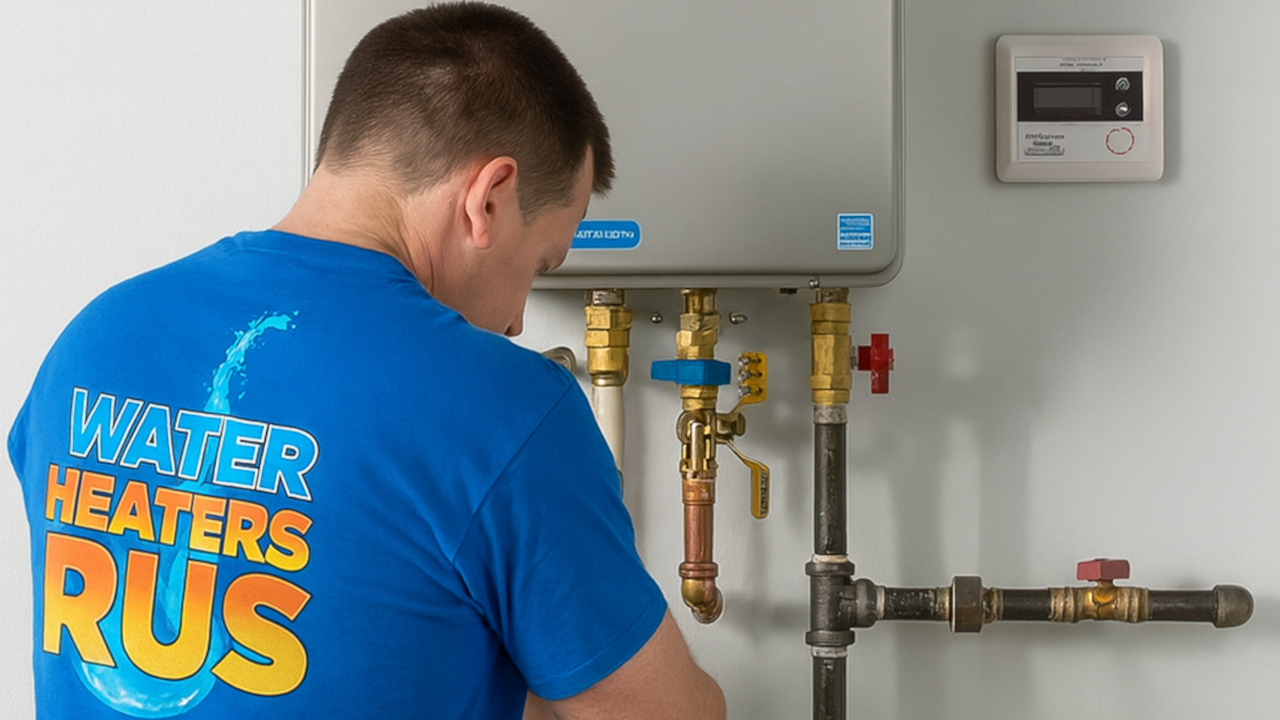
Locate the cold water inlet valve at the top of your water heater (usually on the right side, with a blue handle). Turn it clockwise until it's completely closed. This stops new cold water from entering the tank while you're draining it.
Step 3: Open a Hot Water Faucet
Go to any hot water faucet in your home (e.g., in a sink or bathtub) and turn it on to the hot setting. This helps to break the vacuum inside the tank, allowing it to drain more easily. Leave it open throughout the flushing process.
Step 4: Connect the Garden Hose
Locate the drain valve at the bottom of your water heater tank. It typically looks like a spigot. Connect one end of your garden hose to this drain valve. Direct the other end of the hose to a floor drain, a large bucket, or outside to an area where hot water won't cause damage to plants or pavement. Be aware that the water will be hot.
Step 5: Open the Drain Valve
Carefully open the drain valve on the water heater. If it's a lever, turn it. If it's a spigot, use a flathead screwdriver or simply turn the handle. You'll start to see water, potentially murky and full of sediment, flowing out through the hose. Allow the tank to drain completely.
Step 6: Flush Until Clear
Once the tank is mostly empty, you can briefly open the cold water supply valve (the one you closed in Step 2) for a few minutes. This will stir up any remaining sediment and help flush it out. Watch the water coming out of the hose; once it runs clear, you know most of the sediment has been removed. Close the cold water supply valve again before moving on.
Step 7: Close the Drain Valve & Disconnect Hose
Once the water runs clear and you've flushed sufficiently, close the drain valve on the water heater tightly. Disconnect the garden hose.
Step 8: Refill the Tank
Before restoring power or gas, it's essential to refill the tank with water. Close the hot water faucet you left open in Step 3. Now, slowly open the cold water supply valve at the top of your water heater. You'll hear the tank filling up. Once water starts flowing steadily from a hot water faucet inside your home, the tank is full and air has been purged. Turn off the indoor faucet.
Step 9: Restore Power/Gas
Finally, return to your circuit breaker panel and switch the water heater breaker back on, or turn your gas control knob back to the "ON" position. Your water heater will now begin reheating the fresh water.
After the Flush: What to Expect
It might take an hour or two for your water heater to fully reheat the new tank of water. You might notice a slight change in water pressure initially as air works its way out of the system, but this should quickly normalize. Enjoy cleaner, more efficient hot water!
When to Call the Pros at Water Heaters R Us
While flushing your water heater is a DIY-friendly task, there are times when it’s best to call in the experts. If your water heater is old, if the drain valve is stuck or leaking, or if you have a gas water heater and are uncomfortable working with gas lines, don't hesitate to seek professional help. The team at Water Heaters R Us specializes in water heater maintenance, repairs, and installations throughout Hamilton, Ancaster, Dundas, Stoney Creek, Burlington, Grimsby, Waterdown, Binbrook, Oakville, Milton, Brantford, and Caledonia.
We're also experts in water softeners, which are an excellent long-term solution for combating the hard water issues prevalent in our region. Installing a quality water softener can significantly reduce sediment buildup in your water heater, making your annual flushing even easier and less frequent.
Conclusion
Taking a little time this fall to flush your water heater tank is a smart move for any homeowner in the Hamilton area. It’s an effective way to protect your investment, save on energy costs, and ensure a reliable supply of hot water for the colder months ahead. Regular maintenance keeps your system running smoothly and efficiently.
If you have questions, run into trouble, or would prefer a professional to handle your water heater maintenance or water softener needs, don't hesitate to reach out to Water Heaters R Us. We're your trusted local experts for all things hot water!
Ready for efficient hot water? Call us today at 905-679-9420 or visit our website at waterheatersrus.ca to schedule a service!
Need a Water Heater?
Same-day installation, professional service, and flexible rent-to-own options across Hamilton and surrounding areas.
Call 905-679-9420