Descale Your Tankless Water Heater: Hamilton Homeowner's Guide
As the vibrant colours of autumn sweep across Hamilton and the surrounding regions, many of us turn our thoughts to preparing our homes for the cooler months ahead. While you might be raking leaves and checking your furnace, there's another crucial appliance that deserves your attention: your tankless water heater. For homeowners in areas like Hamilton, Ancaster, Dundas, Stoney Creek, Burlington, Grimsby, Waterdown, Binbrook, Oakville, Milton, Brantford, and Caledonia, dealing with hard water is a common reality. This means that descaling your tankless water heater isn't just a good idea—it's essential maintenance that can save you money and ensure a consistent supply of hot water.
Tankless water heaters are fantastic for their energy efficiency and endless hot water supply, but they are particularly susceptible to mineral buildup from hard water. Over time, calcium and magnesium deposits (scale) can accumulate within the heat exchanger, drastically reducing your unit's efficiency and lifespan. This fall, let's make sure your tankless system is ready to deliver warmth without a hitch. Water Heaters R Us is here to guide you through the process, whether you're a seasoned DIYer or prefer to call in the professionals.
Why Descaling Your Tankless Water Heater is Crucial
Imagine tiny roadblocks forming inside your water heater's pipes. That's essentially what mineral scale does. When hard water flows through your tankless unit and is heated, the dissolved minerals solidify and cling to the heat exchanger surfaces. This buildup leads to several problems:
- Reduced Efficiency: The scale acts as an insulator, making it harder for your heater to transfer heat to the water. This forces your unit to work harder, consuming more energy and driving up your utility bills.
- Inconsistent Hot Water: Scale can restrict water flow, leading to fluctuations in water temperature or even a complete lack of hot water.
- Shortened Lifespan: Overworking components and uneven heating can cause premature wear and tear on your expensive appliance, potentially leading to costly repairs or early replacement.
- Warranty Void: Many manufacturers require regular descaling to keep your warranty valid. Neglecting this maintenance could leave you on the hook for repairs that would otherwise be covered.
Regular descaling ensures your tankless water heater operates at peak performance, providing you with efficient, on-demand hot water for years to come. It’s an investment in your home’s comfort and your wallet.
When Should You Descale Your Tankless Unit?
For most homes in the Hamilton and Greater Toronto Area, an annual descaling is recommended. If your home has particularly hard water, or if you don't have a water softener installed, you might consider descaling every six to nine months. A good indicator that it's time for a flush is when you notice reduced hot water flow, odd noises coming from the unit, or if your energy bills seem higher than usual without an obvious cause.
Fall is an excellent time to tackle this task. As temperatures drop, your hot water heater will be working harder. Performing maintenance now ensures it's ready for the increased demand of colder weather, providing reliable hot showers and clean dishes throughout the winter.
DIY Descaling vs. Professional Service
Descaling a tankless water heater is a task that many handy homeowners can perform themselves. However, it does involve working with water, electricity/gas, and plumbing, so it's crucial to follow safety precautions and manufacturer instructions precisely. If you're not comfortable with plumbing tasks or if your unit is difficult to access, calling a professional is always the safest and most reliable option.
For complex installations or if you prefer peace of mind, the certified technicians at Water Heaters R Us are always ready to help. We have the specialized tools and expertise to ensure your tankless unit is descaled thoroughly and safely, keeping your home in Hamilton, Burlington, Oakville, and beyond running smoothly.
What You'll Need for DIY Descaling:
- A descaling kit (often available where tankless heaters are sold, or a submersible pump, two hoses, and a 5-gallon bucket).
- Manufacturer-approved descaling solution (usually a non-toxic, biodegradable acid).
- A pair of pliers or a wrench.
- Towels or rags for spills.
- Safety goggles and gloves.
Step-by-Step Guide to Descaling Your Tankless Water Heater
Step 1: Prepare Your Workspace and Gather Supplies
Ensure you have all the necessary tools and the descaling solution ready. Read your tankless water heater's owner's manual for any specific instructions or warnings related to your model.
Step 2: Shut Off Power and Water Supply
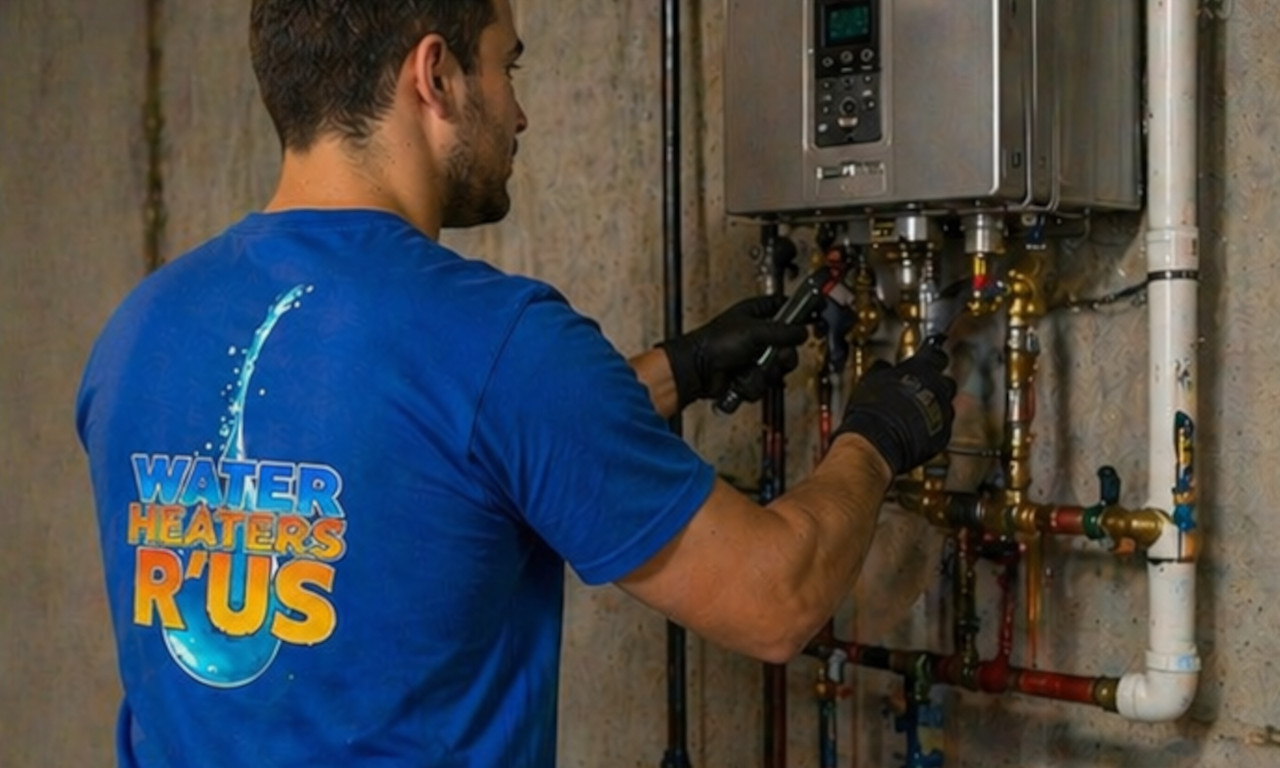
Locate your tankless water heater. For electric units, turn off the breaker at your electrical panel. For gas units, turn off the gas supply valve. Then, close the main cold water inlet valve and the hot water outlet valve on your tankless unit. These are usually clearly marked and part of the isolation valve kit.
Step 3: Connect Hoses to Isolation Valves
Find the purge/flush ports on the isolation valves (usually capped or with small levers). Open these ports. Connect one hose from the cold water inlet valve's purge port to a submersible pump placed inside your 5-gallon bucket. Connect the second hose from the hot water outlet valve's purge port, leading it directly into the bucket. Ensure all connections are secure to prevent leaks.
Step 4: Circulate the Descaling Solution
Pour the manufacturer-approved descaling solution into the 5-gallon bucket. Submerge the pump in the solution. Turn on the pump to begin circulating the descaling solution through your tankless water heater's heat exchanger. Allow the solution to circulate for at least 45 minutes to an hour, or as recommended by the descaling solution or heater manufacturer. You might see some discoloured water initially as the scale breaks down.
Step 5: Flush with Fresh Water
After the descaling cycle is complete, turn off the pump. Remove the hose from the cold water inlet's purge port and drain any remaining solution from the unit into the bucket. Close the purge ports on the isolation valves. Reconnect the cold water inlet's purge port to a garden hose or a clean bucket for flushing. Slowly open the cold water inlet valve to flush fresh water through the unit until the water runs clear, indicating all descaling solution has been removed. Then close the cold water inlet valve.
Step 6: Restore Power and Water Supply
Once flushed, disconnect all hoses. Ensure all purge ports are closed and caps are re-secured. Slowly open the hot water outlet valve, then the cold water inlet valve. Check for any leaks around the connections. Finally, turn the power (or gas) supply back on to your tankless water heater. Allow the unit to cycle and confirm hot water is flowing normally.
Preventative Measures: The Role of Water Softeners
While regular descaling is vital, the best defence against hard water buildup is prevention. Installing a high-quality water softener dramatically reduces the mineral content in your home's water supply, virtually eliminating scale buildup in your tankless water heater, as well as in your pipes, fixtures, and other appliances. This not only extends the life of your plumbing and appliances but can also improve the effectiveness of soaps and detergents.
At Water Heaters R Us, we specialize in comprehensive water solutions for homes across our service area, from Brantford to Oakville. Our experts can assess your home's water quality and recommend the ideal water softener system to protect your investment and enhance your daily life.
Choose Local Expertise for Your Water Heater Needs
Whether you're tackling descaling yourself or opting for professional service, ensuring your tankless water heater is well-maintained is key to its longevity and efficiency. As your trusted local experts for water heaters and water softeners in Hamilton and the surrounding regions, we're committed to providing top-notch service and advice.
Don't let hard water compromise your comfort this fall. For professional tankless water heater descaling, water softener installation, or any other plumbing and water heater needs, turn to the team at Water Heaters R Us. We’re proud to serve homeowners across Hamilton, Ancaster, Dundas, Stoney Creek, Burlington, Grimsby, Waterdown, Binbrook, Oakville, Milton, Brantford, and Caledonia.
Ready to give your tankless water heater the care it deserves? Call Water Heaters R Us today at 905-679-9420 or visit us online at waterheatersrus.ca to schedule your service!
Need a Water Heater?
Same-day installation, professional service, and flexible rent-to-own options across Hamilton and surrounding areas.
Call 905-679-9420